Rotator Cuff Surgery in NJ
Page Navigation
Page Navigation
Rotator Cuff Repair in New Jersey
If shoulder pain or weakness is making it hard to lift your arm, reach overhead, sleep comfortably, or do simple daily tasks, rotator cuff surgery may be right for you. Rotator cuff surgery is performed to treat a torn rotator cuff tendon that causes shoulder pain, weakness, and limited movement. The goal of surgery is to restore shoulder function, relieve discomfort, and help you return to daily activities more comfortably. Most rotator cuff surgeries are performed arthroscopically, using small incisions and a tiny camera called an arthroscope to guide the procedure.
During surgery, our shoulder surgeons in New Jersey make several small incisions around the shoulder, use the arthroscope to clearly view the injury, and reattach the torn tendon to the upper arm bone using sutures and anchors. This minimally invasive approach helps protect surrounding tissues, often leading to less postoperative pain and a quicker recovery than with open surgery.
Rotator Cuff Surgery Benefits
Rotator cuff surgery can help if shoulder pain or weakness is getting in the way of your everyday life. By repairing the torn tendon, the procedure allows your shoulder to feel stronger and improves mobility in the shoulder joint. Many of our patients notice significant pain relief after surgery, and less pain when moving their arm. Rotator cuff surgery can also help protect the shoulder from further damage, such as arthritis or worsening tears.
Benefits of Rotator Cuff Surgery
- Improved shoulder strength and stability
- Reduced or eliminated chronic shoulder pain
- Better range of motion for everyday movements
- Lower risk of further shoulder damage
- Ability to return to daily activities, work, and sports with greater comfort
Rotator Cuff Surgery Candidates
You might be a candidate for rotator cuff surgery if shoulder pain or weakness has started to take over your day-to-day life. If simple things like lifting your arm, reaching overhead, or sleeping comfortably haven’t felt the same, and physical therapy, rest, or injections haven’t helped, surgery may be worth considering. Rotator cuff surgery is often recommended for larger tears or injuries caused by a fall or sudden movement, especially when symptoms linger for months and affect your work, sleep, or activities you enjoy.
Candidates for Rotator Cuff Surgery
- Ongoing shoulder pain that hasn’t improved with nonsurgical treatment
- Weakness or stiffness that makes daily tasks harder
- A large or complete rotator cuff tear is seen on imaging
- Loss of shoulder function or stability from tendon damage
Custom Orthopedic Treatment Made for You, with You
Choose Alliance Orthopedics for care that revolves around you. We listen, collaborate, and create a custom orthopedic treatment plan that fits your life, your goals, and your recovery!
Preparing for Rotator Cuff Surgery
Getting ready for rotator cuff surgery can help the process feel less stressful and set you up for a good recovery. Before surgery, you’ll meet with your shoulder surgeon to review your health history, talk through anesthesia, and understand what to expect. Taking a little time to prepare at home, like arranging help and setting up a comfortable recovery space, can make the days after surgery much easier. Following your surgeon’s instructions before and after the procedure helps everything go as smoothly as possible.
Patient Preparation Checklist
- Pausing blood-thinning medications if your doctor advises
- Reviewing all medications and supplements with your care team
- Completing any pre-surgery testing or imaging
- Following fasting and medication instructions exactly as directed
- Planning a ride home and arranging help for the first few days
- Setting up a recovery area with essentials within easy reach
- Preparing simple meals ahead of time
- Choosing loose, front-opening clothing for surgery day
- Asking questions so you feel informed and confident going into surgery
How is Rotator Cuff Surgery Performed?
Rotator cuff surgery is most often performed arthroscopically, which means your shoulder surgeon uses small incisions and specialized tools to repair the tendon with minimal disruption to surrounding tissue. During the procedure, a small camera called an arthroscope is inserted into the shoulder, allowing your surgeon to see the tear on a monitor clearly. Damaged tissue is carefully cleaned, and the bone is prepared so the tendon can heal properly once it’s reattached.
Next, small suture anchors are placed into the upper arm bone. These anchors hold strong sutures that are passed through the torn tendon and tied securely, reattaching it to the bone. Depending on the size and severity of the tear, multiple anchors may be used to provide added stability. At Alliance Orthopedics, we use a minimally invasive approach that helps reduce postoperative pain, limits scarring, and has less complications.
Rotator Cuff Surgery Recovery
Recovery from rotator cuff surgery is a gradual process that typically takes several months. Initially, your arm will be immobilized in a sling for 4 to 6 weeks to protect the repair. Physical therapy usually begins with gentle, passive exercises, progressing to active movement and strengthening exercises over time. Most patients regain significant shoulder function within 4 to 6 months, but complete recovery, especially for larger tears, may take 9 to 12 months. Following your surgeon’s instructions and committing to physical therapy are essential for a successful outcome and return to daily activities.
What to Expect After Rotator Cuff Surgery
Rotator cuff surgery is meant to help you get back to using your shoulder without constant pain or hesitation. As healing progresses, many people find they can lift their arm overhead again, reach into cabinets, get dressed, and sleep on their side with far less discomfort. Activities that once caused sharp pain, such as carrying groceries, driving, or reaching behind your back, often become easier and more comfortable. With time and physical therapy, strength and stability improve, allowing many patients to return to work, exercise, and hobbies with a shoulder that feels more reliable and less limiting in everyday life.
Rotator Cuff Surgery FAQs
Rotator cuff repair typically takes about 1 to 2 hours. Still, the exact time depends on the size of the tear, how many tendons are involved, and whether the surgeon needs to address other issues, such as bone spurs or biceps tendon problems, at the same time. Arthroscopic procedures (done through small incisions with a camera) are often quicker than open surgeries. However, much of your “day of surgery” is spent on preparation, anesthesia, and recovery room time rather than the repair itself.
You may need surgery if shoulder pain or weakness hasn’t improved with physical therapy, rest, or injections. Surgery is often recommended for larger tears, injuries caused by a fall or sudden movement, or when symptoms continue to affect daily life and sleep.
Recovery after rotator cuff surgery is a marathon, not a sprint. Many people can manage light daily activities like typing, eating, and gentle self‑care within a few weeks, especially if the surgery was on the non‑dominant arm. Heavier tasks like lifting, reaching overhead, yard work, or manual labor take longer. For small to medium tears, it often takes about 3 to 6 months to regain good functional strength, while large or massive tears can require 6 to 12 months for full healing and conditioning. Return to sports, especially overhead sports like tennis or throwing, is usually toward the later end of that range. Staying consistent with therapy and avoiding “overdoing it” early are the biggest factors in getting back to normal safely.
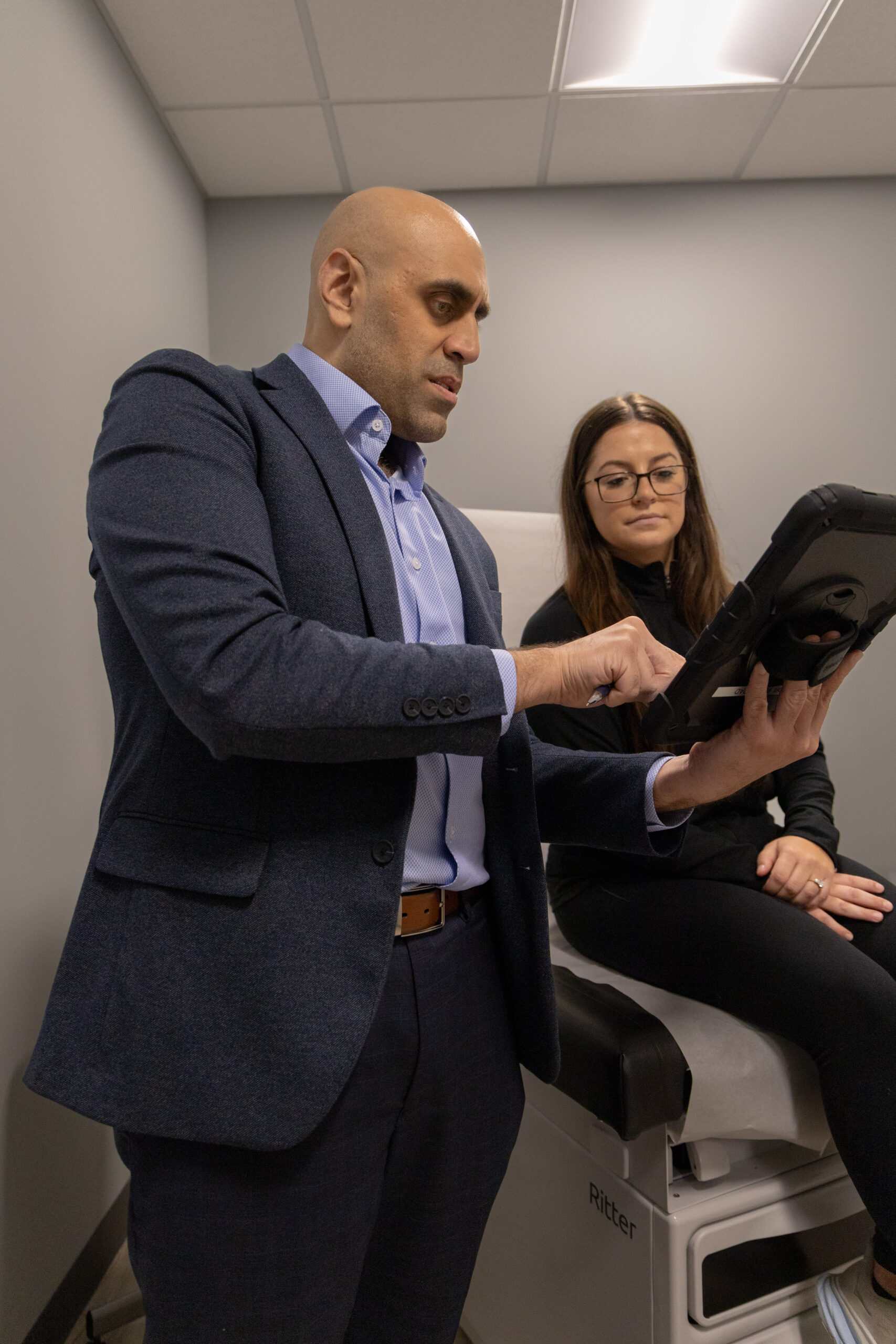
Some small tears can be managed without surgery, but larger or worsening tears may lead to ongoing pain, weakness, and reduced shoulder function. Over time, an untreated tear can become harder to repair and may limit your treatment options. Getting an appointment early helps you understand what’s happening and choose the right path forward.
Why Choose Alliance Orthopedics?
When you choose Alliance Orthopedics for rotator cuff surgery, you’re choosing care that’s focused on helping you move comfortably again, not just fixing an injury. You’ll work with our experienced shoulder surgeons in New Jersey who treat rotator cuff tears every day and take the time to understand how shoulder pain is affecting your life. From your first visit, you’ll get clear explanations, honest recommendations, and a treatment plan built around your goals. ,
Shoulder Surgeons in New Jersey
When shoulder pain starts getting in the way of your daily life, having the right surgeon matters. At Alliance Orthopedics, you’ll work with experienced shoulder specialists who build a treatment plan around your needs, goals, and activity level. With a collaborative team supporting you from diagnosis through recovery, the focus is always on helping you get better every day and return to the activities you enjoy with confidence.
Orthopedic Clinics in New Jersey
With locations across New Jersey, Alliance Orthopedics makes it easier for you to get the care you need without extra hassle. Each of our orthopedic clinics is designed to be welcoming and comfortable so that you can focus on your recovery, not logistics. From your first appointment to follow-up visits and physical therapy, you’ll receive coordinated care in one place.