Sciatica Treatment in New Jersey
Page Navigation
Page Navigation
What is Sciatica?
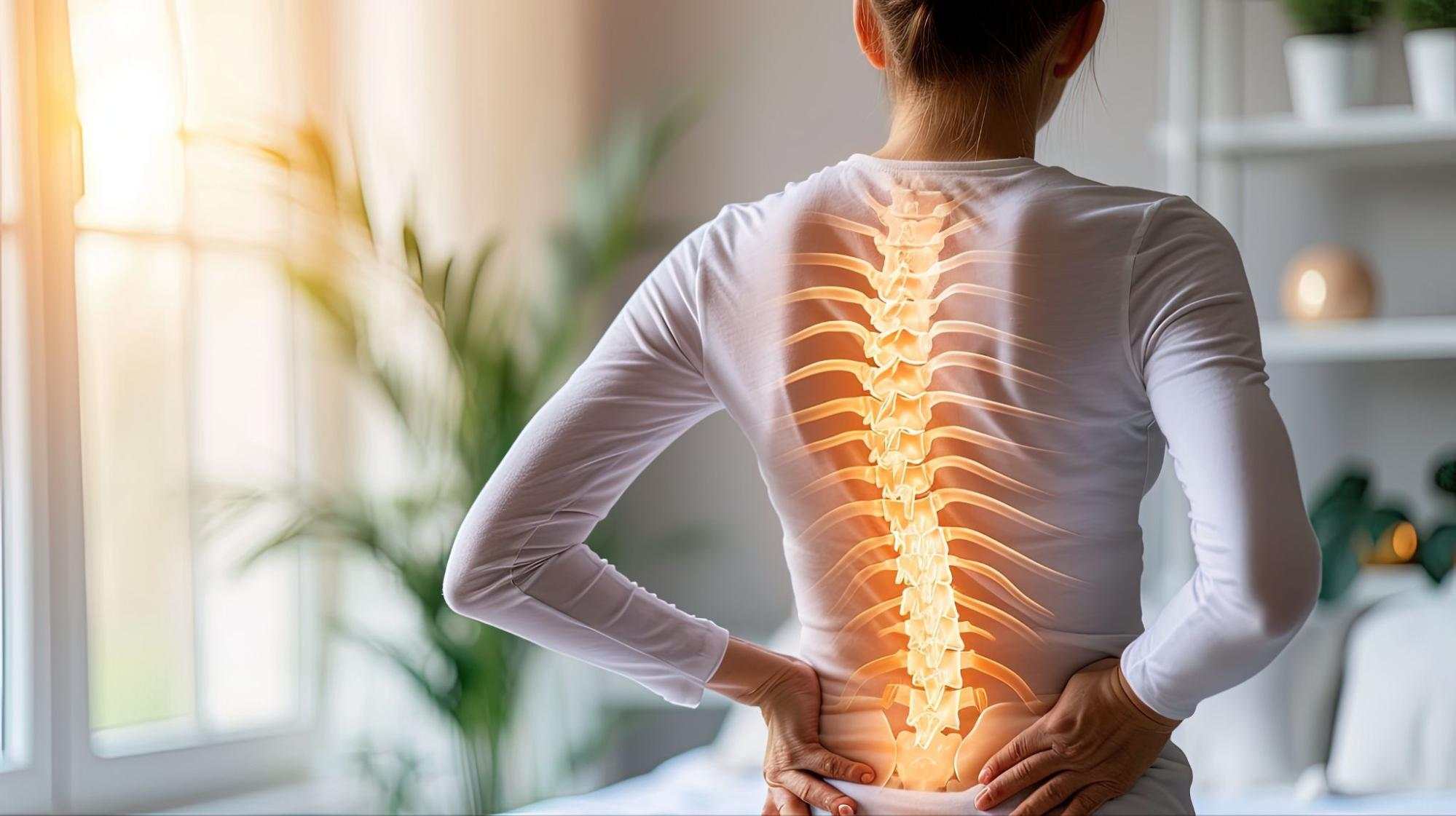
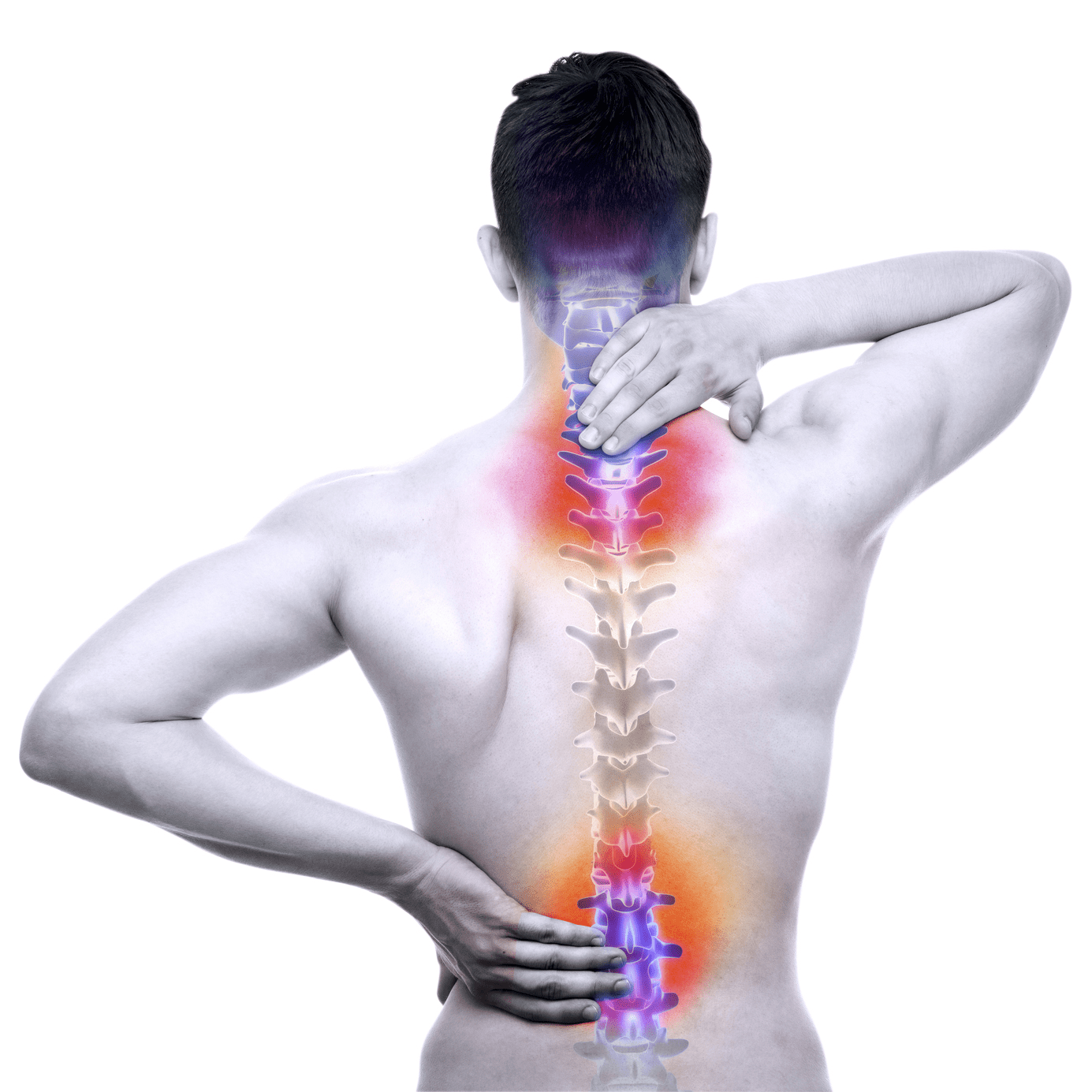
Sciatica refers to pain that radiates along the sciatic nerve, the longest nerve in the body, which runs from your lower back through the hips, buttocks, and down each leg. It typically affects only one side and stems from compression or irritation of the nerve roots in the lumbar spine. Sciatica often feels like a sharp, burning sensation that can make everyday activities, such as walking or sitting, unbearable.
While not a standalone diagnosis, sciatica symptoms can signal an underlying issue such as a herniated disc or spinal stenosis. At Alliance Orthopedics, we offer personalized sciatica treatment plans to help with your sciatica pain at our orthopedic clinics in New Jersey.
Causes of Sciatica
Sciatica causes arise when something in the spine compresses or inflames the sciatic nerve roots, often due to age-related wear, injury, or structural issues. Understanding these helps guide effective sciatica treatment. Common triggers include everyday strains or progressive degeneration, but early intervention prevents the condition from getting worse.
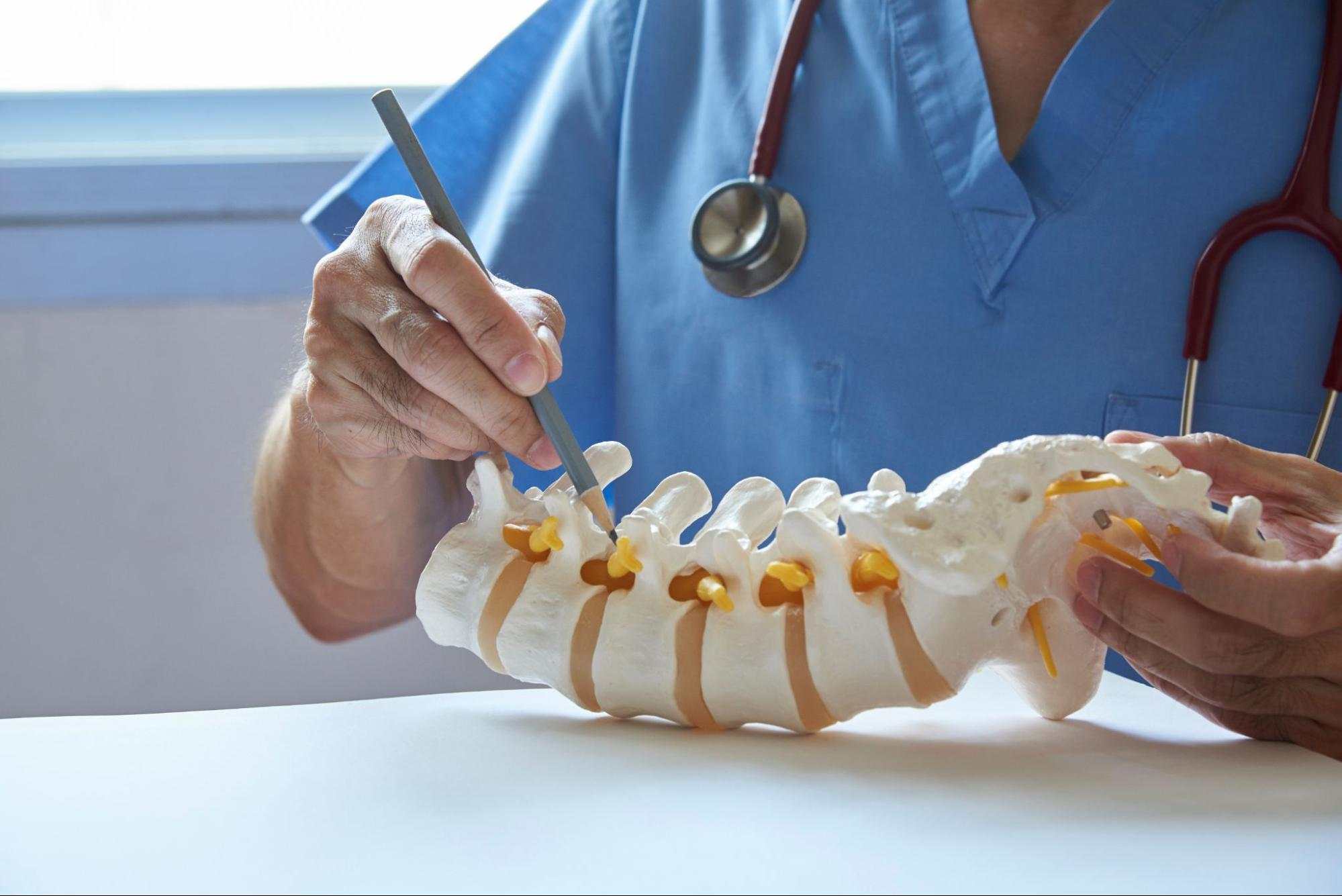
- Herniated or bulging disc
- Spinal stenosis
- Bone spurs
- Piriformis syndrome
- Spondylolisthesis
- Pregnancy or injury
- Degenerative disc disease
- Muscle imbalances
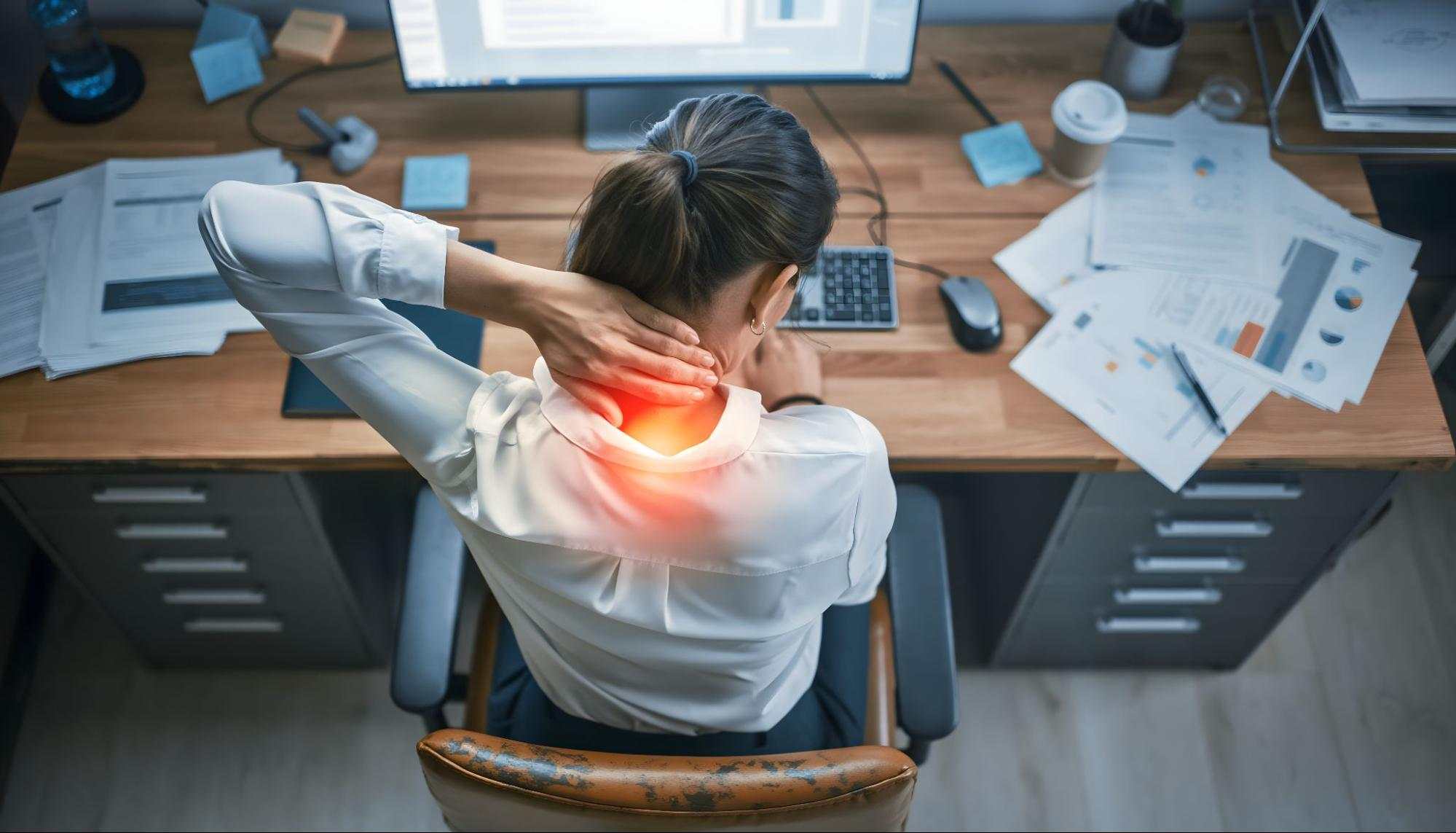
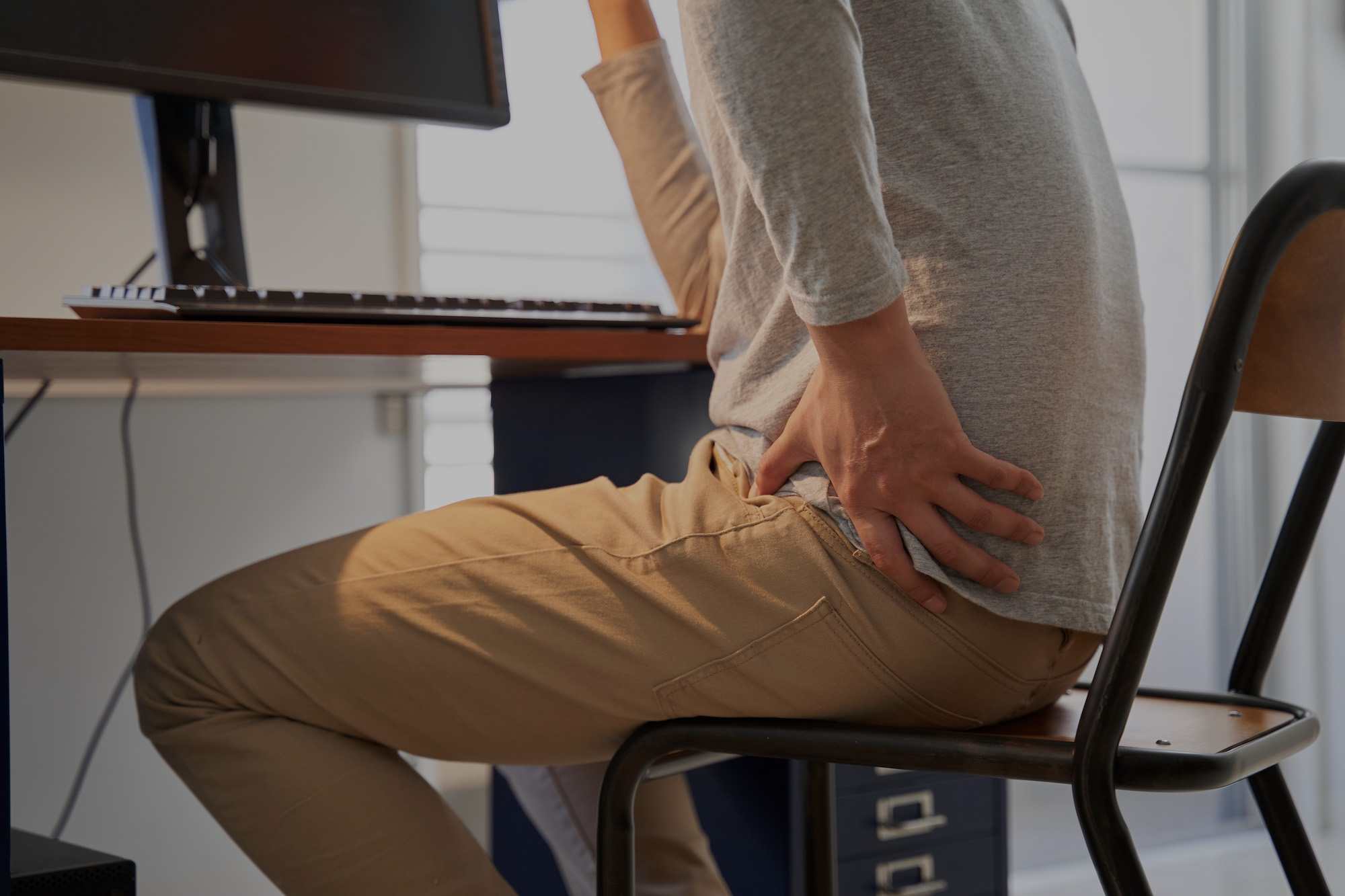
- Prolonged sitting or poor posture
Sciatica Symptoms
Sciatica symptoms can range from mild to severe, but most people notice one defining feature: pain that radiates from the lower back down the leg. Many describe it as a sharp, shooting, or electric-like sensation that can flare with movement, making everyday activities, work, and sleep difficult. Understanding these signs can help you get treatment earlier for your sciatica.
- Sharp, burning, or shooting pain traveling from the lower back to the buttocks and leg.
- Numbness, tingling, or “pins and needles” in the leg or foot.
- Muscle weakness, making it difficult to lift or control the leg or foot.
- Pain that worsens with sitting, coughing, sneezing, or bending, often making certain positions uncomfortable.
- Usually, one-sided discomfort, though both legs are rarely affected.
- Difficulty walking or standing for long periods due to leg or back pain.
- Changes in reflexes or coordination in the affected leg may occur in more severe cases.
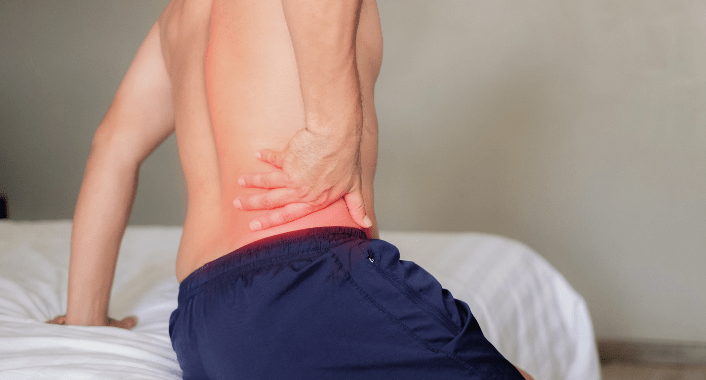
Custom Orthopedic Treatment Made for You, with You
Choose Alliance Orthopedics for care that revolves around you. We listen, collaborate, and create a custom orthopedic treatment plan that fits your life, your goals, and your recovery!
How Sciatica Is Diagnosed
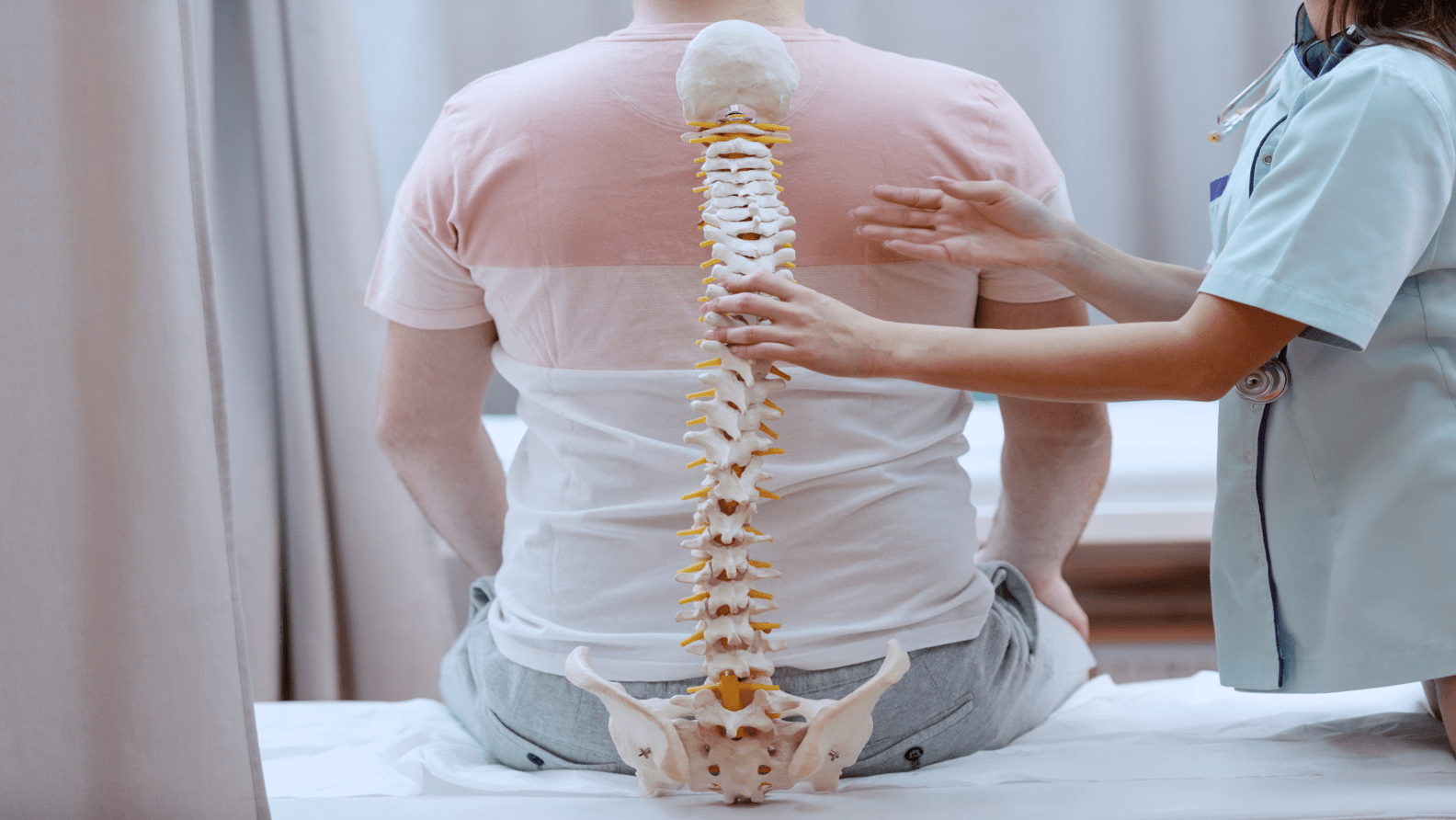
Finding the cause of sciatica starts with listening to your story. Your provider will ask about when the pain began, what makes it worse or better, and how it affects your daily life. A hands-on exam helps identify your symptoms and check strength, sensation, and movement to find which nerve may be irritated. When needed, imaging helps confirm the source of pressure and rule out more serious conditions. At Alliance Orthopedics, this process happens conveniently across our New Jersey locations, so answers come sooner.
- Physical exam: Simple movements and leg-raise tests help pinpoint nerve irritation and pain patterns.
- X-ray: Shows bone alignment, arthritis, fractures, or bone spurs that may affect nerves.
- MRI: Provides a clear look at discs, nerves, and soft tissues to identify herniations or narrowing.
- CT scan: Offers detailed bone images when MRI is not an option.
- Electromyography (EMG): Evaluates how well nerves and muscles communicate if weakness or numbness persists.

Non-Surgical Sciatica Treatments in NJ
Most sciatica cases improve without surgery through conservative care focusing on pain relief, inflammation reduction, and strengthening. Alliance Orthopedics prioritizes non-surgical sciatica treatments first that calm down irritation around the sciatic nerve, improving mobility and strengthening the areas that support your spine. Non-surgical treatments are often effective for reducing sciatica pain and restoring function without the need for surgery.
Gentle spinal adjustments help relieve pressure on the sciatic nerve and improve alignment in the lower back and pelvis. By restoring natural movement and reducing joint stress, chiropractic care can ease leg pain, improve flexibility, and support long-term relief when combined with other therapies.
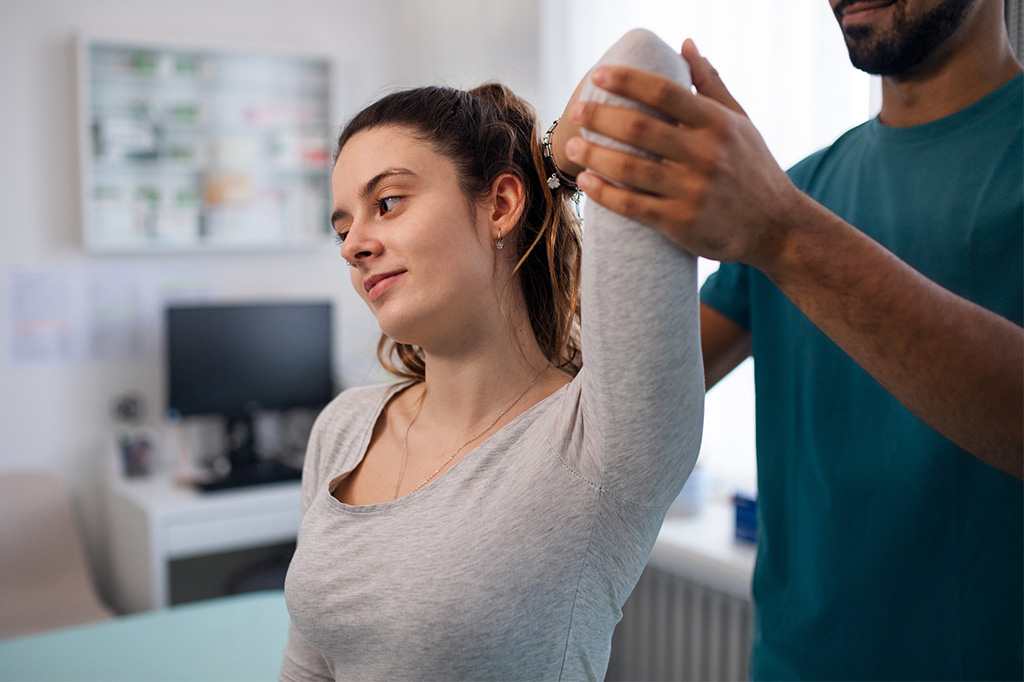
Physical therapy focuses on relieving pain while rebuilding strength and mobility. Your therapist guides you through targeted stretches, core strengthening, and posture training to reduce nerve irritation, improve stability, and help prevent future flare-ups so you can move confidently again.
Dry needling targets tight muscles and trigger points that can worsen sciatic nerve pain. By releasing tension and improving blood flow, this technique helps calm irritated tissues, reduce referred leg pain, and improve movement, especially when muscle tightness is a major contributor.
Epidural injections deliver anti-inflammatory medication directly around the irritated sciatic nerve. This reduces swelling and pain at the source, often providing significant relief that allows you to participate more comfortably in physical therapy and daily activities.
Nerve blocks temporarily interrupt pain signals traveling along the sciatic nerve. They can provide both diagnostic insight and meaningful pain relief, helping you move, sleep, and function better while other treatments work to address the underlying cause.
Radiofrequency ablation uses heat to quiet overactive nerves that continue to send pain signals. For patients with persistent sciatica, this longer-lasting option can reduce pain for months, making everyday activities more manageable without ongoing medication.
Spinal cord stimulation uses a small implanted device to change how pain signals are perceived by the brain. For chronic sciatica that hasn’t responded to other treatments, it can significantly reduce pain and improve quality of life without major surgery.
Surgical Sciatica Treatments in NJ
Surgery is usually the next step only when sciatica doesn’t improve after several weeks of non-surgical treatment or when nerve pressure is causing weakness or loss of function. At Alliance Orthopedics, our spine surgeons focus on minimally invasive treatments that relieve pressure on the sciatic nerve while protecting surrounding muscles.
A microdiscectomy removes the portion of a herniated disc pressing on the sciatic nerve. Using small incisions and specialized instruments, surgeons can relieve leg pain quickly while preserving the surrounding muscle. Many patients notice rapid symptom improvement and return to light activities within weeks.
A laminectomy creates more space for the sciatic nerve by removing a small section of bone, causing compression. This procedure is often recommended for spinal stenosis–related sciatica and helps reduce leg pain, numbness, and weakness while improving walking and daily comfort.
Spinal fusion stabilizes the spine when sciatica is caused by instability or severe degeneration. By joining two vertebrae, the procedure limits painful motion and protects irritated nerves. Minimally invasive techniques help reduce recovery time and support a safer return to normal activities.
Sciatica Recovery
Sciatica recovery looks different for everyone and depends on how irritated the nerve is, the treatment you choose, and your overall health. With non-surgical care, many people start feeling relief within four to six weeks as inflammation calms and strength returns through therapy, movement, and lifestyle changes. Daily activities usually become easier during this time, though full nerve healing can take a few months.
When surgery is needed, minimally invasive techniques at Alliance Orthopedics often mean a faster recovery. Many patients are walking the same day, back to desk work within a few weeks, and easing into exercise within a few months. Ongoing therapy, follow-ups, and education help you heal fully and stay active long term.
Sciatica FAQs
Sciatica can fade quickly or hang around, depending on what’s irritating the nerve. Many people feel real improvement within four to six weeks with rest, gentle movement, and simple treatments. If the nerve stays compressed, symptoms can last longer; starting care early often speeds things up.
Yes, it often does. Most cases improve with time, light stretching, and avoiding movements that flare the pain. If symptoms keep returning or never fully settle, it’s a sign the nerve may still be irritated and needs a closer look.
Surgery is rarely needed. Most people get relief without it. It’s usually only considered when pain doesn’t improve after several weeks or when weakness or numbness is getting worse. When surgery is necessary, minimally invasive options can make recovery easier.
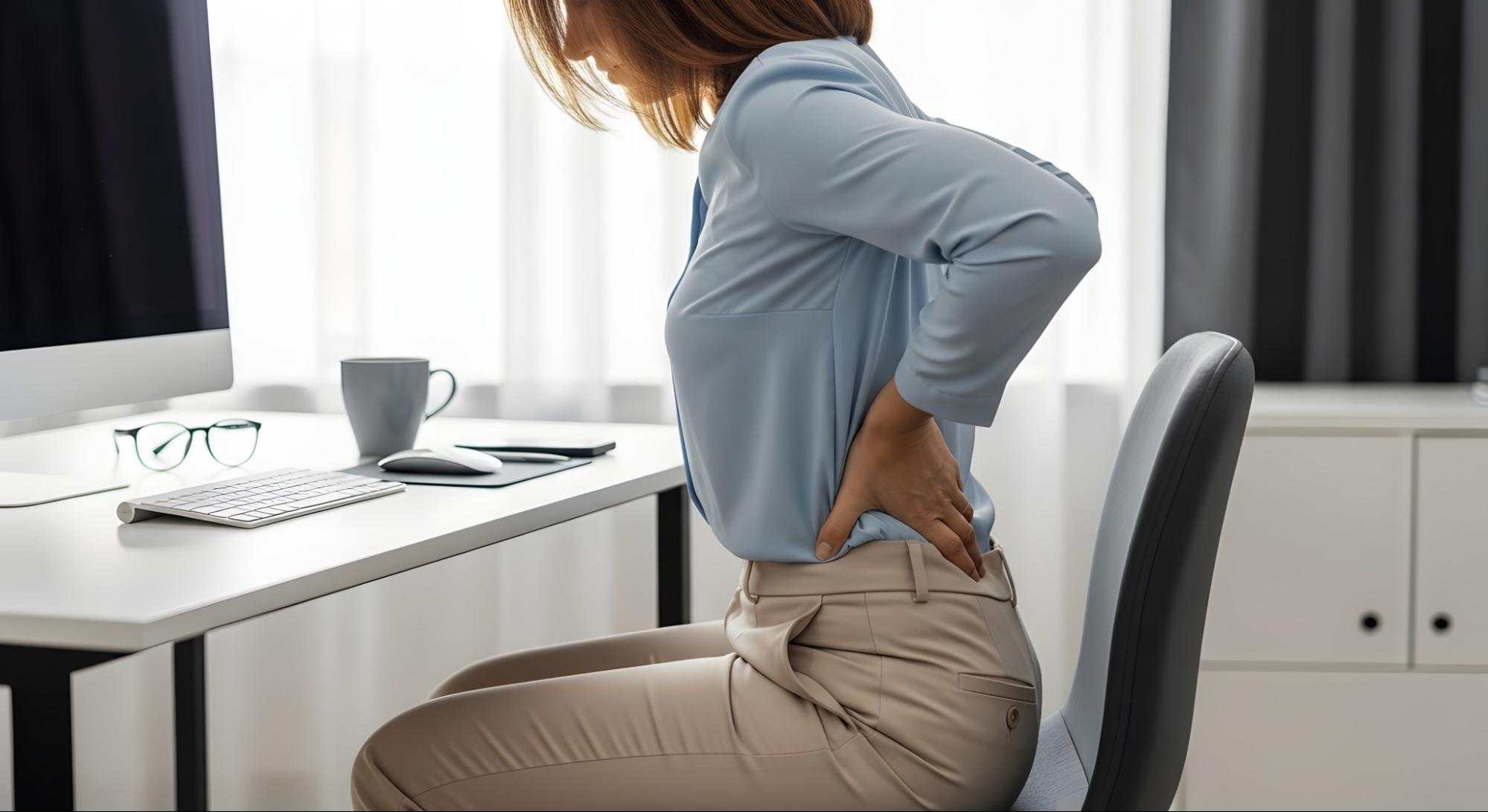
If pain lasts more than a week, keeps worsening, or starts interfering with daily life, it’s time to check in. Sudden leg weakness, numbness, or changes in bladder or bowel control should be evaluated right away. Early sciatica treatment helps prevent long-term nerve issues.
You should consider a second opinion if your sciatica isn’t improving after several weeks of treatment, keeps returning, or is interfering with walking, sitting, or sleeping. It’s also important if your pain is worsening, traveling further down the leg, or causing numbness or weakness.
At Alliance Orthopedics, our board-certified spine surgeons in New Jersey take the time to listen, review your imaging carefully, and explain your options clearly. The focus is on finding the right treatment for you, not rushing you into procedures.
Why Choose Alliance Orthopedics to Treat Sciatica?
At Alliance Orthopedics, we treat sciatica by focusing on what’s actually causing your nerve pain, not just masking the symptoms. Our spine specialists work together to create a personalized plan that may include physical therapy, targeted injections, or minimally invasive procedures when needed. With convenient locations across New Jersey, you get consistent, coordinated care close to home. From your first visit through recovery, our goal is to relieve pressure on the sciatic nerve, restore mobility, and help you get better every day.
Spine Surgeons in New Jersey
At Alliance Orthopedics, our spine specialists are dedicated to helping patients find relief from sciatica. With extensive training and experience, they focus on identifying the root cause of nerve compression or irritation, whether it stems from a herniated disc, spinal stenosis, or other spinal conditions. Using a combination of non-surgical and minimally invasive treatments, our team works to reduce pain, restore mobility, and strengthen the spine for lasting relief.



Spine Clinics in New Jersey
Alliance Orthopedics’ clinics across New Jersey provide comprehensive care for sciatica, bringing diagnostics, treatments, and rehabilitation all under one roof. Our team works together to pinpoint the source of nerve pain and create a personalized plan, whether that includes physical therapy, targeted injections, or minimally invasive procedures. With locations in Bloomfield, Fair Lawn, Freehold, and beyond, patients can access expert sciatica treatment close to home.