Carpal Tunnel Syndrome Treatment in New Jersey
Page Navigation
Page Navigation
What is Carpal Tunnel Syndrome?
Carpal tunnel syndrome is a condition that develops when pressure builds on the median nerve as it passes through the wrist. The median nerve controls sensation and movement in parts of the hand, so compression can lead to numbness, tingling, weakness, and pain. Symptoms often begin gradually and may be worse at night or during repetitive hand use.
Carpal tunnel syndrome treatments can help relieve pressure on the nerve, improve comfort, and protect hand function. At Alliance Orthopedics, our hand and wrist specialists tailor care to your symptoms, lifestyle, and activity level so you can get the right treatment at the right time.
Carpal Tunnel Syndrome Causes
Causes of carpal tunnel syndrome often involve pressure on the median nerve from swelling, repetitive hand motion, or an underlying health issue. In many cases, more than one factor contributes to the problem. Some people develop symptoms after repetitive work tasks, while others notice them during pregnancy or after an injury. Knowing the cause can help guide the right treatment and reduce the chance of symptoms getting worse.
- Repetitive wrist and hand movements
- Wrist injury or fracture
- Arthritis in the wrist
- Swelling from pregnancy or fluid retention
- Diabetes or other medical conditions that affect nerves
- A smaller carpal tunnel anatomy
- Inflammatory conditions such as rheumatoid arthritis
Carpal Tunnel Syndrome Symptoms
Carpal tunnel syndrome symptoms usually start slowly and may come and go at first. Many people notice tingling, numbness, or burning in the thumb, index finger, middle finger, and part of the ring finger. Symptoms may be worse at night or after activities like typing, driving, or gripping objects. As the condition progresses, weakness can make it harder to hold items, button clothes, or perform everyday tasks.
- Numbness in the hand or fingers
- Tingling or “pins and needles
- Burning pain in the wrist or hand
- Weak grip strength
- Trouble holding objects
- Symptoms worse at night
- Hand clumsiness or dropping items
Custom Orthopedic Treatment Made for You, with You
Choose Alliance Orthopedics for care that revolves around you. We listen, collaborate, and create a custom orthopedic treatment plan that fits your life, your goals, and your recovery!
How Is Carpal Tunnel Syndrome Diagnosed
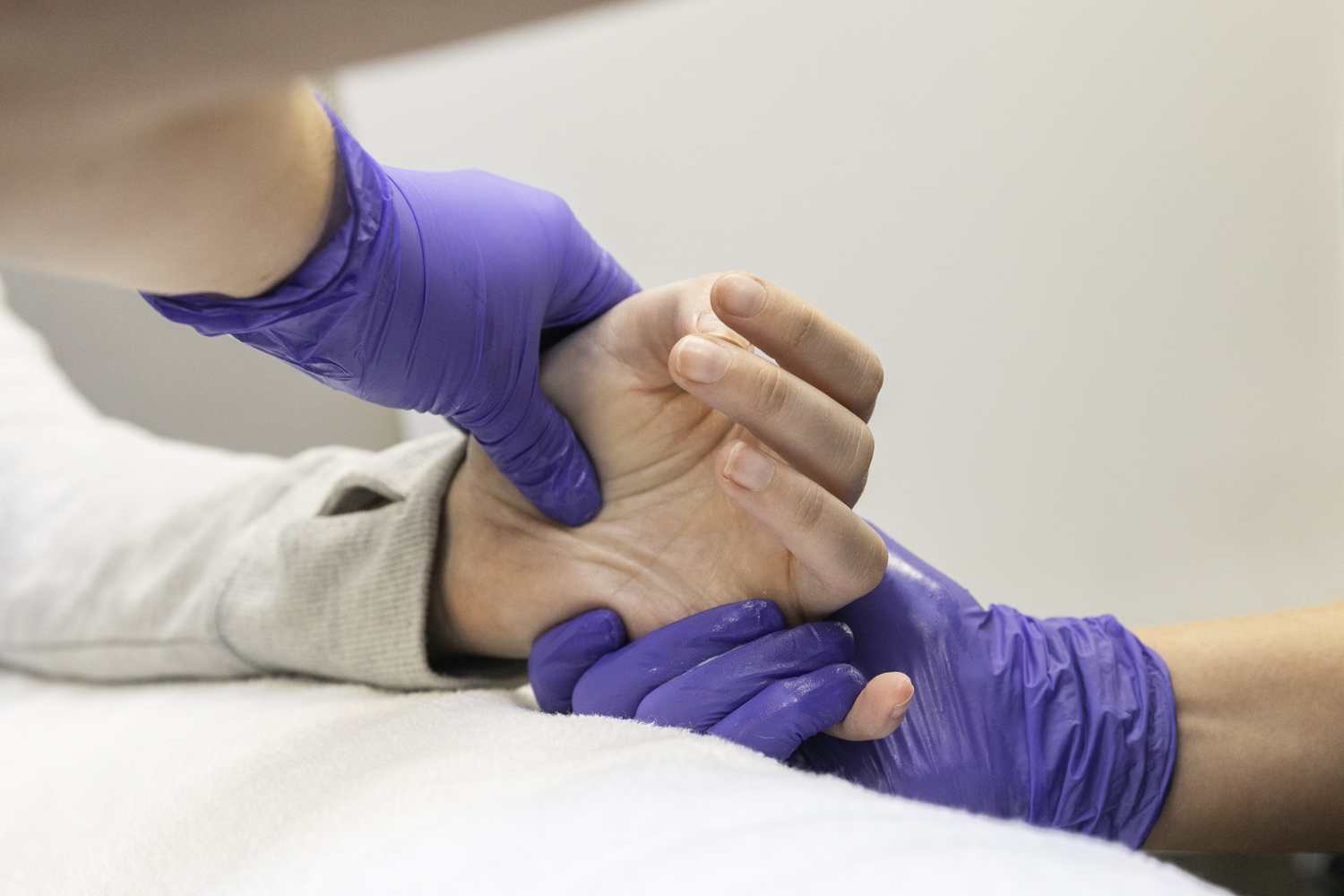
Carpal tunnel syndrome is diagnosed by reviewing your symptoms, examining the hand and wrist, and checking for signs of nerve irritation. Your provider may ask when the symptoms started, what makes them worse, and whether you have weakness or numbness. In some cases, testing is used to confirm how much the nerve is affected and rule out other problems.
- Physical exam to check strength, sensation, and wrist motion.
- Nerve conduction study to measure how well the median nerve signals travel.
- Electromyography to evaluate muscle response and nerve function.
- X-ray imaging to reveal if another wrist problem is contributing.
Non-Surgical Carpal Tunnel Syndrome Treatments in NJ
Many patients improve with non-surgical carpal tunnel syndrome treatments, especially when symptoms are caught early. The goal is to reduce pressure on the median nerve and ease inflammation before permanent nerve damage develops.
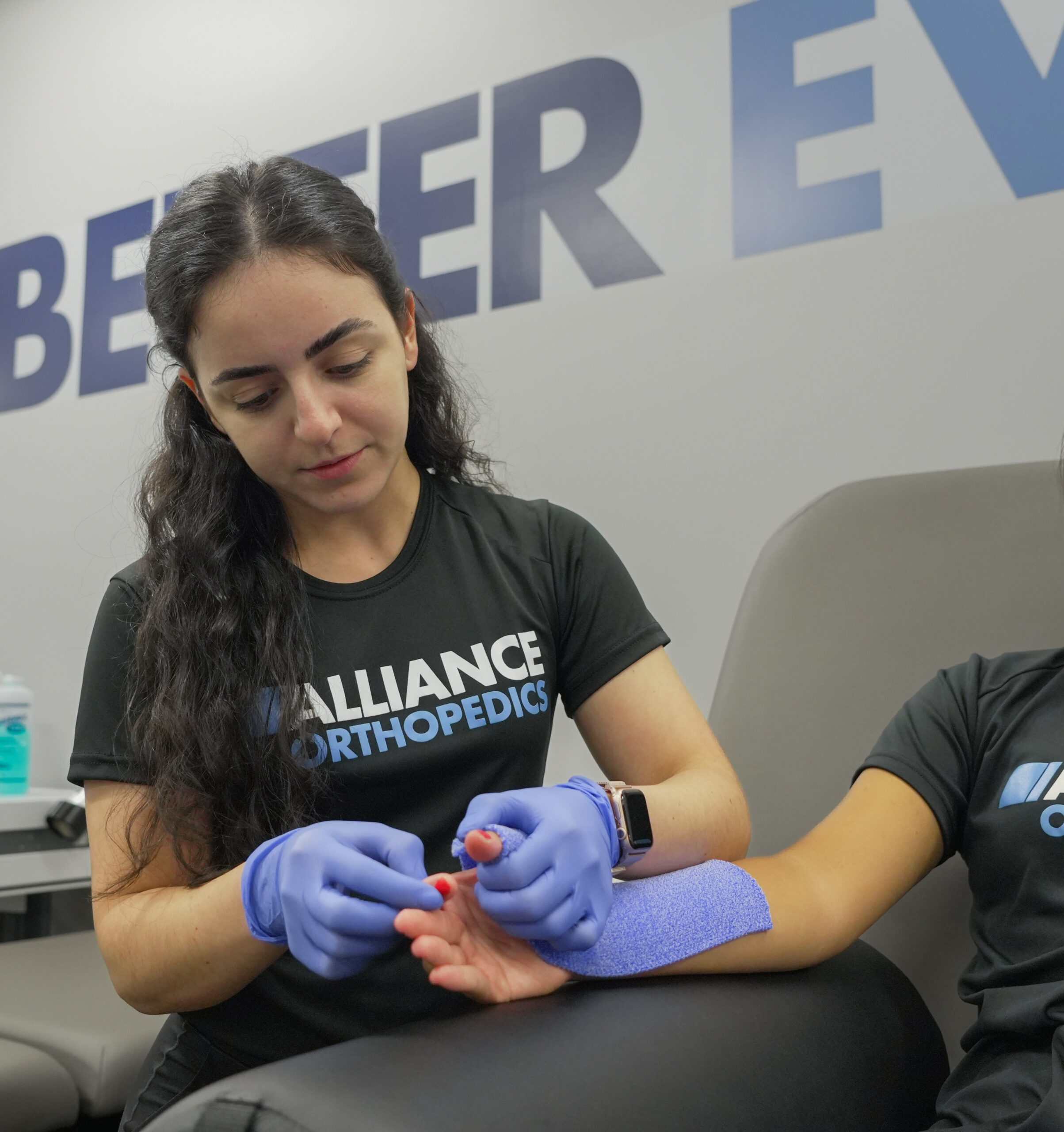
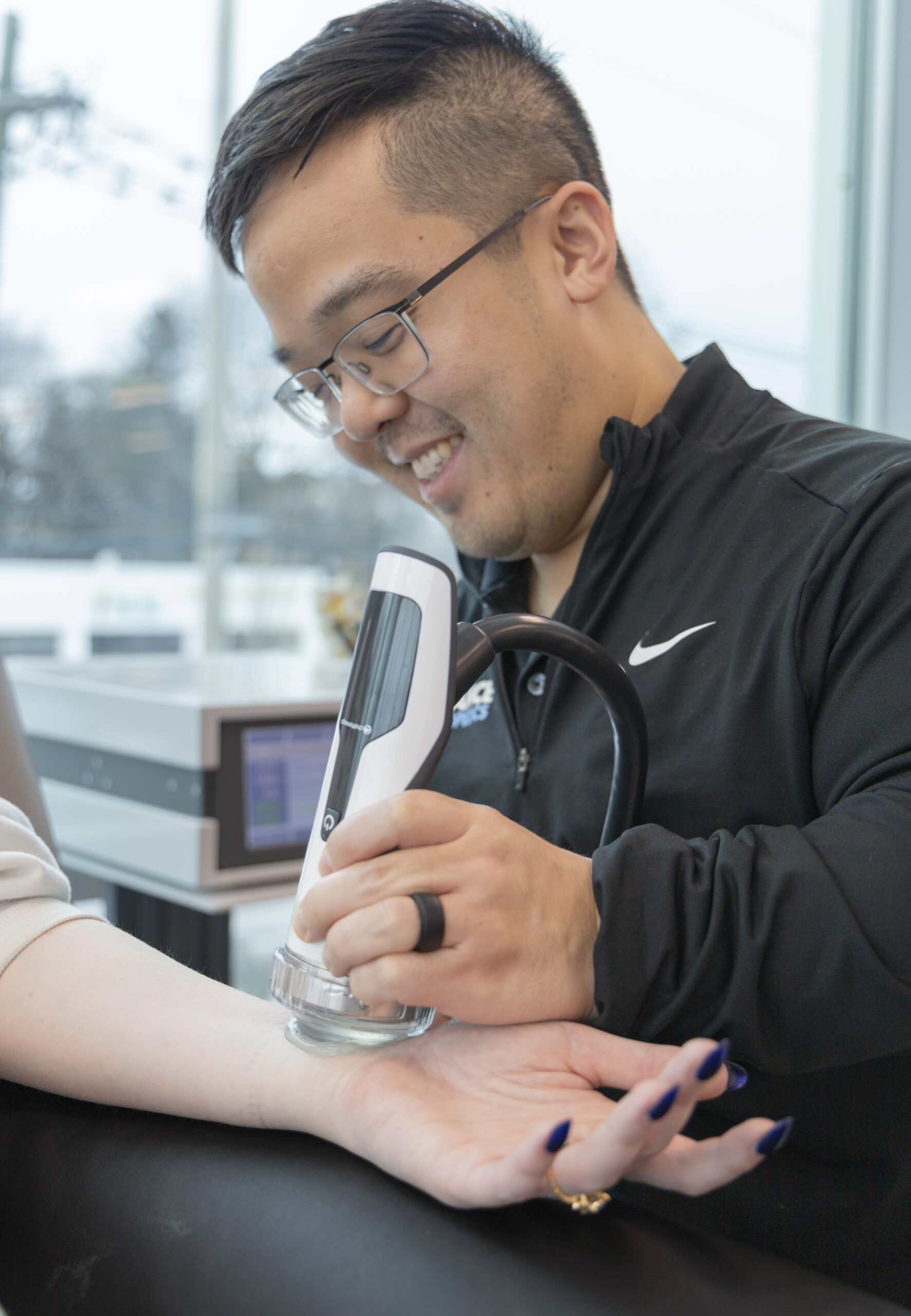
Non-surgical treatment may include a wrist splint, especially at night, to keep the wrist in a neutral position. Anti-inflammatory medicine, therapy, ergonomic changes, and nerve gliding exercises may also help. In some cases, a corticosteroid injection can reduce swelling and relieve pressure on the nerve. Your provider will recommend the approach that best matches your symptoms.
Carpal Tunnel Syndrome Surgery in NJ
Carpal tunnel syndrome surgery may be recommended when symptoms are severe, persistent, or not improving with conservative care. The main goal of carpal tunnel surgery is to relieve pressure on the median nerve by opening the tight ligament in the wrist. Surgery can help reduce numbness, improve hand use, and protect long-term nerve function. Your hand and wrist surgeon will discuss whether surgery is the right option based on your diagnosis and daily limitations. Surgical treatment usually involves carpal tunnel release, which can be done as an open or endoscopic procedure. In both methods, the tight ligament over the carpal tunnel is released to create more space for the nerve.
Carpal Tunnel Syndrome Recovery
Carpal tunnel syndrome recovery depends on whether you had non-surgical care or surgery and how long the nerve has been compressed. Some people improve quickly with splinting or other early treatment, while surgical recovery may take longer as the wrist heals and strength returns. Mild soreness, stiffness, or temporary weakness can happen after surgery, but these usually improve over time.
Your provider may recommend physical therapy, activity limits, and follow-up care to help you return to normal use safely. Ongoing healing may continue for weeks as nerve irritation settles down.
Carpal Tunnel Syndrome FAQs
Carpal tunnel syndrome is caused by pressure on the median nerve inside the wrist. That pressure can build up from repetitive hand use, swelling, wrist injury, arthritis, pregnancy-related fluid changes, or medical conditions that affect the nerves or tissues around the wrist. In many patients, there is not just one cause but a combination of factors. Identifying what is driving the compression can help guide the most effective treatment plan.
If carpal tunnel syndrome is not treated, symptoms may gradually become more frequent and more severe. Numbness and tingling can turn into weakness, making it harder to grip objects, type, or complete daily tasks. In more severe cases, nerve damage can become long-lasting and may not fully improve even after treatment. That is why early diagnosis matters.
Carpal tunnel syndrome often feels like tingling, numbness, or burning in the hand and fingers, especially the thumb, index finger, and middle finger. Some people describe it as their hand “falling asleep,” while others notice aching pain or weakness when holding objects. Symptoms are often worse at night or after repetitive hand use. The discomfort may come and go at first, but it can become more persistent over time.
You may not be able to prevent every case of carpal tunnel syndrome, but you can lower your risk by reducing wrist strain and taking breaks from repetitive hand tasks. Good posture, ergonomic workstation setup, and keeping the wrist in a neutral position can all help. Managing underlying conditions such as diabetes or inflammatory arthritis may also reduce pressure on the nerve. If symptoms start, early treatment can keep the condition from getting worse.
Why Choose Alliance Orthopedics to Treat Carpal Tunnel Syndrome?
Alliance Orthopedics offers personalized care for carpal tunnel syndrome with a focus on relieving symptoms and protecting long-term hand function. Our team understands how frustrating numbness, weakness, and wrist pain can be, especially when they interfere with work or daily activity. We evaluate the cause of your symptoms carefully and create a treatment plan that may include non-surgical care, therapy, injections, or surgery when needed. Our goal is to help you feel better, move better, and avoid unnecessary progression. Patients receive coordinated care from orthopedic specialists who understand hand and wrist conditions in detail.
Hand and Wrist Specialists in New Jersey
Our hand and wrist specialists in New Jersey treat carpal tunnel syndrome, wrist pain, tendon injuries, fractures, and many other upper-extremity conditions. They provide treatment plans designed to restore comfort, function, and confidence in everyday use.
Orthopedic Clinics in New Jersey
Alliance Orthopedics offers orthopedic clinics throughout New Jersey for patients looking for expert hand and wrist care. Our convenient locations make it easier to get evaluated, start treatment, and continue follow-up care close to home.