
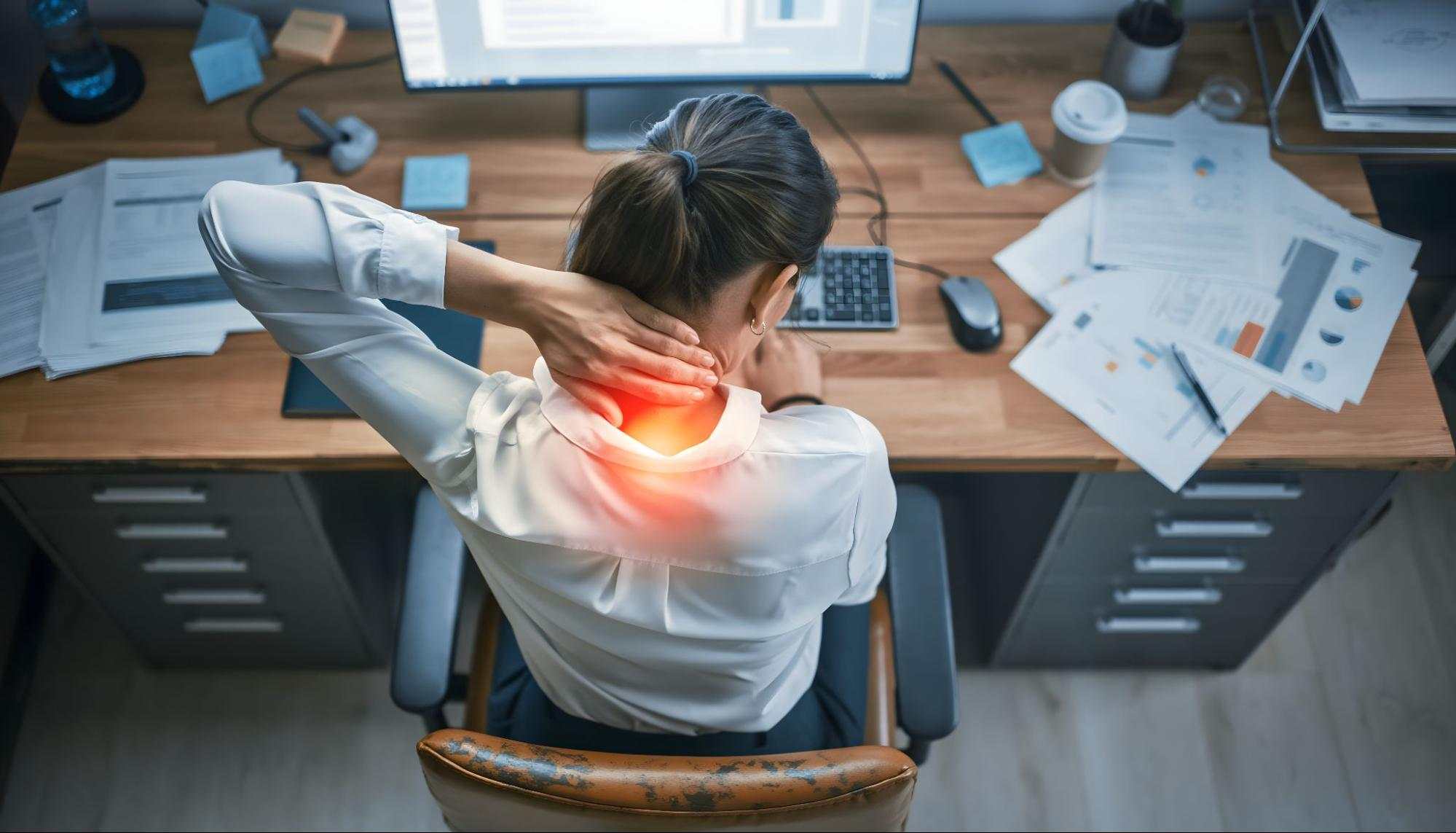
Neck pain is more than just a nuisance; it can be a sign of deeper issues in the cervical spine. This critical region of our anatomy, comprising the seven vertebrae in the neck, serves as the foundation for head support while protecting the delicate spinal cord that connects our brain to the rest of our body. When problems arise in this area, the consequences can be far-reaching, manifesting as radiating arm pain, numbness or tingling sensations, muscle weakness, and even coordination difficulties that significantly impact daily life.
The cervical spine’s complexity makes it particularly susceptible to various conditions that can severely compromise quality of life. The seven vertebrae work together to provide flexibility and stability, but this intricate system can be disrupted by numerous factors. Understanding when conservative treatments fail and when surgical intervention becomes necessary is crucial for patients seeking relief from chronic cervical spine issues.
Common Causes of Cervical Spine Conditions
Cervical spine conditions often develop from common causes such as:
1. Disc Degeneration and Herniation
Disc degeneration or herniation wears down or bulges the cushioning discs between the vertebrae, pressing against nerves.
2. Spinal Stenosis
Spinal stenosis, characterized by the narrowing of the spinal canal, can compress the spinal cord and nerve roots, leading to progressive symptoms.
3. Traumatic Neck Injuries
Traumatic injuries from accidents, sports activities, or falls can cause immediate damage or accelerate degenerative processes.
4. Poor Posture and Repetitive Strain
Poor posture and repetitive strain from prolonged computer work, driving, or other activities create cumulative stress on the cervical spine.
5. Age-Related Wear and Arthritis
Age-related wear and arthritis further compound these issues, making the spine more vulnerable to injury and dysfunction.
Conservative Treatment Options for Cervical Spine Conditions
Many patients find relief through conservative treatments like physical therapy, chiropractic care, injections, or activity modifications. These approaches address the underlying causes and symptoms without invasive procedures. Physical therapy focuses on strengthening neck muscles, improving posture, and increasing range of motion through targeted exercises and manual techniques. Chiropractic care can provide relief through spinal adjustments and manipulations that restore proper alignment. Epidural steroid injections may reduce inflammation and pain associated with nerve compression. Activity modifications and ergonomic adjustments help prevent further injury and promote healing.
When Cervical Spine Surgery Becomes Necessary
However, when conservative treatments fail to provide adequate relief or when symptoms progressively worsen, surgical intervention may become necessary to address the root cause of the problem. Surgery becomes particularly important when there is significant nerve compression that affects motor function, sensory perception, or daily activities. Loss of strength in the arms or hands, persistent numbness or tingling that interferes with daily tasks, and difficulty with coordination or balance are all warning signs that require immediate attention. When these symptoms significantly impact a person’s ability to work, perform daily activities, or maintain their quality of life, surgical evaluation becomes essential.
Factors to Consider Before Cervical Spine Surgery
The decision to proceed with cervical spine surgery requires careful consideration of several factors. Surgeons must evaluate the specific location and severity of the condition, the patient’s overall health status, and the expected outcomes of various surgical approaches. Modern surgical techniques have evolved significantly, offering minimally invasive options that reduce recovery time and complications compared to traditional open procedures. Procedures may include discectomy (removal of damaged disc material), laminectomy (removal of bone or tissue that’s compressing nerves), spinal fusion (stabilizing the spine by joining vertebrae), or artificial disc replacement (preserving motion while relieving pressure).
Weighing the Benefits and Risks of Cervical Spine Surgery
The decision to undergo cervical spine surgery should never be made lightly. Patients must carefully weigh the potential benefits against the risks and recovery time involved. However, when conservative treatments have been exhausted and symptoms significantly impact daily life, surgery can provide substantial relief and improved function. Modern surgical techniques have made cervical spine procedures safer and more effective than ever before, with many patients experiencing significant improvement in their symptoms and overall quality of life.
Cervical Spine Surgery at Alliance Orthopedics in New Jersey
At Alliance Orthopedics, we understand how complex these conditions can be. That’s why we’re excited to welcome Dr. Gino Chiappetta, a highly experienced spine surgeon who specializes in cervical spine procedures, to our esteemed team of surgeons. With many years of surgical expertise and a focus on patient-centered care, Dr. Chiappetta brings a comprehensive approach to treating cervical spine conditions. His extensive training and experience in both traditional and minimally invasive techniques allow him to offer personalized treatment plans tailored to each patient’s specific needs and circumstances.
Dr. Chiappetta’s Patient-Centered Surgical Approach
Dr. Chiappetta’s expertise extends beyond surgical skills to include thorough pre-operative evaluation and comprehensive post-operative care. He understands that cervical spine surgery is not just about removing the problem but about restoring function and improving quality of life. His approach emphasizes clear communication with patients, ensuring they understand their condition, treatment options, and expected outcomes. This patient-centered philosophy helps reduce anxiety and builds confidence in the surgical process.
Schedule a Cervical Spine Evaluation Today
Whether you’re experiencing persistent neck pain, radiating arm symptoms, or functional limitations that interfere with your daily activities, professional evaluation is crucial. Early intervention and proper treatment planning can prevent conditions from worsening and potentially avoid more complex surgical procedures later on.
The journey to recovery begins with proper diagnosis and treatment planning. Working with experienced professionals like Dr. Chiappetta ensures that you receive the most appropriate and effective care for your specific cervical spine condition, whether that involves conservative management or surgical intervention. Request an appointment with Dr. Chiappetta today at one of our orthopedic clinics in New Jersey for expert cervical spine surgery.