Calcaneus Fracture Treatment in New Jersey
Page Navigation
Page Navigation
What is a Calcaneus (Heel Bone) Fracture?
A calcaneus fracture is a break in the heel bone, also known as the calcaneus. The heel bone is the largest in your foot and plays a major role in absorbing impact when you walk, run, or jump. Because it supports much of your body weight, a fracture in this bone can affect your ability to stand, move, and maintain balance.
Calcaneus fractures usually occur after a high-impact injury, such as falling from a ladder, roof, or scaffold, or during a serious motor vehicle accident. The force from these events can cause the heel bone to crack, collapse, or shift out of alignment. When this happens, the structure of your foot can change, making walking painful and unstable.
You may notice severe heel pain, swelling, bruising around the foot, and difficulty putting weight on the injured side. In more serious cases, the heel may appear wider or flattened.
At Alliance Orthopedics, our foot and ankle specialists in New Jersey assess your heel fracture and develop a multidisciplinary treatment plan to restore your alignment and relieve your heel pain.
Causes of Calcaneus Fracture
Calcaneus fractures most often occur when a strong impact travels directly through the heel bone. Because the calcaneus absorbs the force each time your foot hits the ground, high-energy injuries such as falls or car accidents can cause the bone to crack or break.
The most common cause is landing on your feet after a fall. When the body’s weight and momentum drive downward through the heel, the bone can fracture under the pressure. Other common causes include:
- Falls landing feet-first from heights
- Motor vehicle accidents or dashboard impacts
- Skiing or snowboarding falls
- Workplace ladder or construction accidents
- High-impact sports injuries
- Weakened bones from osteoporosis
How Calcaneus Fracture Is Diagnosed
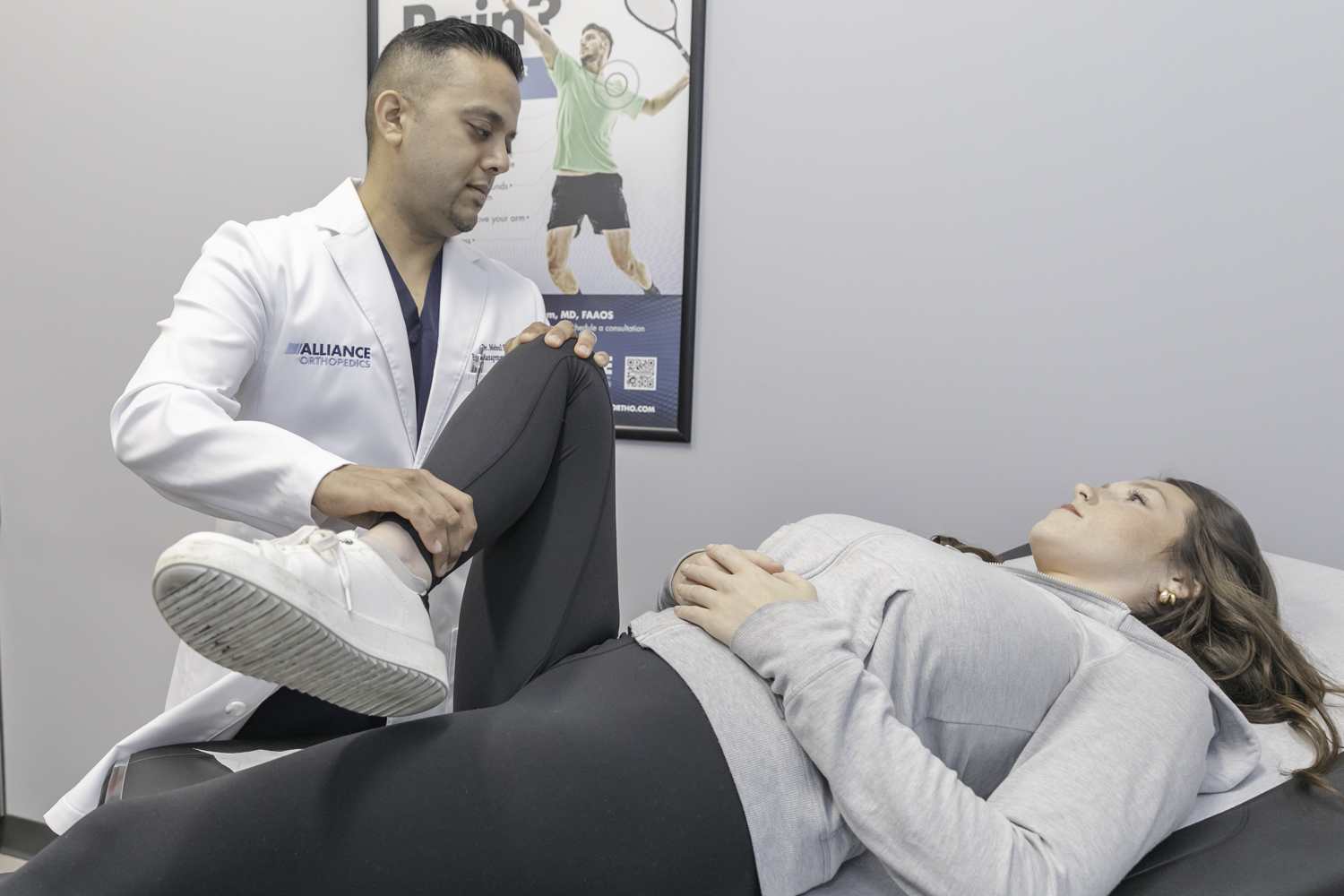
Diagnosing a calcaneus fracture begins with a thorough physical examination of your heel bone. Your foot and ankle specialist will assess your foot for any swelling or tenderness and examine the shape of your heel to identify any signs of a possible fracture. One of our specialists will also order imaging tests, such as an X-ray, to confirm your diagnosis and determine whether the heel bone has cracked, shifted, or collapsed.
In more severe cases, a CT scan may be recommended to provide detailed cross-sectional views of the bone, allowing your doctor to see the exact position of fracture fragments and whether the nearby joint surfaces are involved. Imaging tests help determine the next steps for your treatment and whether surgery is necessary to restore the alignment of your heel.
- X-ray: Shows breaks in the heel bone, changes in bone alignment, and whether the joint surface has collapsed or shifted.
- CT scan: Provides detailed cross-sectional images of the heel that help your doctor see the exact fracture pattern, number of bone fragments, and whether there is joint involvement.
- MRI: May be used to examine the surrounding soft tissues, such as ligaments, tendons, cartilage, or bone bruising, to check for any additional injuries.
Custom Orthopedic Treatment Made for You, with You
Choose Alliance Orthopedics for care that revolves around you. We listen, collaborate, and create a custom orthopedic treatment plan that fits your life, your goals, and your recovery!
How is an Ankle Fracture Diagnosed?
An ankle fracture diagnosis usually starts with a discussion with your foot and ankle specialist about how the injury happened and the symptoms you noticed right away, followed by a hands-on exam to check swelling, tenderness, stability, circulation, and sensation in your foot and ankle. At Alliance Orthopedics, on-site X-rays at our orthopedic clinics in New Jersey allow our doctors to quickly confirm the fracture’s location, alignment, and severity. At the same time, imaging tests may be used for more severe ankle fractures.
- X-ray: Shows broken bones, alignment, and the number of fracture pieces
- CT scan: Provides detailed 3D images for more complex fractures
- MRI: Evaluates ligaments, tendons, and other soft tissue injuries
- Stress X-ray: Gently tests ankle stability by applying controlled pressure
Non-Surgical Calcaneus Fracture Treatments in NJ
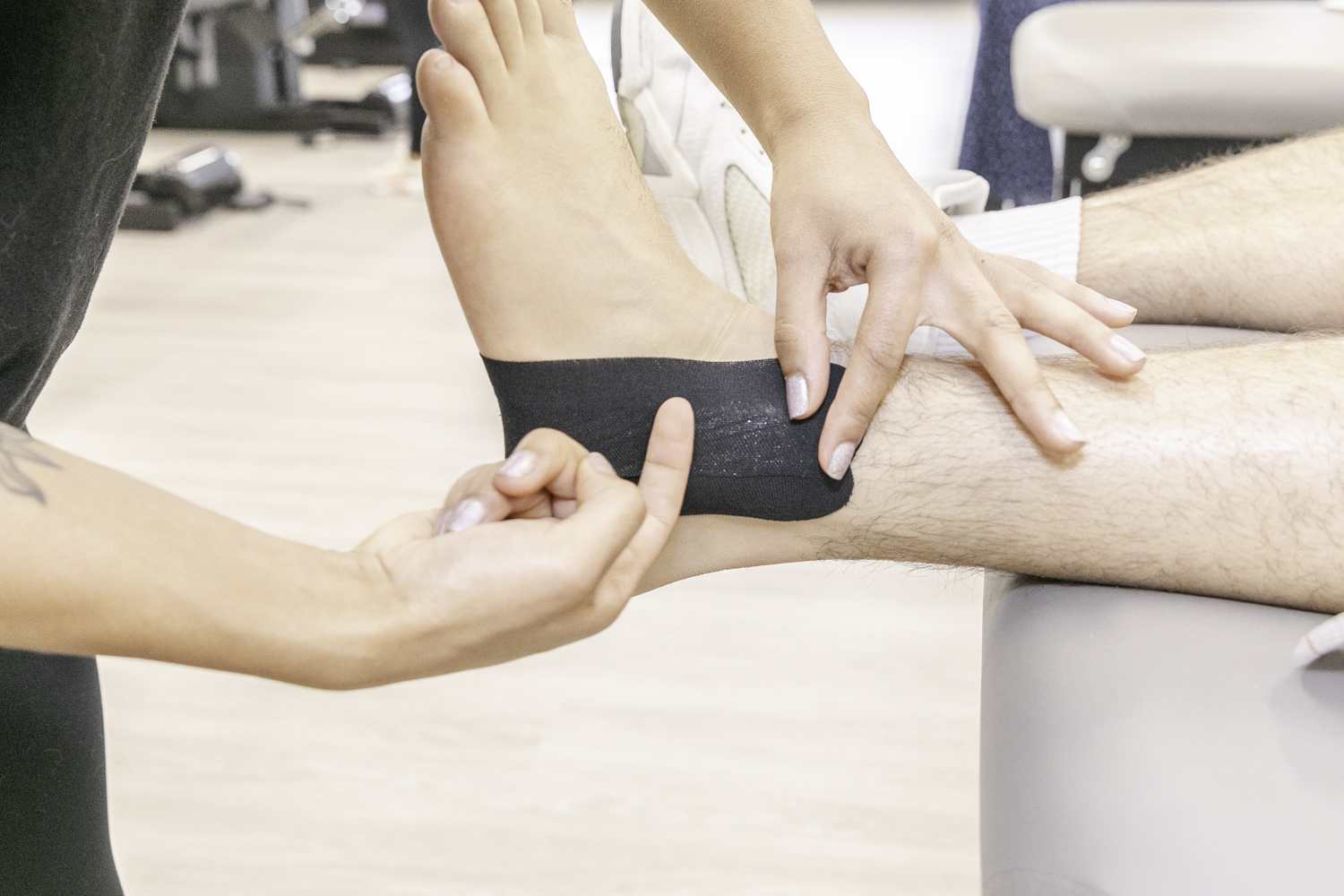
Not all calcaneus fractures require surgery. If the heel bone remains aligned and the fracture is stable, non-surgical treatment may allow the bone to heal naturally over time. Non-surgical treatment typically focuses on protecting the injured heel while reducing swelling and pain, which often involves immobilizing the foot in a splint or different therapy modalities to reduce inflammation as the bone begins to heal.
Early care for a heel fracture often follows the RICE method: rest, ice, compression, and elevation. Resting your foot and applying ice for short periods throughout the day can help reduce swelling and ease your pain.
Keeping your foot elevated, especially during the first few days after injury, can also help limit inflammation. Your doctor may recommend compression wraps to provide additional support to the surrounding tissues.
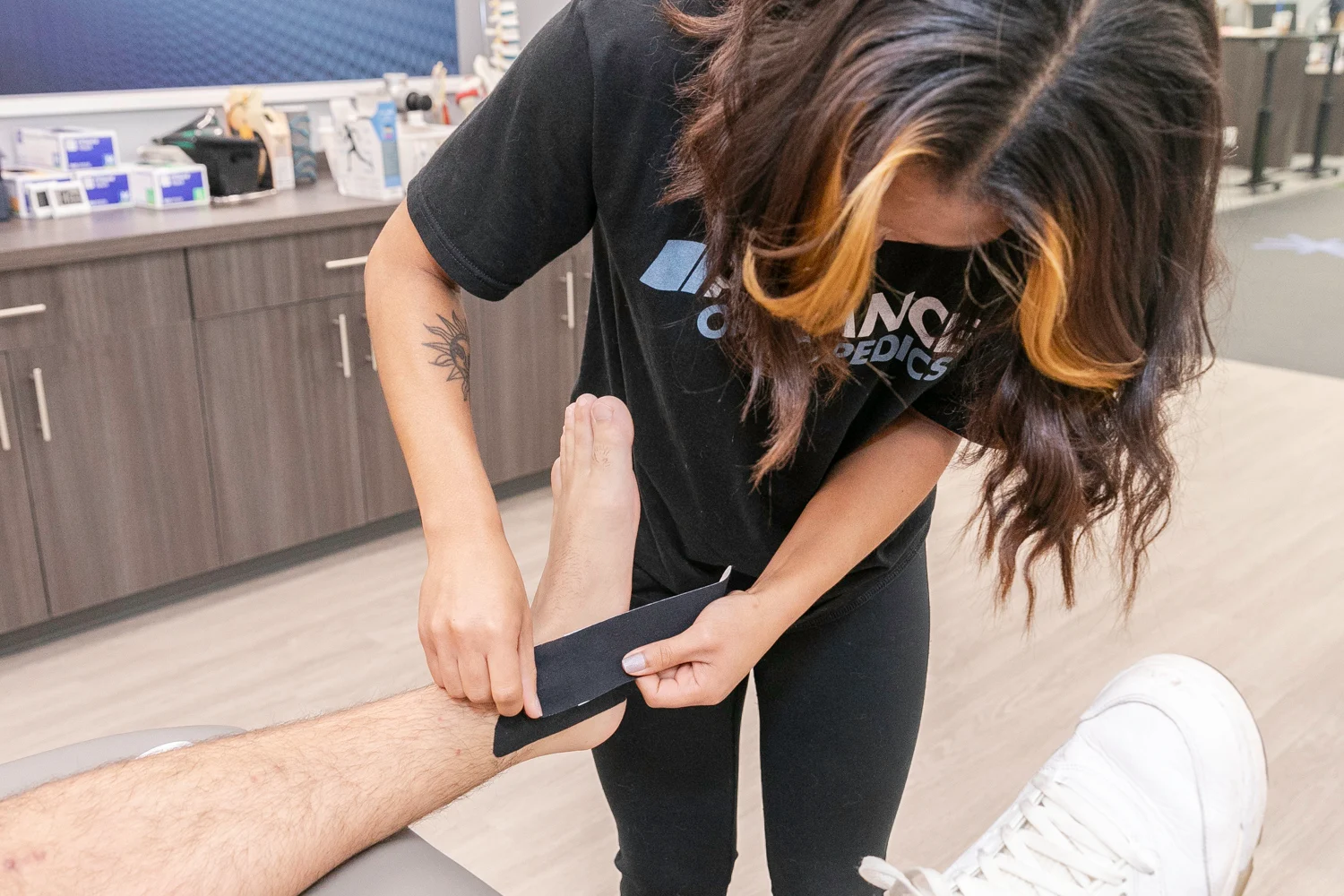
During the early stages of healing, splinting helps stabilize the ankle and protect the fracture. A splint holds your ankle in a safe, supported position while still allowing room for swelling, which is common after injury. This support reduces pain, prevents further damage, and creates the right environment for proper bone healing before transitioning to a cast or walking boot (if you need one).
Calcaneus fractures can cause significant pain, especially during the early stages of healing. At Alliance Orthopedics, your foot and ankle specialist may coordinate with our pain management team to help keep you comfortable throughout your recovery.
Treatment may include anti-inflammatory medications or image-guided injections designed to reduce inflammation and relieve pressure around the injured joint.
As your heel begins to improve and your doctor allows gradual weight-bearing, physical therapy becomes an important part of your treatment. One of our physical therapists will guide you through exercises that help restore your ankle mobility, strengthen the muscles that support your foot, and improve your balance.
Laser therapy can help reduce inflammation and support tissue healing during your recovery. It uses targeted light energy to improve circulation and stimulate repair at a cellular level. By addressing deeper inflammation, laser therapy can help decrease discomfort and support a smoother transition as you begin to move your foot more normally.
Electrical stimulation helps keep your muscles active while reducing pain during recovery. This treatment uses gentle electrical impulses to activate weakened muscles, improve circulation, and decrease discomfort. It can be especially helpful when movement is limited, helping prevent muscle loss and supporting better overall function as your healing progresses.
The AlterG anti-gravity treadmill allows you to begin walking with less pressure on your heel. By reducing your body weight, it creates a controlled environment where you can safely rebuild strength and improve your walking pattern without overstressing the healing bone. This can help you regain confidence and progress more comfortably toward full weight-bearing activity.
Calcaneus Fracture Surgery in NJ
Surgery may be recommended if your calcaneus fracture is displaced or involves the joint surfaces of the heel. When the bone fragments shift out of place, restoring the normal shape and alignment of the heel is important for the bone to heal.
At Alliance Orthopedics, your foot and ankle surgeon in New Jersey will assess the severity of your fracture and determine whether surgery is the best option. The goal of your surgery is to carefully realign the bone, stabilize the fracture, and reduce the risk of long-term complications, such as chronic heel pain, arthritis, or difficulty walking.
Open reduction internal fixation is one of the most common procedures used to treat displaced calcaneus fractures. During surgery, your surgeon makes an incision to access the fractured bone and carefully repositions the fragments into their proper alignment. Once the bone is restored, plates and screws are placed to hold the fragments securely while the heel heals.
For some calcaneus fractures, your surgeon may be able to repair the bone using a minimally invasive approach instead of a larger open incision. In these cases, small incisions are made around the heel, allowing your surgeon to place specialized instruments and screws that help guide the fractured bone pieces back into better alignment.
If your fracture causes significant swelling or soft tissue damage, your surgeon may first stabilize the heel using an external fixation device. The device sits outside the body and holds the bones in position while swelling improves and the surrounding tissues recover. Once the area has stabilized, your surgeon may perform additional procedures if needed to complete the fracture repair.
If your calcaneus fracture causes severe damage to the subtalar joint, a subtalar fusion may be recommended. During this procedure, the joint surfaces are stabilized so the bones heal together. Although fusion limits motion in that joint, it can significantly reduce pain and improve stability when the joint cannot be preserved.
Calcaneus Fracture Recovery
Recovering from a calcaneus fracture takes time because the heel bone carries so much of your body weight with every step. In the early stages of recovery, you will typically need to keep weight off your foot while the bone begins to heal. Your foot and ankle specialist may recommend crutches, a knee scooter, or a walking boot to protect the injured heel and prevent additional stress on the fracture.
As healing progresses, your care team will gradually guide you back to weight-bearing activities. Physical therapy often becomes an important part of recovery, helping restore ankle mobility, strengthen the surrounding muscles, and improve balance and walking mechanics.
At Alliance Orthopedics, your recovery plan is planned around the severity of your heel fracture and your lifestyle, helping you return to activities safely while preventing long-term stiffness, pain, or instability.
Calcaneus Fracture FAQs
If you have a calcaneus fracture, you’ll likely feel sudden, intense pain in your heel right after the injury. Trying to stand or put weight on your foot can make the pain much worse. You may also notice swelling and bruising around your heel and ankle, and the back of your foot may feel stiff, tender, or unstable when you try to move it.
If you fracture your heel bone, you’ll usually notice swelling and bruising around the heel within a few hours of the injury. Your heel may look wider than usual or slightly misshapen if the bone has shifted. In more severe cases, the back of your foot can appear flattened or uneven. Because these changes aren’t always easy to judge on your own, imaging like X-rays or a CT scan is often needed to confirm the injury.
Most people cannot walk normally with a calcaneus fracture because the injury causes significant pain and instability in the heel. Even if you can take a few steps, putting weight on the foot can worsen the injury or shift the broken bone fragments. If you suspect a heel fracture, it’s important to avoid weight-bearing and see a doctor.
Not all heel fractures require surgery. If the bone fragments remain in their normal position, the fracture may heal with non-surgical treatment such as immobilization in a cast or walking boot and strict non-weight-bearing. However, surgery may be recommended when the bone is displaced, the joint surface is involved, or the heel’s shape has changed.
Why Choose Alliance Orthopedics to Treat Calcaneus Fracture?
A heel fracture can make even simple movements feel difficult, and getting the right care early can make a big difference in how well your foot heals. At Alliance Orthopedics, your care is guided by experienced foot and ankle specialists who regularly treat complex heel injuries. They take time to carefully evaluate the fracture and recommend the treatment that best restores the shape and stability of your heel.
Your surgeon will carefully review your imaging, explain what’s happening inside your heel, and walk you through the treatment options that make the most sense for your injury. Whether your fracture can heal with immobilization or requires surgery, your care is focused on restoring the structure of your foot and helping you get better every day.
Foot and Ankle Surgeons in New Jersey
At Alliance Orthopedics, our foot and ankle surgeons in New Jersey specialize in diagnosing and treating a wide range of foot and ankle injuries, including fractures, ligament damage, and chronic conditions that affect how you move. When you come in with a heel injury like a calcaneus fracture, you’re evaluated by a surgeon who understands the complexity of the foot and how important proper alignment is for walking and balance.




Orthopedic Clinics in New Jersey
Alliance Orthopedics has orthopedic clinics located throughout New Jersey, making it easier for you to get expert orthopedic treatment when a foot or ankle injury happens. With convenient locations in communities like Bloomfield, Freehold, and Union, you can schedule appointments, follow-up visits, and imaging without traveling far.

Discover More Foot and Ankle Treatments
Recent Blogs