Broken Foot Treatment in New Jersey
Page Navigation
Page Navigation
What is a Broken Foot (Fractured Foot)?
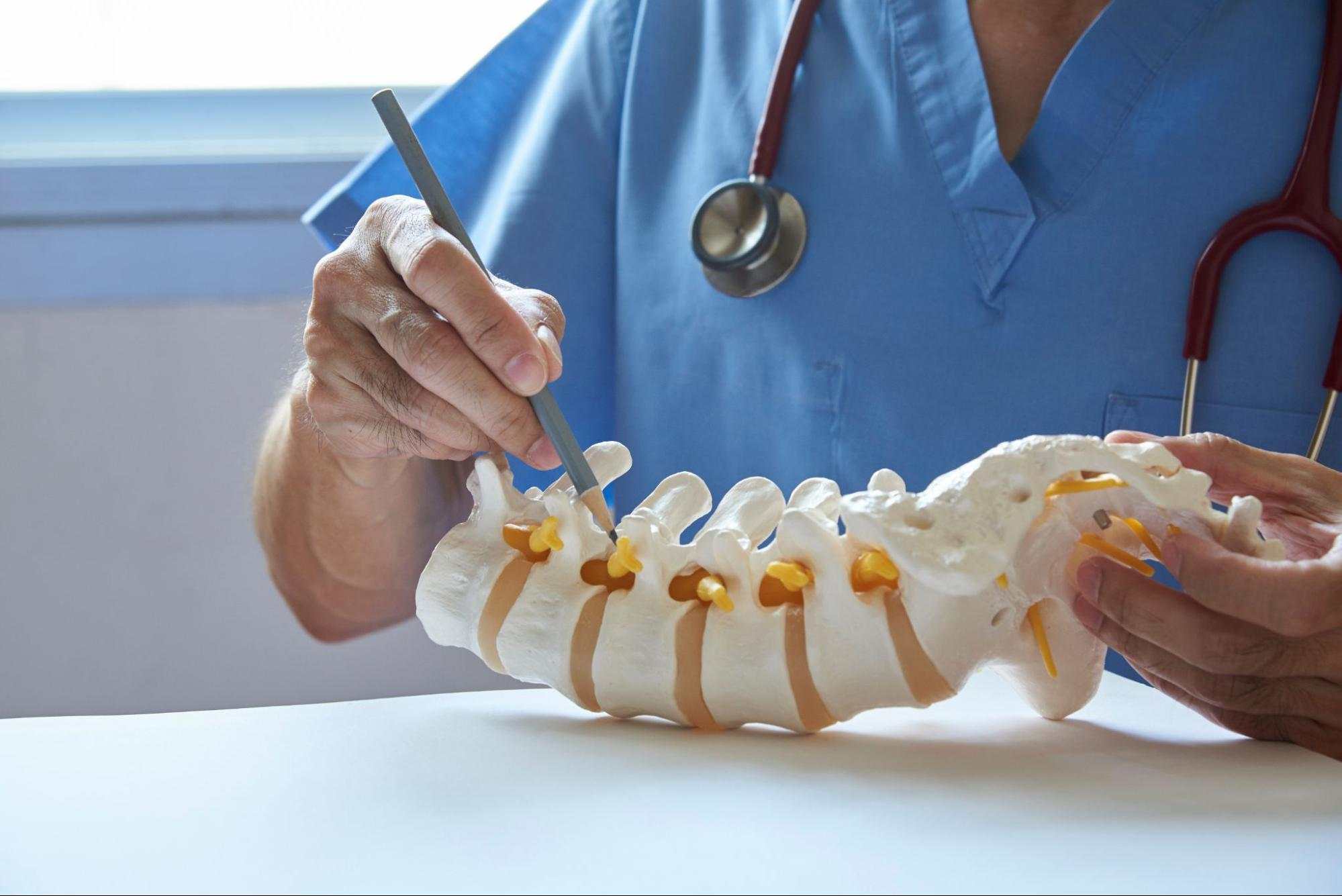
Your foot contains 26 bones, including metatarsals, phalanges, and the calcaneus, which work together to support your body weight and help you move. A broken or fractured foot happens when one or more of these bones cracks or breaks due to injury or repeated stress.
You may notice immediate pain, swelling, or difficulty walking after the injury. Some foot fractures are stable and can heal with protection and time, while others require surgery to restore alignment. Getting the right diagnosis early helps prevent long-term issues like chronic pain or arthritis and sets you up for a better recovery.
At Alliance Orthopedics, our foot and ankle specialists treat foot fractures at our orthopedic clinics across New Jersey, such as Bloomfield, East Brunswick, and Freehold, to help you get better every day.
Broken Foot Causes
Foot fractures can happen due to sudden high-impact injuries or ongoing repetitive stress, affecting different foot bones depending on how the force hits and how strong the bones are. These injuries often follow sports collisions, trips, falls, or long-distance running on hard surfaces. Understanding exactly how your injury happened helps our foot and ankle specialist design better prevention plans and choose the best treatment for your specific lifestyle and activity level.
- Falls or landing awkwardly on your foot
- Heavy objects dropping onto your foot or toes
- Twisting injuries during sports or activity
- Repetitive stress from running or overuse
- Motor vehicle accidents
- Weakened bones from conditions like osteoporosis
Broken Foot Symptoms
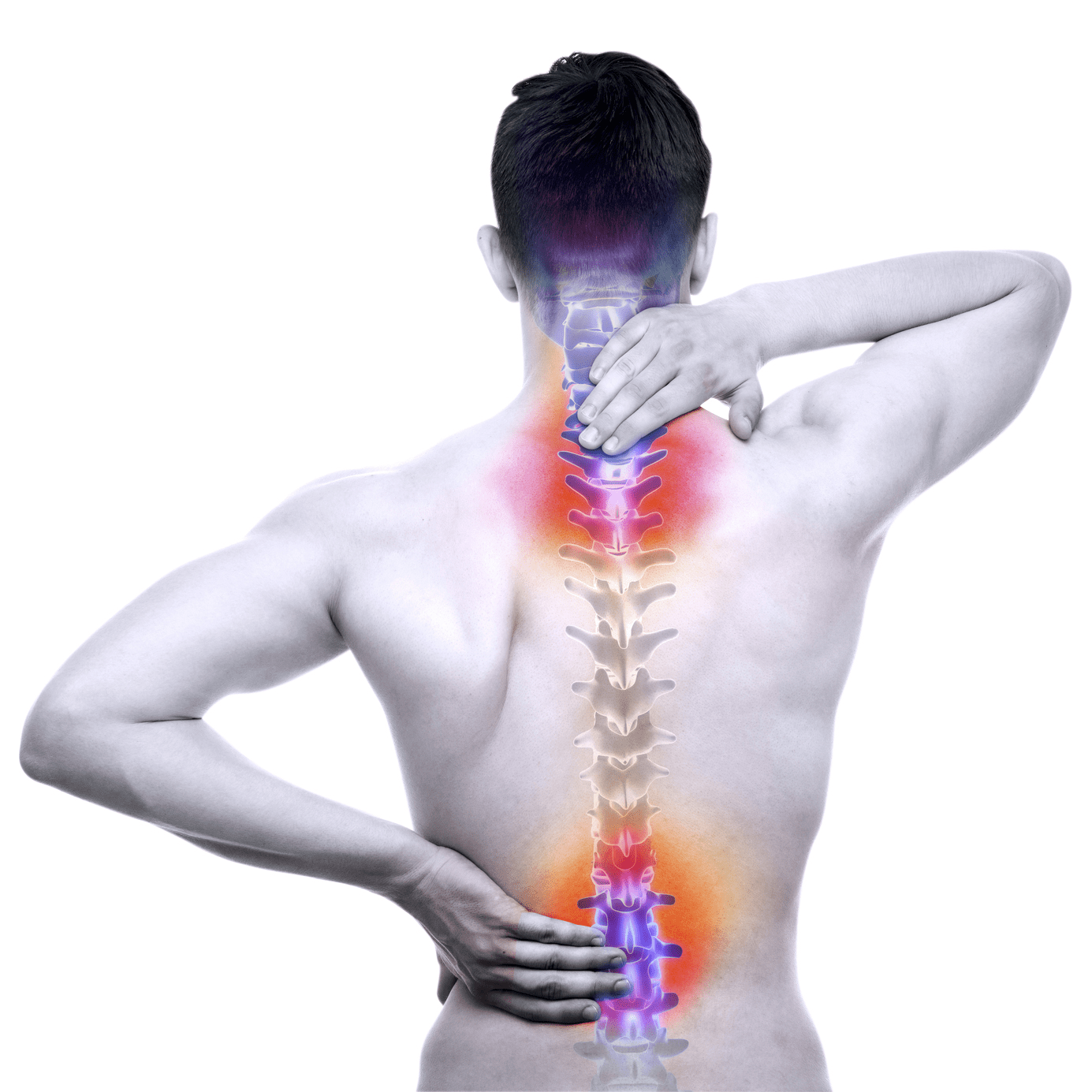
After a foot fracture, symptoms usually show up right away. You might feel sharp pain that gets worse when you try to stand, walk, or even lightly touch the area. Swelling and bruising are common, and in some cases, your foot may look different or feel unstable. Paying attention to these signs early and getting your foot checked can make a big difference.
- Sharp pain that worsens with movement or pressure
- Swelling in the foot or ankle
- Bruising around the injury
- Difficulty walking or bearing weight
- Changes in the shape or alignment of your foot
Custom Orthopedic Treatment Made for You, with You
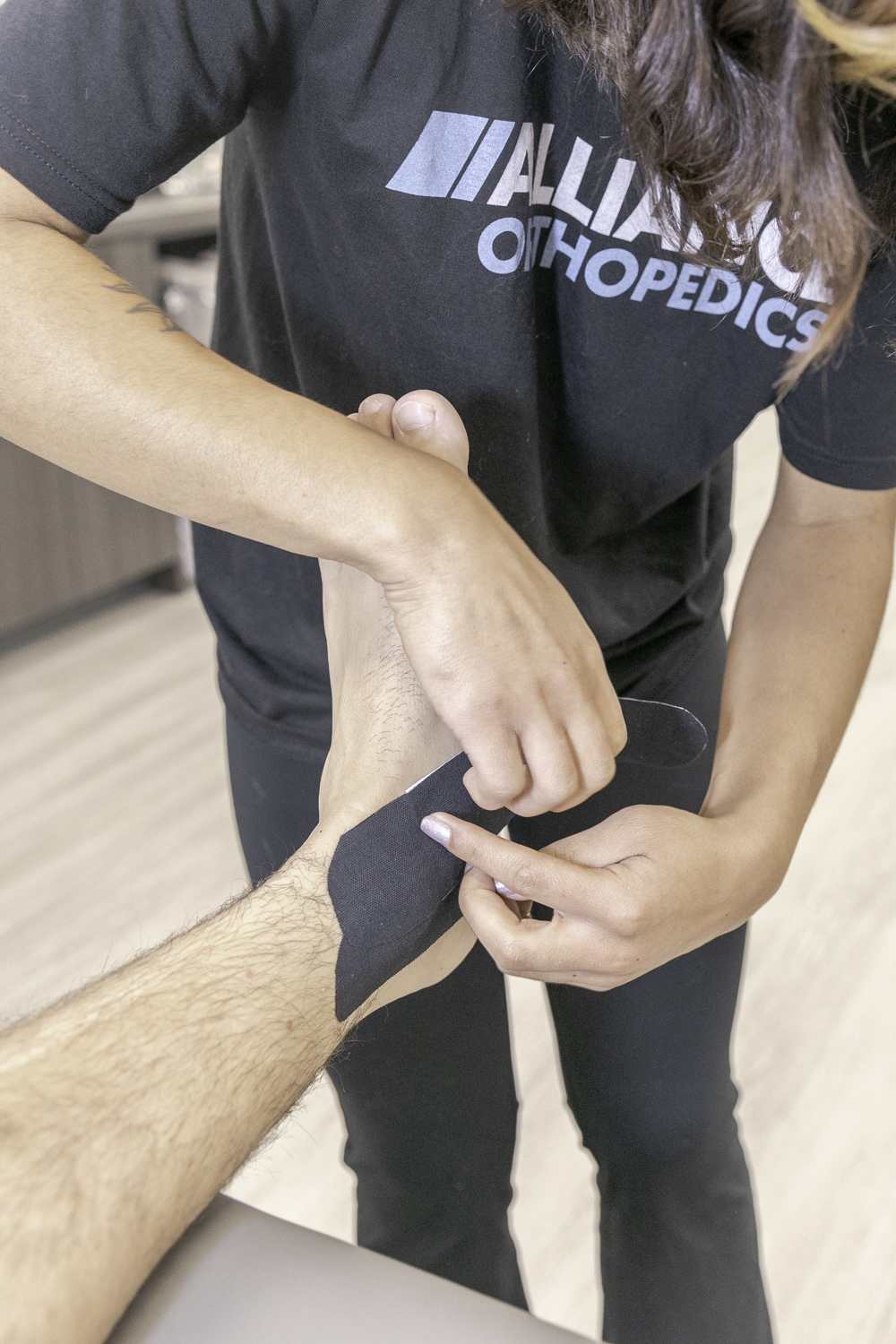
Choose Alliance Orthopedics for care that revolves around you. We listen, collaborate, and create a custom orthopedic treatment plan that fits your life, your goals, and your recovery!
How a Broken Foot Is Diagnosed
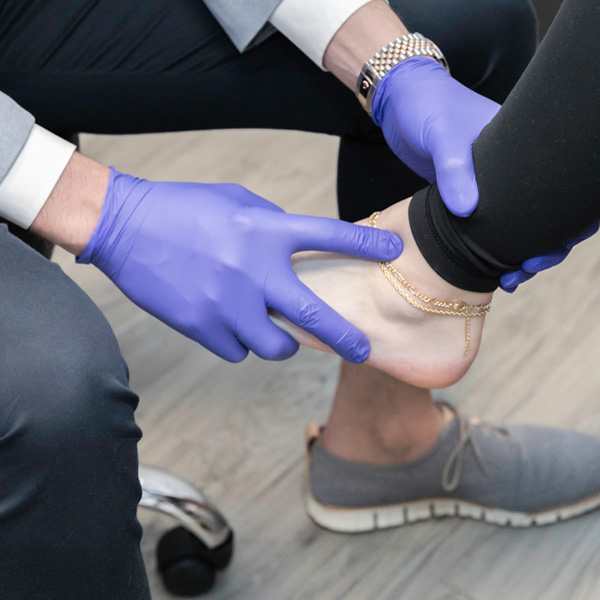
Diagnosing a broken foot usually starts with a conversation about how your injury happened, followed by a hands-on exam. Your doctor will look for swelling, tenderness, and any visible changes in your foot, as well as how well you’re able to move or put weight on it.
Imaging tests are generally used to confirm the diagnosis and understand the severity of the fracture.. These tests help show exactly where the bone is broken, whether it has shifted out of place, and if any surrounding ligaments or soft tissues are involved.
- X-ray: Used to identify fractures and check bone alignment
- MRI: Helps detect stress fractures and soft tissue injuries, such as ligament damage
- CT scan: Provides a more detailed look at complex or multiple fractures
- Bone scan: Can reveal subtle or overuse-related fractures that may not appear on other imaging
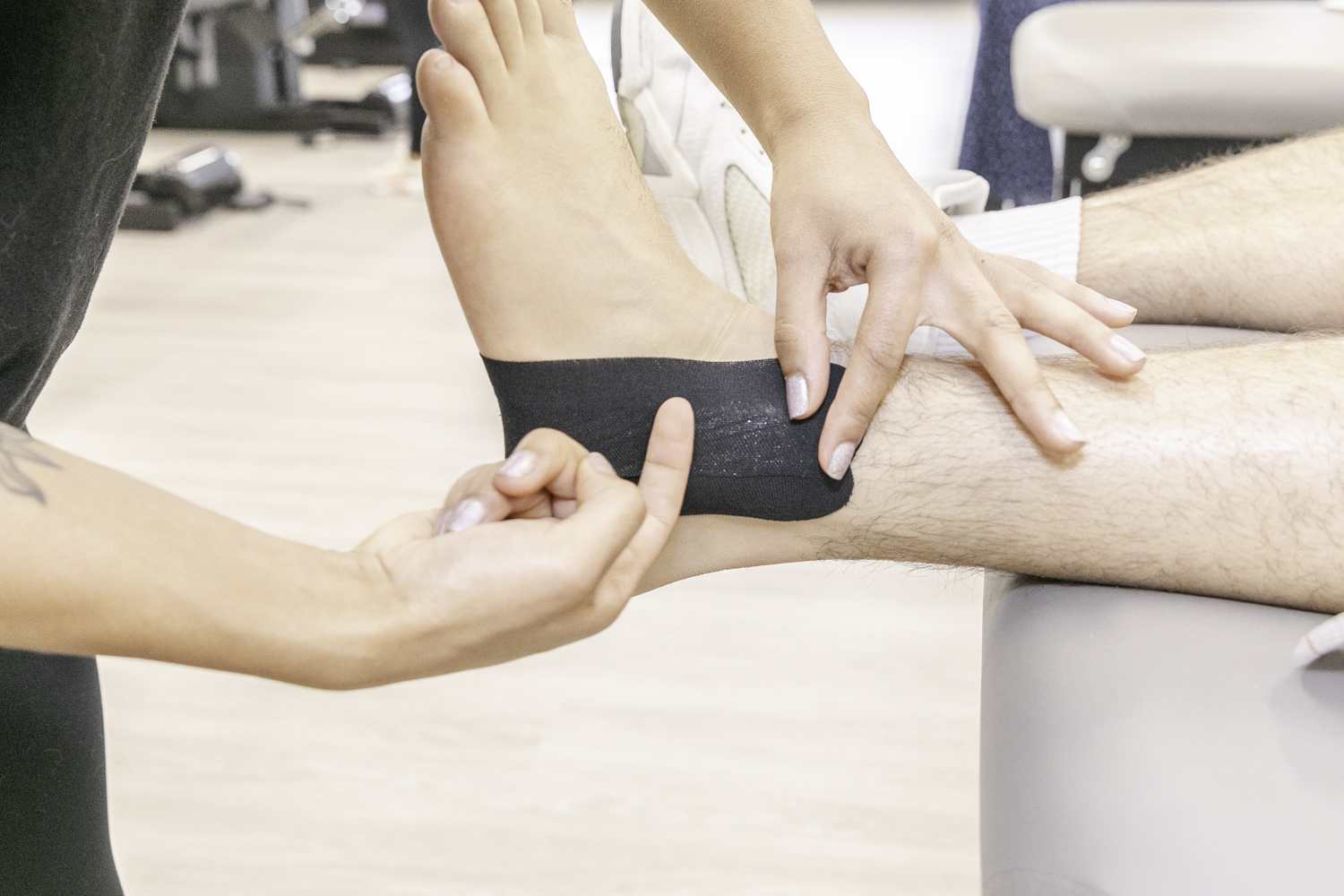
Non-Surgical Broken Foot Treatments in NJ
If your foot fracture is stable and the bones haven’t shifted, you likely won’t need surgery. Treatment focuses on protecting your foot, easing pain and swelling, and letting the bone heal naturally. With the right support, most of our patients recover well without any surgery.
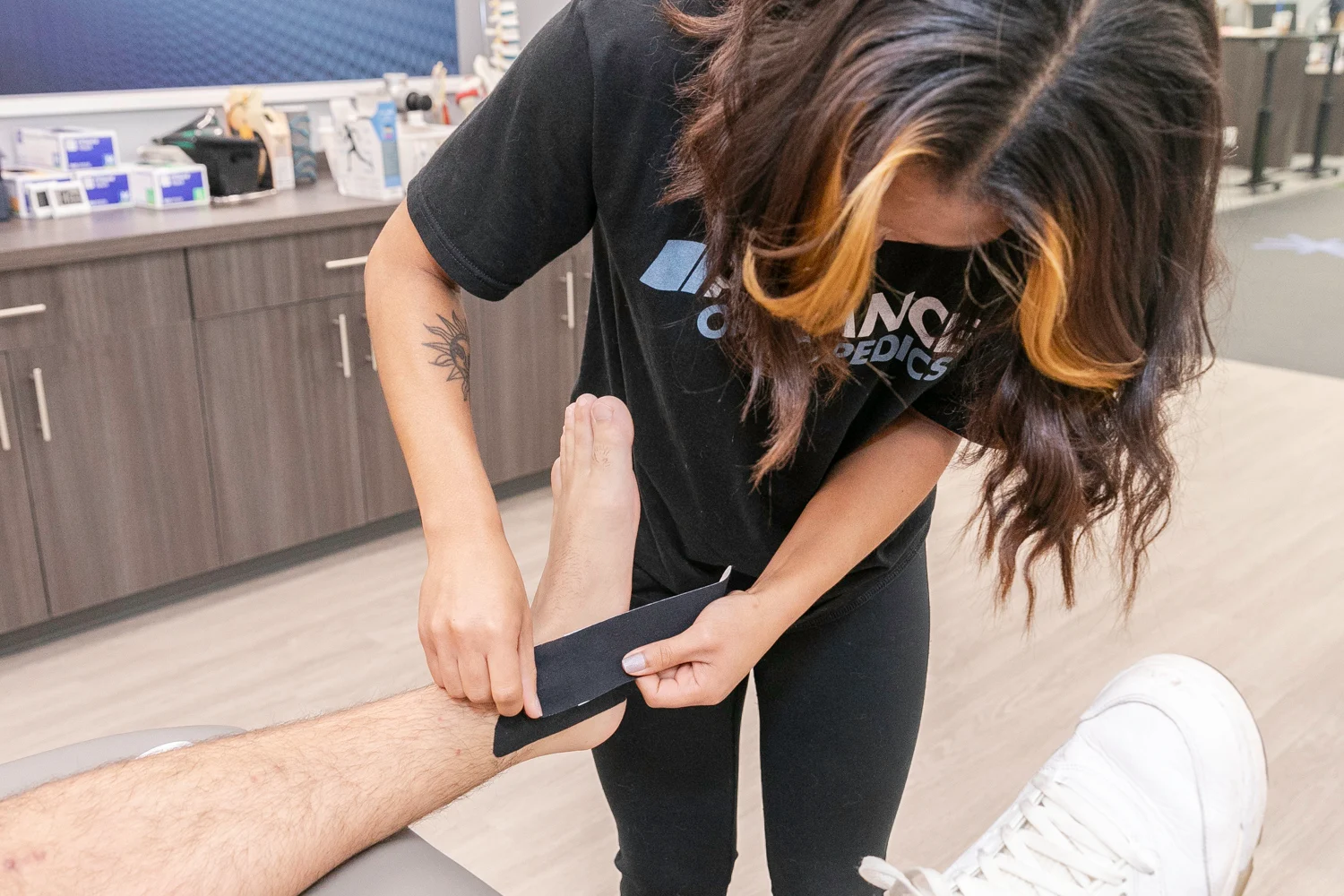
A splint is often used right after the injury to keep your foot supported and protected. It holds everything in place without being too tight, which is important while swelling is still changing. Splinting helps reduce pain and prevents movement that could slow down healing in the early stages.
Swelling can make your foot feel tight, sore, and harder to move. Applying ice for 15 to 20 minutes at a time can help reduce inflammation. Keeping your foot elevated above heart level, especially in the first few days, also helps control swelling. Together, they can make a noticeable difference in both pain and comfort early on.
As you start walking more, your foot may feel different than it did before the injury. Custom orthotics can help support your foot, improve alignment, and take pressure off sensitive areas. They make walking feel more natural again and help prevent extra strain while you’re still healing.
Once your foot is ready, physical therapy helps you get back to moving normally. You’ll work on rebuilding strength, improving flexibility, and fixing any changes in how you walk. It’s a big part of getting you back to your routine without lingering stiffness or instability.
Laser therapy is a simple, non-invasive way to help with pain and inflammation. It works by stimulating the tissue beneath the surface, which can improve circulation and support healing. Many of our patients find it helps take some of the soreness out of recovery as they start moving more.
When you’re not moving as much, your muscles can start to weaken. Electrical stimulation helps keep them active using small, controlled pulses. It can also help with pain, making it easier to stay comfortable and keep progressing as your foot continues to heal.
Getting back to walking can feel a little intimidating at first. The AlterG treadmill helps by taking some of your body weight off your foot, so you can move without as much pressure. It’s a great way to rebuild confidence and ease back into normal walking safely.
Broken Foot Surgery in NJ
If your foot fracture is more severe or the bones have shifted out of place, surgery may be the best way to make sure everything heals correctly. The goal of surgery is to realign the bones, stabilize the area, and help restore normal function in your foot.
At Alliance Orthopedics, surgery is only recommended when it’s truly needed. We take a conservative approach to surgery, only recommending it when non-surgical options have failed or aren’t possible.
Your foot and ankle specialist will walk you through your options, explain what to expect, and build a plan around your specific injury and lifestyle. Many procedures are designed to be as minimally invasive as possible, helping reduce recovery time and get you moving again sooner.
When the bones are out of alignment, ORIF is often used to carefully reposition them. Your foot and ankle surgeon places the bones back where they belong and secures them with plates and screws to hold everything steady while it heals, helping restore the natural shape and strength of your foot.
In some cases, small pins can be used to hold the bones in place without making a large incision. It’s a less invasive approach and still provides the stability needed for better healing. The pins are usually temporary and are removed once the bone has healed.
For more complex or severe foot fractures, external fixation may be used, which involves placing small pins in the bone that are connected to a frame outside the body. It helps keep everything aligned while the injury heals, especially when there is significant swelling or soft tissue damage.
If a joint is too damaged to move the way it should, fusion may be the best option. It connects the bones together to stop painful movement and create more stability. While that joint won’t move anymore, most patients find it makes everyday activities more comfortable and reliable.
Broken Foot Recovery Time
Recovering from a broken foot takes time, and the exact timeline depends on the type of fracture, how severe it is, and how well you follow your treatment plan. Most fractures begin to heal within 6 to 8 weeks, but full recovery can take a few months, especially if the injury was more complex.
In the early stage, your foot is protected in a splint, cast, or walking boot while swelling comes down and the bone starts to heal. During this time, you may need to avoid putting weight on your foot and use crutches or a scooter to get around.
As healing progresses, your doctor will gradually allow you to begin weight-bearing. This transition is important and usually happens slowly to avoid setbacks. Follow-up X-rays are often used to make sure the bone is healing properly before increasing activity.
Once your foot is stable, physical therapy may be recommended to help you rebuild strength, improve flexibility, and get back to a normal walking pattern. It’s common to feel some stiffness or weakness at first, but this improves as you continue moving and strengthening the area.
Most people return to normal daily activities within 8 to 12 weeks, while higher-impact activities like running or sports may take closer to 3 to 6 months. Staying consistent with your recovery plan, avoiding too much activity too soon, and listening to your body all play a big role in how you heal.
Broken Foot FAQs
It can be hard to tell the difference on your own. Both injuries can cause pain, swelling, and difficulty walking. A broken foot often comes with more intense pain, bruising, or visible changes in shape. If you can’t put weight on your foot or symptoms aren’t improving, it’s best to get it checked.
Walking on a broken foot too soon can make the injury worse or delay healing. Even if the pain feels manageable, putting weight on the foot before it’s ready can cause the bones to shift. Your doctor will let you know when it’s safe to start walking and how to ease back into it.
No, many broken foot injuries heal well without surgery, especially if the bones are still in place. Non-surgical treatments like splinting, boots, and rest are often enough. Surgery is usually only recommended if the bones are misaligned, unstable, or involve the joint and need to be repositioned.
If a broken foot isn’t treated properly, it may heal incorrectly, which can lead to long-term pain, stiffness, or problems with walking. In some cases, it can also increase the risk of arthritis or require surgery later on. Getting evaluated early helps make sure your foot heals the right way.
Why Choose Alliance Orthopedics to Treat Your Broken Foot?
At Alliance Orthopedics, you’ll work with experienced foot and ankle specialists in New Jersey who take the time to understand your injury, your lifestyle, and your goals for recovery.
From your first visit through rehab, your care is coordinated every step of the way. With on-site imaging, physical therapy, and advanced treatment options, you don’t have to bounce between different providers. Everything is designed to make your recovery as smooth and efficient as possible.
Whether your injury can heal with more non-surgical approaches or surgery, the focus is always the same, helping you get better every day.

Foot and Ankle Surgeons in New Jersey
At Alliance Orthopedics, your care is led by experienced foot and ankle specialists who focus on diagnosing and treating a wide range of injuries, including broken feet. They take the time to understand how your injury happened, what you’re feeling, and what you need to get back to your normal routine.




Orthopedic Clinics in New Jersey
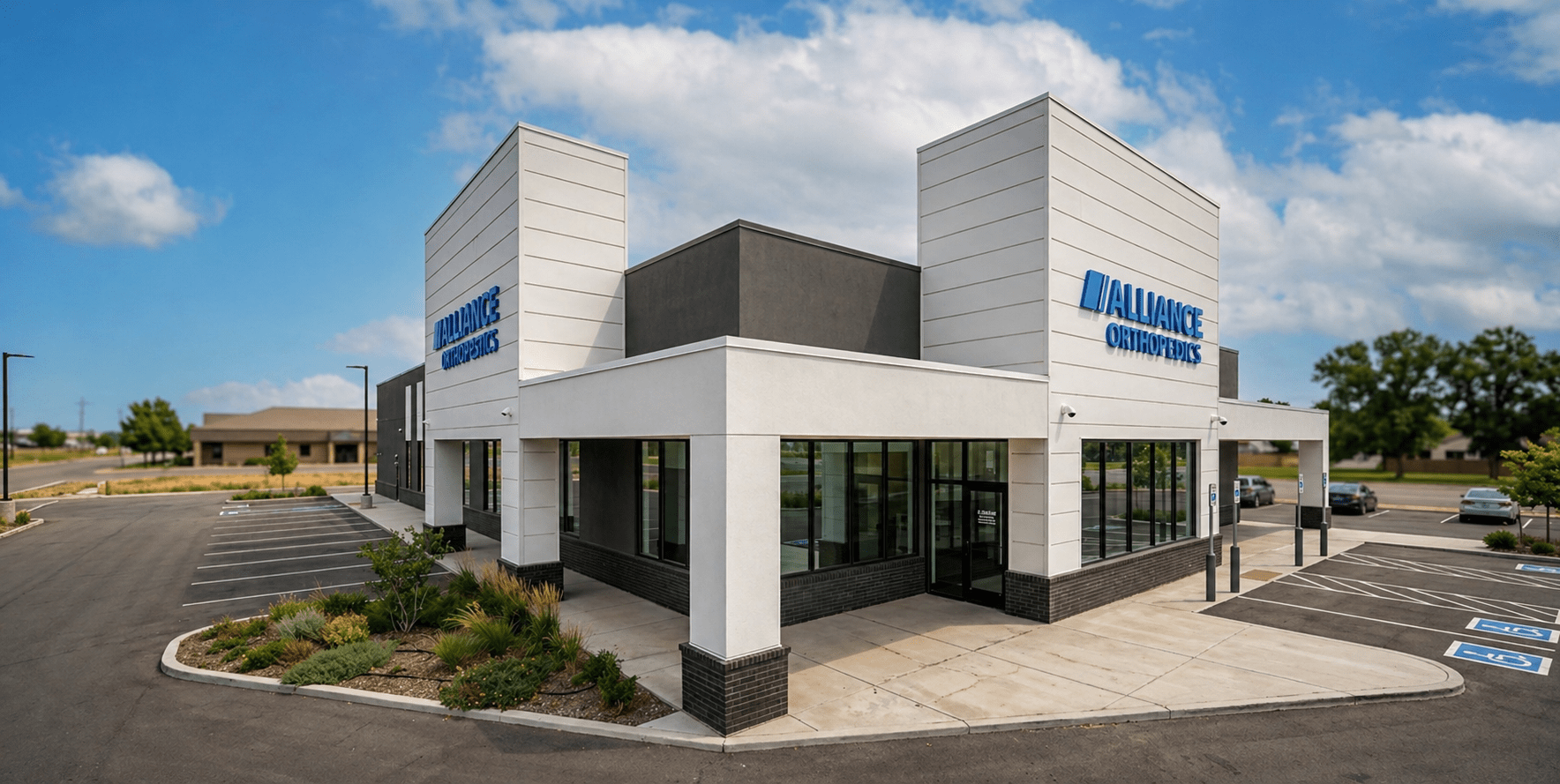
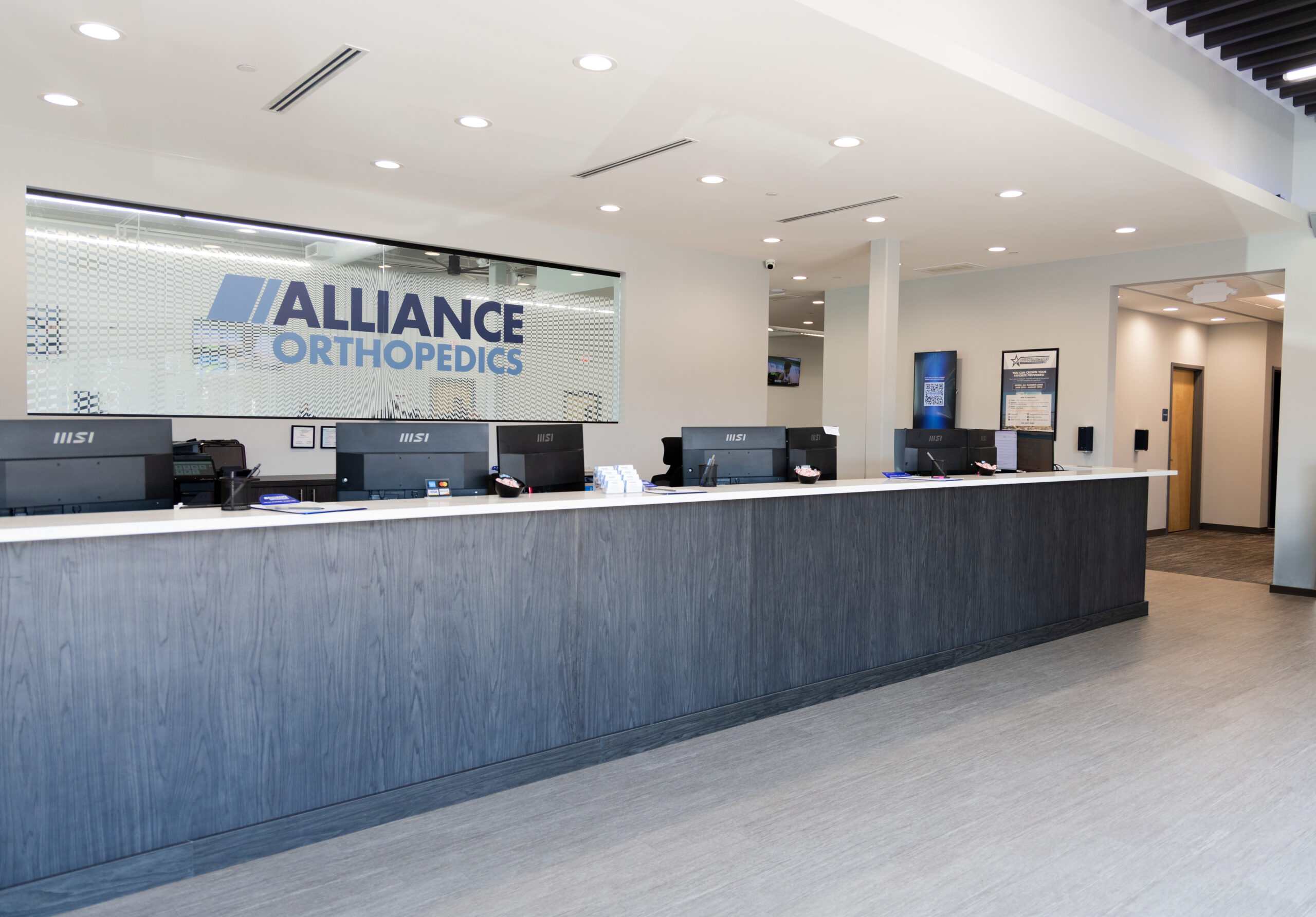
At Alliance Orthopedics, we have multiple orthopedic clinics across New Jersey, making it easier for you to receive expert foot and ankle treatment close to home. With convenient locations throughout the region, you can schedule evaluations, imaging, and follow-up visits without traveling far. Having several clinics also allows you to choose the location that best fits your schedule while still receiving coordinated care throughout your recovery.

Discover More Foot and Ankle Treatments
Recent Blogs