Broken Toe Treatment in New Jersey
Page Navigation
Page Navigation
What is a Broken Toe (Fractured Toe)?
A broken toe, also called a toe fracture, occurs when one of the small bones in your toe cracks or breaks due to a direct impact or sudden twisting force. Your toes play an important role in balance and push-off during walking, so even a small fracture can make everyday movement uncomfortable.
Most broken toes happen after a sudden injury, such as stubbing your toe or dropping something heavy on your foot. The injury may involve a small crack in the bone or a more serious fracture where the bone shifts out of place. While many toe fractures heal well with simple treatments, such as buddy taping and protective footwear, more severe injuries may require realignment or additional care to make sure your toe is healing correctly.
At Alliance Orthopedics, we treat fractured toes using non-surgical treatments whenever possible and surgery when more severe breaks require it. Throughout your recovery, our team will help monitor your recovery and help you get better every day.
Broken Toe Causes
Toe fractures happen when sudden direct force or awkward twisting overloads these delicate bones during everyday tasks or sports, like stubbing your toe on furniture or getting stepped on in a game. Your risk rises with brittle bones from age, osteoporosis, or certain medications, making prevention important through supportive footwear, home safety, and regular balance training to reduce trips and falls.
- Stubbed toes hitting furniture corners
- Dropped heavy items crushing tips
- Basketball pivots, jamming the great toe
- Hiking rocks rolling under the forefoot
- Ski boot compression squeezes phalanges
- Osteoporosis weakens bone resistance
Broken Toe Symptoms
If you break a toe, you’ll usually notice symptoms right away. Pain is often the first sign, and it may get worse when you try to walk or put weight on your foot. Swelling and bruising commonly develop soon after as your body responds to the injury. In some cases, your toe may also appear crooked or misaligned if your bone has shifted. If you experience any of the following symptoms, it may be time to see one of our foot and ankle specialists in New Jersey.
- Sharp pain in the toe right after the injury
- Swelling around the toe or front of the foot
- Bruising or discoloration, which may appear red, purple, or blue
- Tenderness when touching the toe
- Difficulty bending or moving the toe
- Pain when walking or wearing shoes
Custom Orthopedic Treatment Made for You, with You
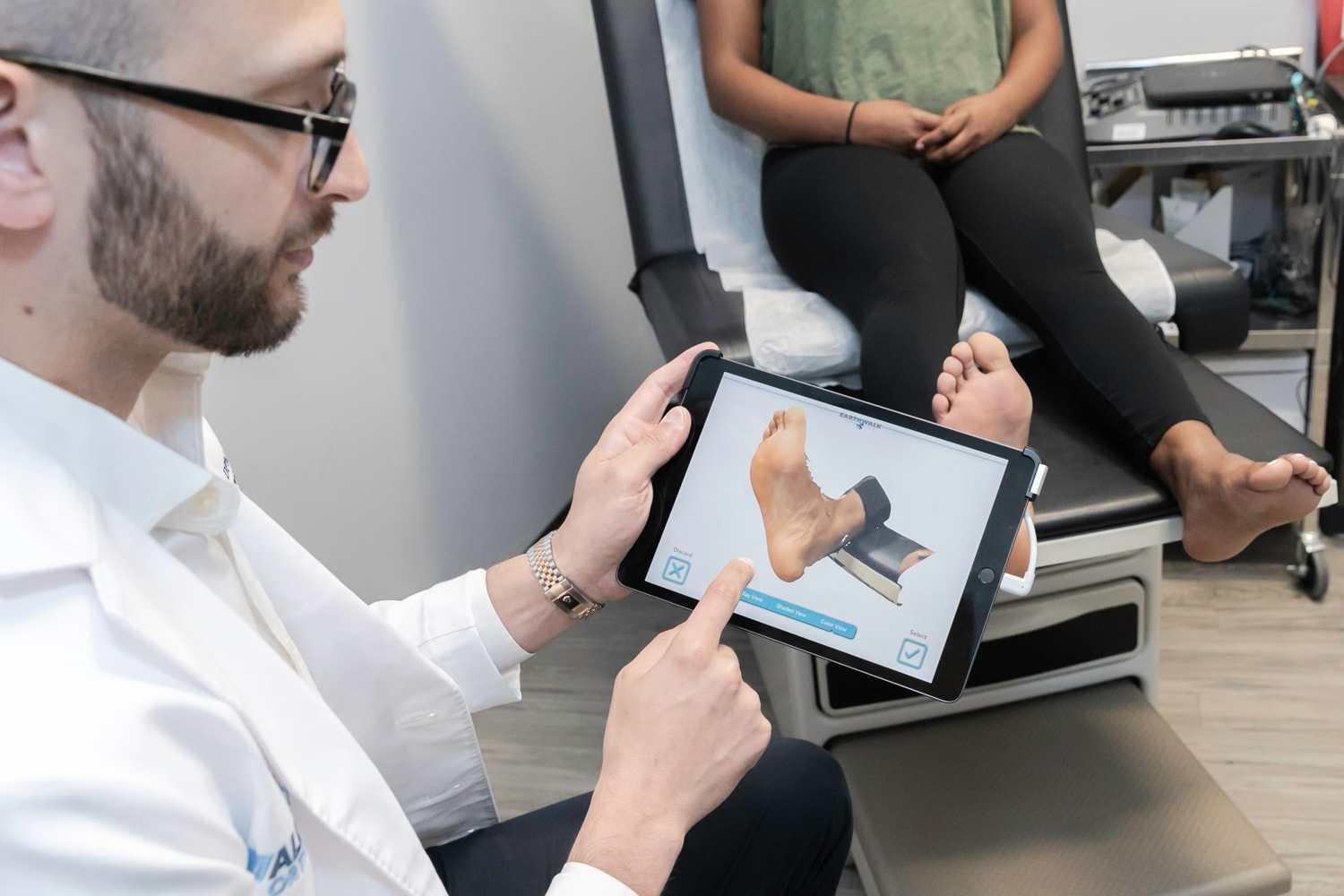
Choose Alliance Orthopedics for care that revolves around you. We listen, collaborate, and create a custom orthopedic treatment plan that fits your life, your goals, and your recovery!
How a Broken Toe Is Diagnosed
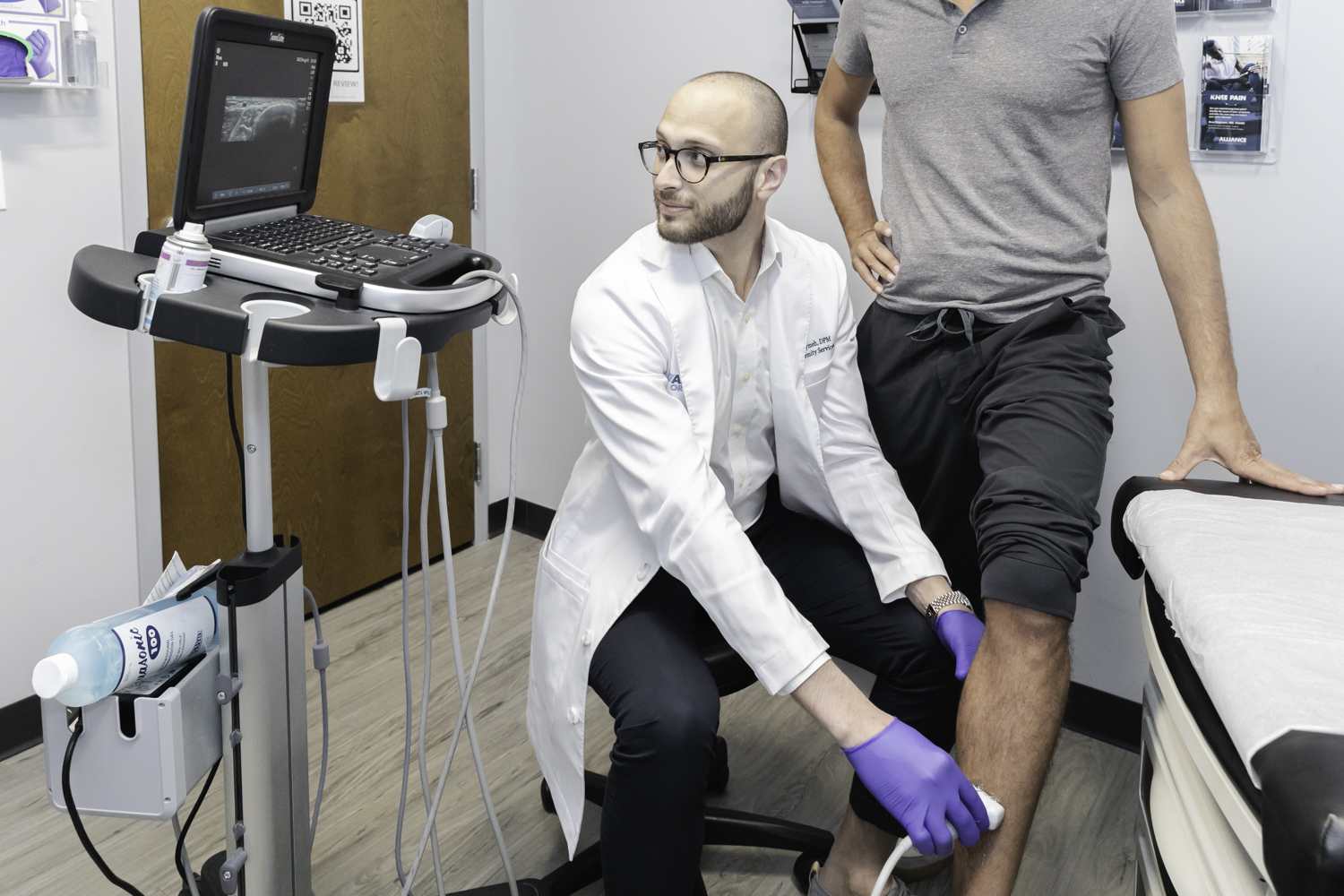
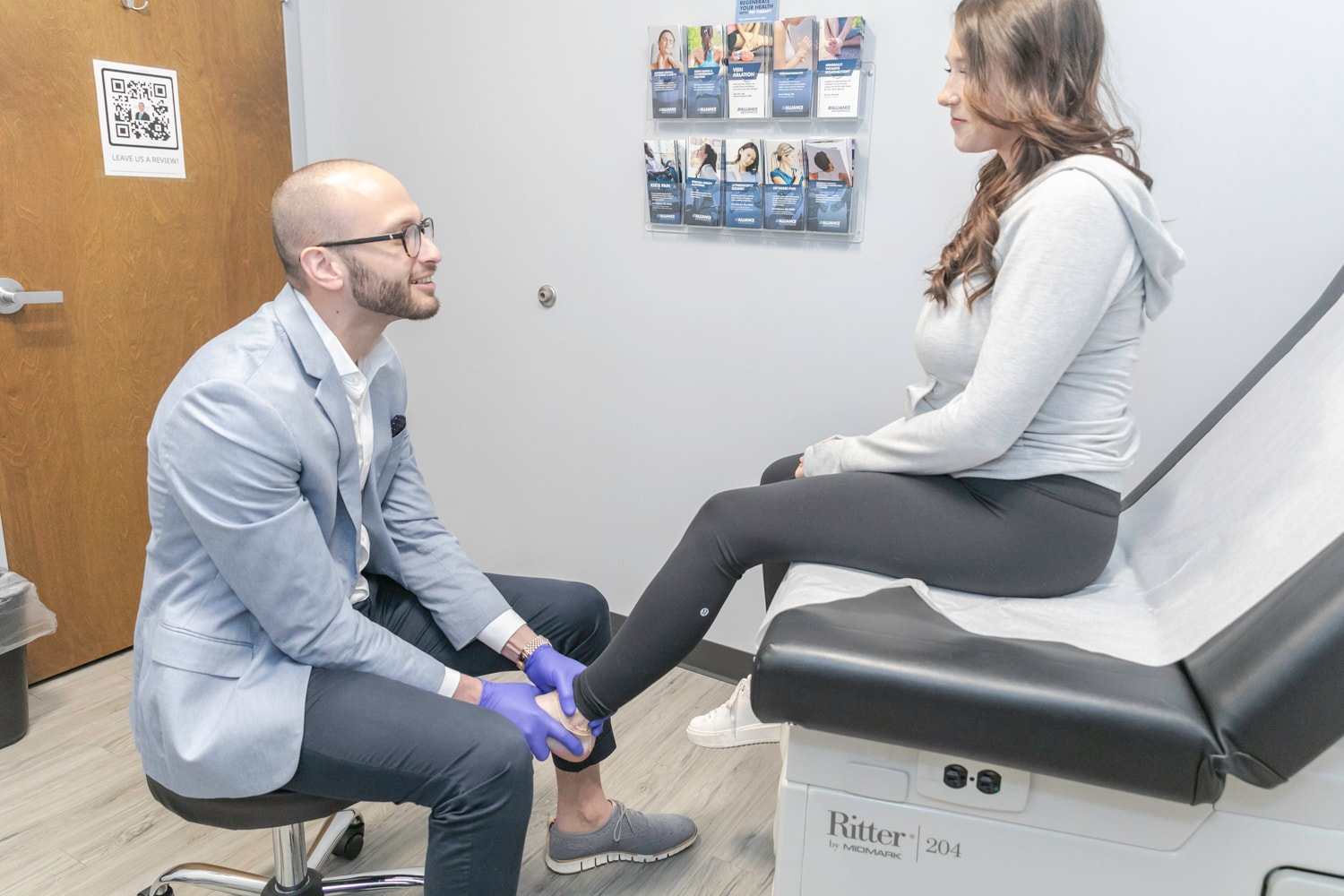
Diagnosing a broken toe begins with a hands-on exam of your foot. Your doctor will look for swelling, bruising, tenderness, and any visible deformity. They may also gently move the toe to check for pain and assess how the joint is functioning.
An X-ray is typically used to confirm whether the bone is fractured. X-rays allow your doctor to see the location of the break and determine whether the bone fragments have shifted out of place. Understanding the exact type of fracture helps guide your treatment plan for your toe. However, additional imaging may be considered if there is concern about a broken joint or more serious injury.
- X-ray: It shows where the bone is cracked or broken and whether the pieces have moved out of place.
- MRI: Creates detailed images of both bone and soft tissue and may be used if the toe fracture is small or difficult to see on an X-ray.
- CT Scan: Provides more detailed images of the bone and may be used if the fracture is more severe.
Non-Surgical Broken Toe Treatments in NJ
Most broken toes can heal without surgery. If the bone remains in its normal position, treatment focuses on protecting the toe while it heals and reducing pain and swelling so you can stay as comfortable and mobile as possible.
At Alliance Orthopedics, your treatment depends on the type of fracture, the location of the break, and how much the bone has shifted. Many toe fractures heal successfully with simple stabilization techniques that keep the toe supported while the bone repairs itself.
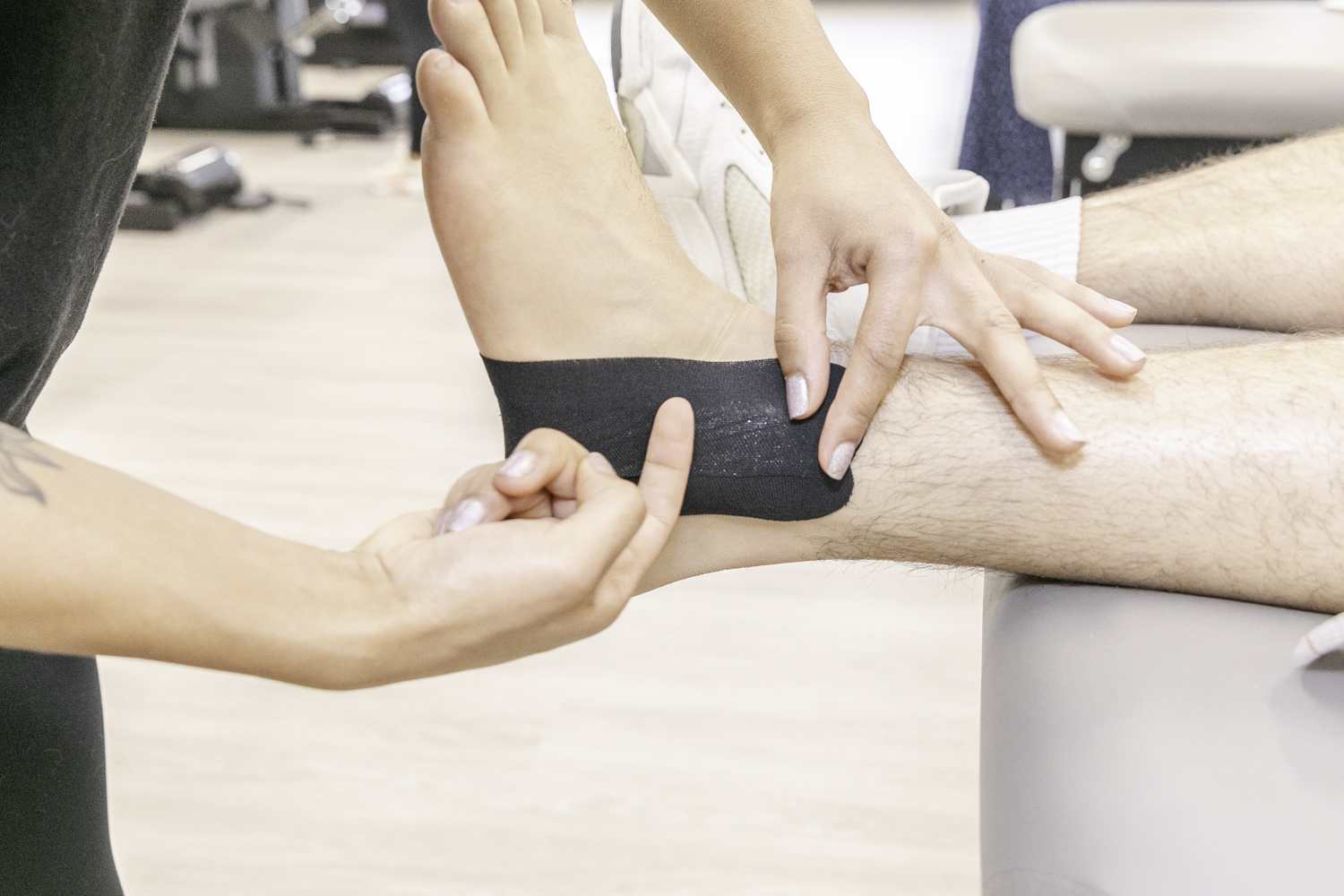
Buddy taping is one of the most common treatments for a broken toe. Your injured toe is gently taped to the neighboring toe so the stronger toe can act as a natural splint. Taping helps keep the fractured bone aligned while limiting unnecessary movement during the healing process.
A small piece of padding is usually placed between the toes to prevent irritation and keep the skin comfortable. Buddy taping is typically worn for three to four weeks, depending on how quickly your toe heals and the severity of the fracture.
During the early stages of a broken toe, splinting may be used to provide additional support and protection. A splint helps keep the toe in a stable position while allowing room for swelling, which is common after injury. This added support reduces pain, prevents further stress on the fracture, and helps create the right conditions for proper bone healing.
Ice and elevation can help reduce swelling and discomfort during the early stages of healing. Applying ice packs to your foot for 15 to 20 minutes at a time several times a day can help calm inflammation and ease pain.
Keeping your foot elevated, especially during the first few days after the injury, helps reduce swelling by encouraging fluid to move away from the injured area.
Wearing a stiff-soled or rigid walking shoe can help protect your toe while it heals. These shoes reduce bending in the front of your foot, which helps limit movement in the injured toe when you walk.
By keeping the toe more stable, a stiff-soled shoe reduces pressure on the fracture and allows the bone to heal more comfortably. Many patients wear this type of protective footwear until their pain improves and walking becomes easier.
As your toe begins to heal and your pain improves, physical therapy can help restore normal movement and strength in your foot. You’ll work through guided exercises designed to improve flexibility, support the surrounding muscles, and restore proper walking mechanics. This helps prevent stiffness and reduces the risk of long-term discomfort or changes in how you move.
Laser therapy can help reduce inflammation and support tissue healing during your recovery. This treatment uses targeted light energy to improve circulation and stimulate repair at a cellular level. By addressing deeper inflammation, laser therapy can help decrease discomfort and support a smoother transition as you return to normal activity.
Electrical stimulation helps keep the muscles in your foot active while reducing pain during recovery. This treatment uses gentle electrical impulses to activate weakened muscles, improve circulation, and decrease discomfort. It can be especially helpful when movement is limited, helping maintain function as your toe continues to heal.
As you begin returning to normal walking, the AlterG anti-gravity treadmill allows you to move with less pressure on your foot. By reducing your body weight, it creates a controlled environment where you can safely rebuild strength and improve your walking pattern without overstressing the healing toe. This helps you regain confidence and progress more comfortably.
Broken Toe Surgery in New Jersey
Surgery for a broken toe is uncommon, but it may be recommended if the fracture is severe. Our foot and ankle surgeons in New Jersey may perform surgery if the bone has shifted out of position, the fracture involves the joint, or the toe appears extremely crooked.
If surgery is needed, our goal is to carefully reposition the bone fragments and stabilize them so the toe heals in the correct alignment. Proper alignment helps restore your normal foot and toe function and reduces the risk of long-term complications such as joint stiffness or arthritis.
If your broken toe is significantly displaced or involves multiple fragments, open reduction and internal fixation (ORIF) may be recommended. During this procedure, your foot and ankle surgeon in New Jersey repositions the bone into proper alignment and secures it using small screws or plates. This stabilizes the fracture, promotes proper healing, and helps restore normal toe structure and function over time.
For certain unstable or misaligned fractures, percutaneous pinning may be used to hold the bone in place while it heals. Percutaneous pinning is a minimally invasive procedure involving inserting small pins through the skin to stabilize the fractured toe. Pinning helps maintain alignment without a large incision and is often used when the fracture needs additional support beyond taping or splinting.
Broken Toe Recovery Time
Most broken toes heal in about 4–6 weeks, though the exact recovery time depends on the type of fracture and how well the toe is protected during healing. During the first 1–2 weeks, pain and swelling are usually the most noticeable. Keeping the toe supported with buddy taping, wearing a stiff-soled shoe or protective boot, and limiting pressure on the front of your foot can help protect the fracture while the bone begins to heal.
By weeks 3–4, swelling typically improves and walking becomes more comfortable, though the toe still needs protection to prevent bending or reinjury. Many of our patients continue buddy taping during this stage and gradually increase normal daily activities as pain allows.
Around weeks 4–6, the bone is usually strong enough for a return to normal shoes and more regular walking. Mild soreness or stiffness can still occur, especially after long periods of standing, walking, or activity. Wearing supportive footwear and easing back into activity gradually can help your toe heal and regain its strength.
Broken Toe Frequently Asked Questions
A broken toe can occur in several different ways, depending on how the injury happens and how the bone is affected. Understanding the type of fracture helps your doctor determine the best treatment and how long recovery may take. Common types of toe fractures include:
- Stable (non-displaced) fracture: The bone cracks but stays in its normal position. These are the most common and usually heal well with buddy taping and supportive footwear.
- Displaced fracture: The broken pieces of bone move out of alignment and may need to be repositioned so the toe heals correctly.
- Stress fracture: A small crack that develops gradually from repetitive stress, often seen in runners or athletes.
- Comminuted fracture: The bone breaks into multiple pieces, typically from a higher-impact injury.
- Intra-articular fracture: The fracture extends into the joint of the toe, which may increase the risk of stiffness or arthritis if not treated properly.
Some broken toes may heal on their own, but leaving the injury untreated can sometimes lead to complications. If the toe is not properly supported while it heals, the bone may heal in the wrong position. When this happens, you may develop issues such as:
- Chronic toe pain
- Crooked or misaligned toe
- Difficulty wearing certain shoes
- Changes in how you walk
- Joint stiffness or arthritis over time
It can be difficult to tell whether your toe is broken or simply bruised because both injuries can cause pain, swelling, and tenderness. A bruised toe usually improves within a few days, while a broken toe often causes more persistent pain, swelling, and difficulty putting pressure on the foot. Because the symptoms can be similar, the only way to confirm a fracture is with an X-ray.
Signs that your toe may be broken include:
- Severe pain right after the injury
- Swelling or bruising around the toe
- Pain when walking or putting weight on your foot
- Tenderness when touching the bone
- Your toe looks crooked or out of alignment
Not all heel fractures require surgery. If the bone fragments remain in their normal position, the fracture may heal with non-surgical treatment such as immobilization in a cast or walking boot and strict non-weight-bearing. However, surgery may be recommended when the bone is displaced, the joint surface is involved, or the heel’s shape has changed.
Why Choose Alliance Orthopedics to Treat a Fractured Toe?
A fractured toe may seem like a small injury, but it can quickly make walking, working, and playing sports more difficult. At Alliance Orthopedics, our foot and ankle specialists in New Jersey understand how even minor foot injuries can affect your balance and movement. Your doctor will carefully examine your toe, review imaging if needed, and explain the treatment options that best support your healing. Whether your injury requires simple stabilization or surgery, your care is focused on reducing pain, restoring alignment, and helping you get back to your life.

Foot and Ankle Specialists in New Jersey
At Alliance Orthopedics, you’ll be treated by experienced foot and ankle specialists who focus on diagnosing and treating foot, toe, and ankle injuries. Our doctors work together to make sure you get the best possible care by assessing your injury, listening to your symptoms, answering your questions, and providing you with a treatment and recovery plan that works best for your fractured toe.




Orthopedic Clinics in New Jersey
At Alliance Orthopedics, we have convenient orthopedic clinics throughout New Jersey, making it easier for you to access expert care close to home. With multiple locations, you can schedule appointments, follow-up visits, and imaging without traveling far. Each of our clinics is designed to provide coordinated foot and ankle care so you can move from diagnosis to treatment while focusing on your recovery. We even offer same-day appointments at all of our locations!






Discover More Foot and Ankle Treatments
Recent Blogs