Lower Back Pain Treatment in New Jersey
Page Navigation
Page Navigation
What is Lower Back Pain?
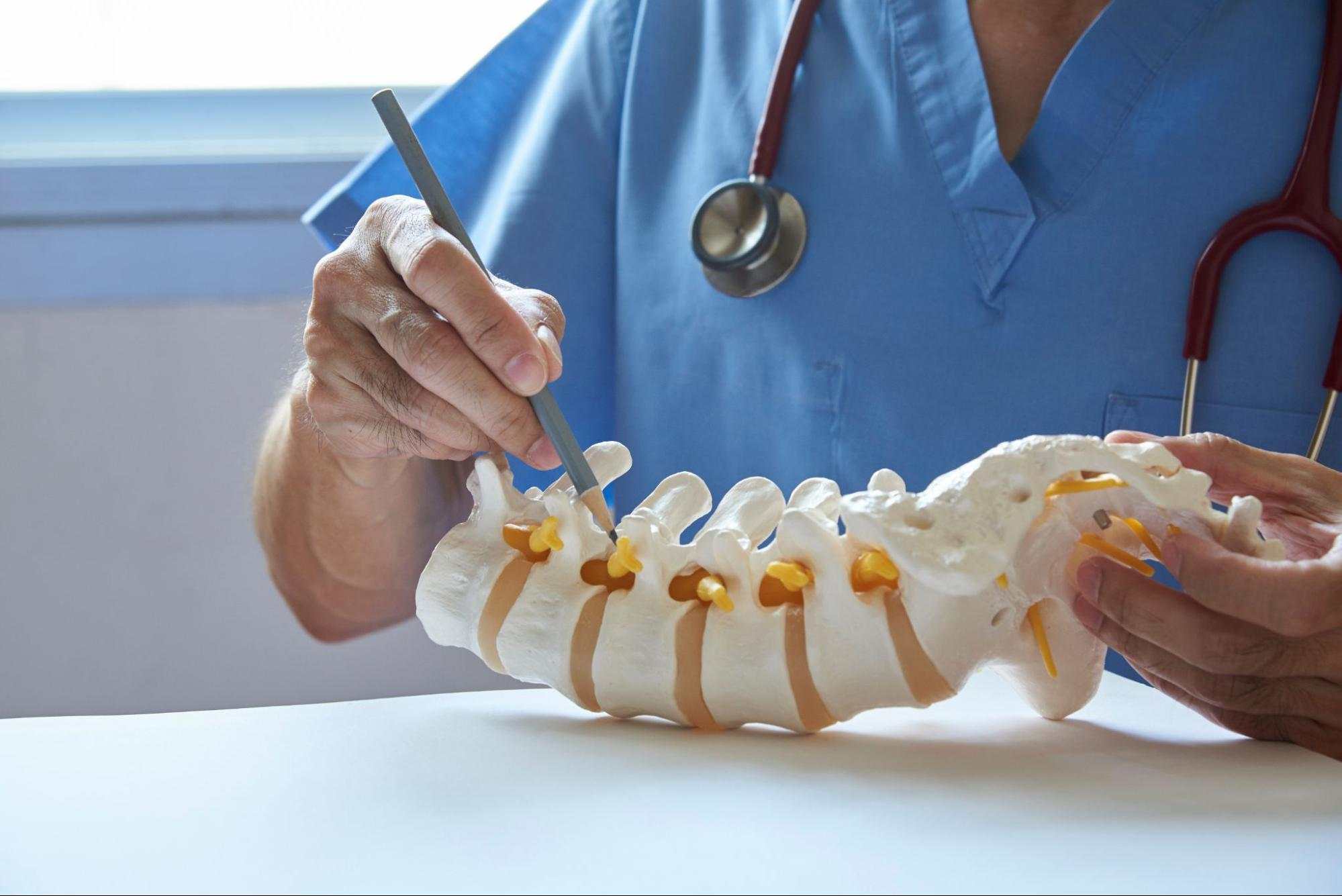
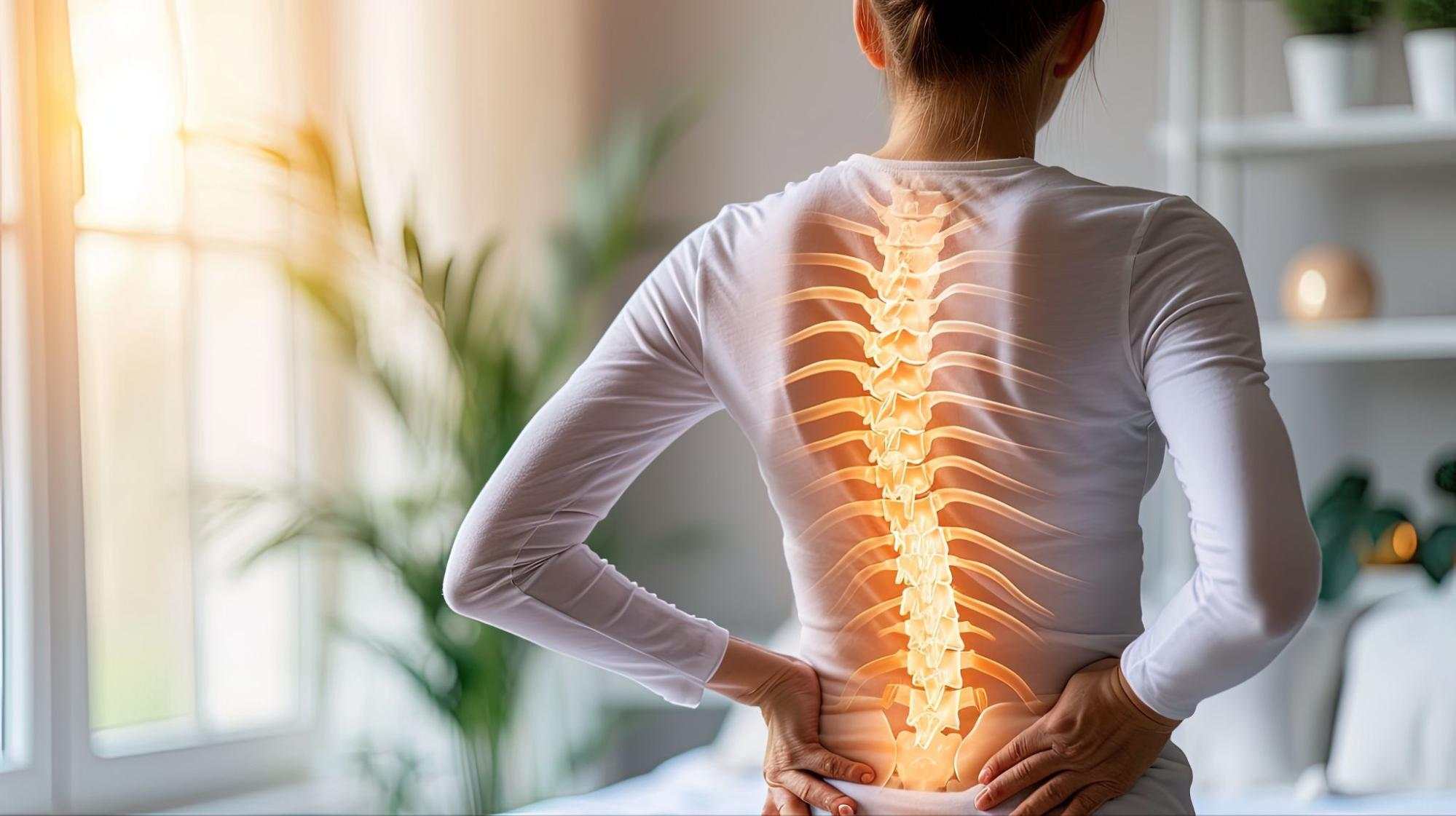
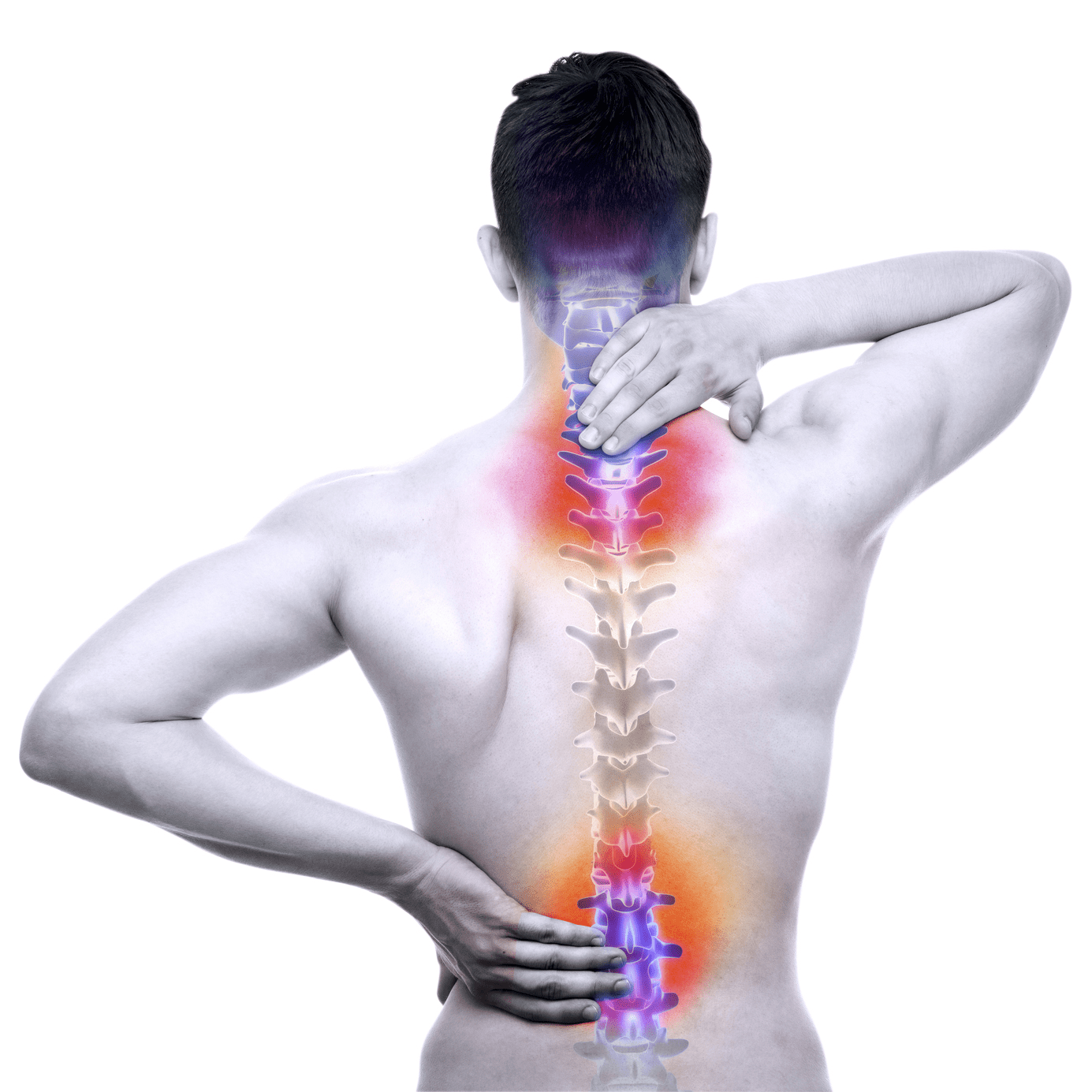
Lower back pain refers to discomfort in the lumbar region, the area between the ribcage and the top of the pelvis, where your spine, muscles, discs, and ligaments work together to support everyday movement. Pain can feel dull and achy, sharp and stabbing, or like burning or tingling that radiates into your hips, buttocks, or legs. Some people notice stiffness or difficulty standing up straight, while others experience symptoms that worsen with lifting, bending, or sitting for long periods. Lower back pain may stem from irritated joints, strained muscles, injured discs, or nerve compression and can be either acute, lasting days to weeks, or chronic, persisting for three months or longer. At Alliance Orthopedics, we have locations across New Jersey that offer lower back pain treatment for patients who are in need of pain relief.
Causes of Lower Back Pain
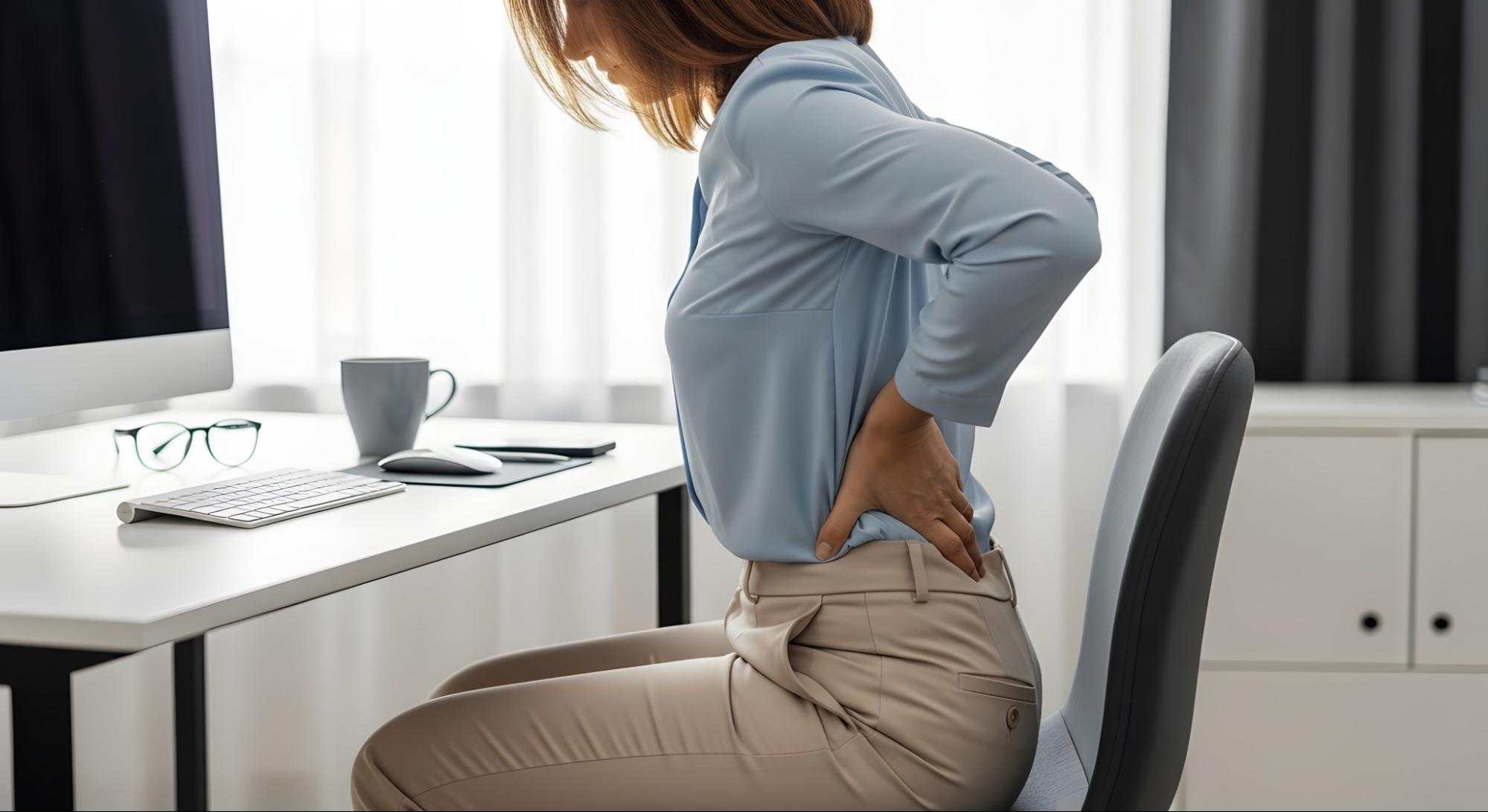
Lower back pain often develops when the structures that stabilize your spine are stressed, irritated, or injured by daily activities, sudden trauma, or gradual wear and tear. Muscles and ligaments can be strained by heavy lifting, awkward twisting, or poor posture, while discs and joints in the spine can degenerate over time, leading to inflammation and nerve compression. In some cases, lower back pain reflects an underlying medical condition, such as arthritis, spinal narrowing, or problems involving the kidneys, abdomen, or reproductive organs, especially in females.
- Muscle strain or ligament sprain from lifting, twisting, or sudden movements
- Herniated or bulging lumbar discs that are placing pressure on spinal nerves
- Degenerative disc disease and age-related disc wear
- Facet joint arthritis or spondylosis (spinal osteoarthritis)
- Spinal stenosis, or narrowing of the spinal canal in the lower back
- Spondylolisthesis, when one vertebra slips forward on another
- Spine fractures related to osteoporosis or trauma
- Scoliosis or abnormal spinal curvature in the lumbar region
- Inflammatory or infectious spine conditions, such as osteomyelitis or discitis
- Gynecologic or pelvic conditions in females, including endometriosis and fibroids
- Pregnancy-related postural and ligament changes that cause lumbar strain
Lower Back Pain Symptoms
Lower back pain symptoms can vary widely, from a mild nuisance after a long day to intense pain that stops you in your tracks. Many people feel aching, soreness, or stiffness across the beltline area, sometimes paired with difficulty bending, twisting, or standing up straight. When nerves are involved, pain may travel into the buttocks, hips, or legs and can be associated with numbness, tingling, or weakness. Symptoms that suddenly worsen, disrupt sleep, or limit your ability to walk, work, or exercise are signals to see a spine specialist.
- Dull, aching pain across the lower back
- Sharp or stabbing pain that worsens with movement
- Stiffness and reduced range of motion in the lumbar spine
- Pain that radiates into the buttocks, hips, or down one or both legs
- Numbness, tingling, or “pins and needles” in the legs or feet
- Muscle spasms or tightness in the lower back
- Pain that increases with prolonged sitting, standing, or driving
- Difficulty standing upright or walking without discomfort
- Symptoms that disrupt sleep or daily activities
Custom Orthopedic Treatment Made for You, with You
Choose Alliance Orthopedics for care that revolves around you. We listen, collaborate, and create a custom orthopedic treatment plan that fits your life, your goals, and your recovery!
How Lower Back Pain Is Diagnosed
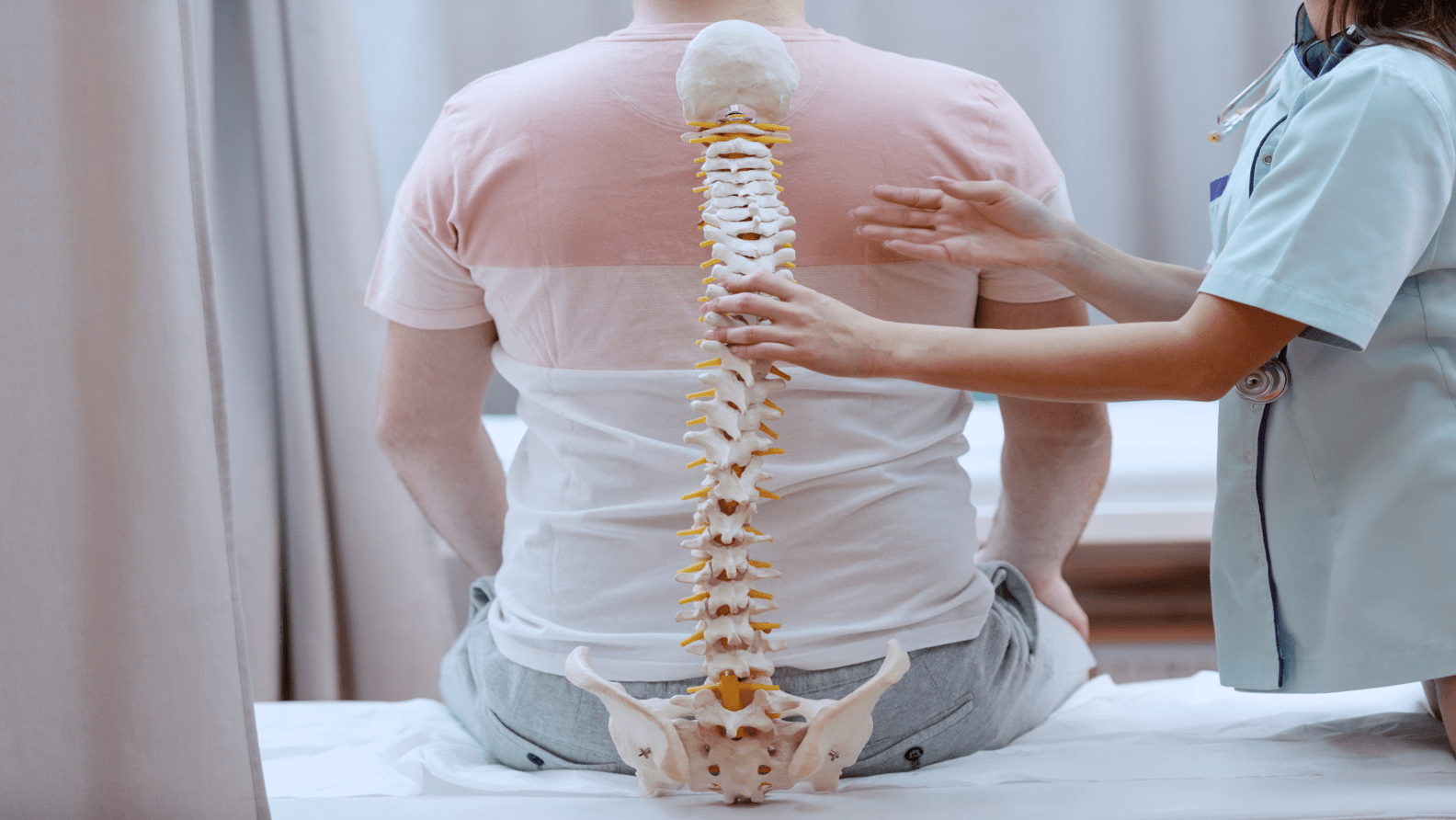
Diagnosing lower back pain starts with a detailed conversation about your symptoms, lifestyle, and medical history, followed by a focused physical exam. Your spine specialist at Alliance Orthopedics in New Jersey evaluates where the pain is located, what movements make it better or worse, and whether there are signs of nerve involvement, such as weakness or altered sensation. Imaging and other tests may be used to confirm the diagnosis, rule out serious conditions, and guide a personalized treatment plan tailored to your needs and goals.
- Physical examination: Assesses posture, range of motion, reflexes, strength, and nerve function to narrow down likely pain sources.
- X-ray: Uses low-dose radiation to show spinal alignment, arthritis, fractures, or significant structural changes in the vertebrae.
- MRI: Magnetic resonance imaging creates detailed images of discs, nerves, ligaments, and soft tissues to detect herniations or stenosis.
- CT scan: Computed tomography scans provide cross-sectional images of bones and joints to evaluate fractures or complex spinal anatomy.
- CT myelography: Combines CT imaging with contrast dye around the spinal cord to highlight nerve compression or spinal canal narrowing.
- Bone scan: Detects areas of increased bone activity that may suggest fractures, infection, or tumors.
- Electromyography (EMG) and nerve conduction studies: Measure electrical activity in muscles and nerves to identify nerve irritation or damage.

Non-Surgical Lower Back Pain Treatments in NJ
Many patients can find effective lower back pain relief without surgery, especially when treatment begins early and addresses both symptoms and underlying causes. At Alliance Orthopedics, our non-surgical treatments focus on easing pain, improving mobility, and strengthening the muscles that support your spine so you can move with confidence again. Your team may combine physical therapy, targeted injections, medications, and lifestyle modifications to create a treatment plan that suits your work, family, and activity levels.
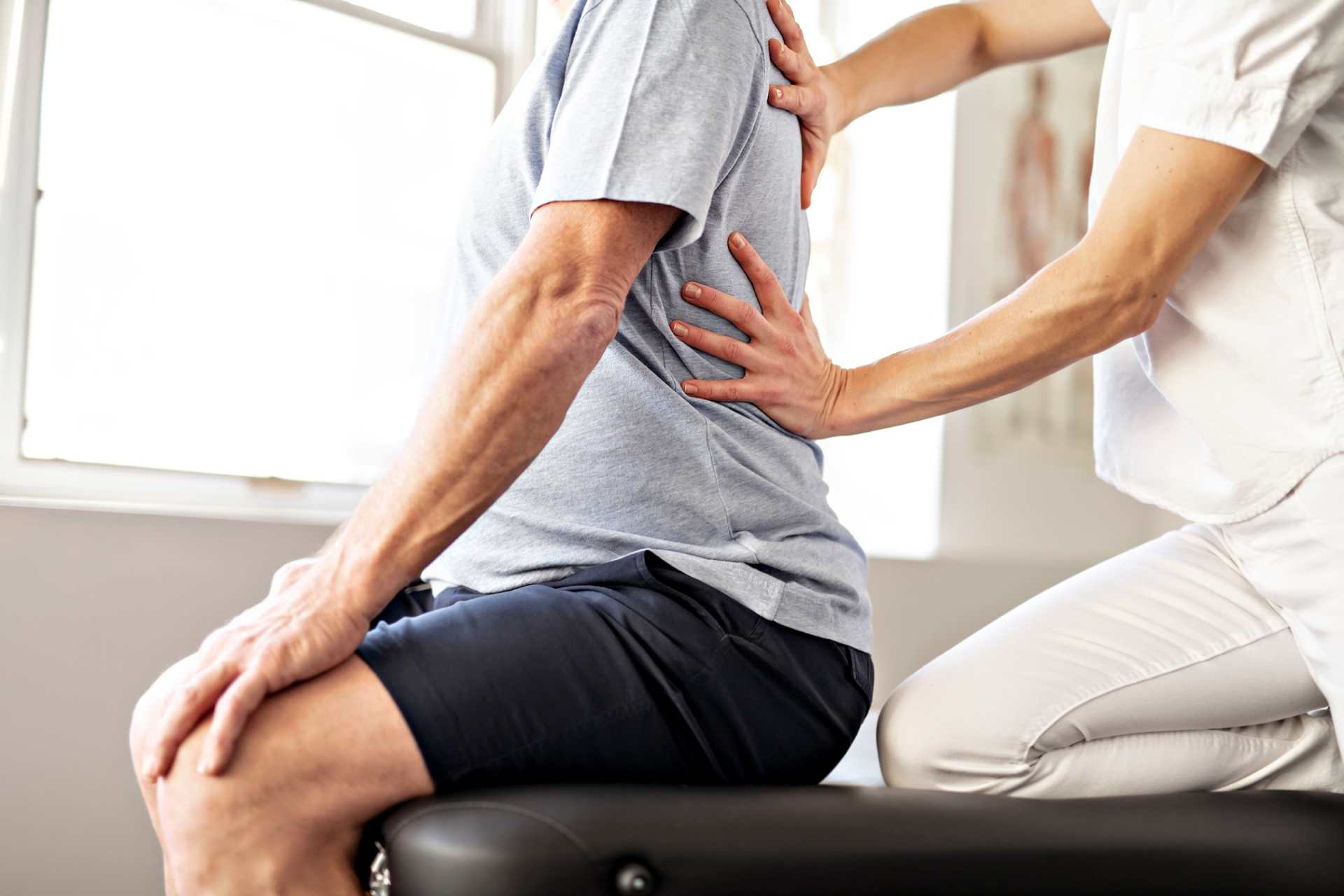
Physical therapy helps relieve lower back pain by improving strength, flexibility, and movement patterns. Guided exercises, hands-on care, and education work together to support the spine, reduce strain, and help you return to daily activities with better comfort and confidence.
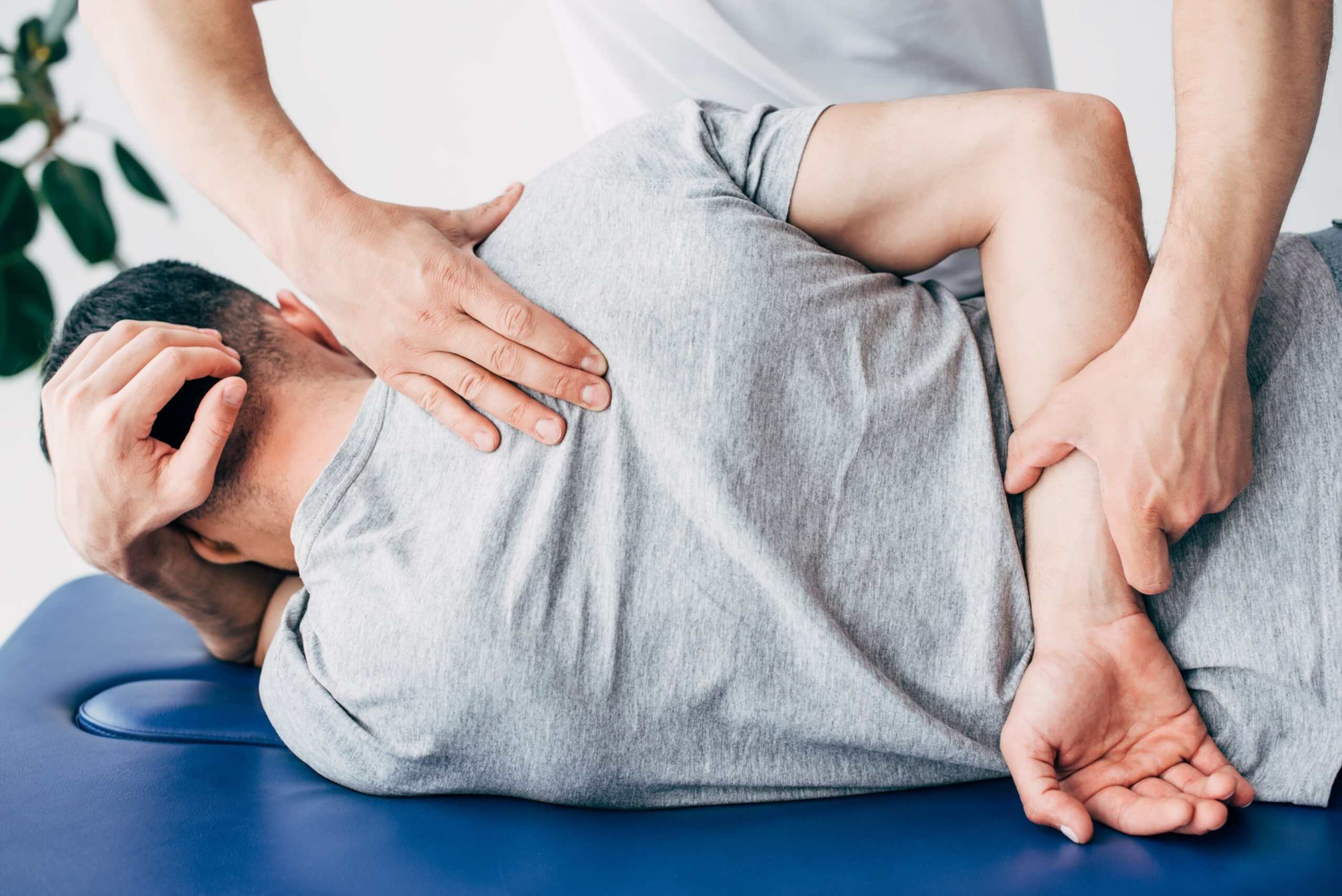
Chiropractic care uses gentle spinal adjustments to improve alignment and ease pressure on joints and nerves. This hands-on approach can reduce stiffness, improve mobility, and support long-term lower back health without surgery or a long recovery time.
Epidural injections deliver anti-inflammatory medication near irritated spinal nerves to reduce swelling and pain. They are often used for disc-related issues or nerve compression and can provide relief that allows you to move more comfortably and progress with therapy.
A laminectomy relieves pressure on the spinal cord or nerves by removing part of the bone that is causing compression. It’s commonly used for spinal stenosis and can reduce pain, numbness, and weakness while improving walking and reducing nerve irritation.
Facet joint injections target small joints in the spine that can become inflamed and painful. By reducing irritation in these joints, injections can help improve movement, decrease stiffness, and confirm the source of lower back pain.
Nerve blocks temporarily interrupt pain signals coming from the lower back. They help reduce discomfort while also helping your care team pinpoint the exact source of pain, guiding more effective treatment decisions moving forward.
Nerve blocks temporarily interrupt pain signals coming from the lower back. They help reduce discomfort while also helping your care team pinpoint the exact source of pain, guiding more effective treatment decisions moving forward.
Surgical Lower Back Pain Treatments in NJ
Surgery for lower back pain is typically considered when non-surgical treatments no longer provide enough relief, or when structural problems threaten nerve function and quality of life. Our spine surgeons in New Jersey use minimally invasive techniques that prioritize preserving muscle and limiting disruption to the surrounding tissues. Many procedures are performed through small incisions using image guidance, helping patients experience less postoperative pain and a smoother recovery. Your surgeon will walk you through the risks, benefits, and expected outcomes so you can make an informed decision that aligns with your goals.
A microdiscectomy removes the portion of a herniated disc that’s pressing on a spinal nerve. It’s a minimally invasive procedure that is often used to relieve leg pain, numbness, or weakness, allowing patients to move more comfortably with a quicker recovery.
Disc replacement surgery removes a damaged disc and replaces it with an artificial one designed to maintain movement. This surgery can reduce pain caused by disc degeneration while preserving flexibility, making it a good fit for patients who want to stay active without a fusion.
A laminectomy relieves pressure on the spinal cord or nerves by removing part of the bone that is causing compression. It’s commonly used for spinal stenosis and can reduce pain, numbness, and weakness while improving walking and reducing nerve irritation.
Spinal fusion joins two or more vertebrae to stabilize the spine and reduce painful motion. It can be helpful for conditions like instability, fractures, or severe degeneration. By securing the spine, fusion can relieve nerve pressure and improve function for those with chronic lower back pain.
ALIF surgery approaches the spine from the front of the abdomen to remove a damaged disc and place a supportive spacer. This avoids cutting back muscles and allows surgeons to restore disc height and stability, often resulting in less postoperative pain.
A PLIF (posterior lumbar interbody fusion) reaches the spine from the back to remove a painful disc and insert a stabilizing implant. This technique decompresses nerves and secures the spine in one procedure, helping reduce chronic lower back pain.
Lower Back Pain Recovery
Recovering from lower back pain looks different for everyone, depending on the cause, your overall health, and the treatment you receive. For most people, staying safely active helps speed up healing. Non-surgical recovery typically begins with pain relief and gentle stretching, then progresses to strengthening exercises, posture training, and a guided return to daily activities. At Alliance Orthopedics, we also coach you on workplace and home ergonomics, safe lifting techniques, and how to manage flare-ups so your progress lasts.
If surgery is part of your care, your spine surgeon and rehab team will closely guide your recovery from start to finish. Many minimally invasive procedures allow you to start walking shortly after surgery, followed by targeted therapy to rebuild core strength and flexibility. By following post-op guidelines, attending follow-up visits, and completing physical therapy, patients regain confidence in their back and return to work, sports, and everyday life with greater comfort.
Lower Back Pain FAQs
The most common causes of lower back pain are muscle strains, ligament sprains, or disc wear from daily activity, sports, or lifting. Over time, discs can lose height and hydration, joints can become arthritic, and the spinal canal can narrow, leading to conditions like herniated discs, spinal stenosis, and spondylolisthesis. Less commonly, fractures, infections, tumors, or problems involving the kidneys, abdomen, or pelvis can trigger pain that is felt in the lower back.
Women can experience lower back pain from common spine issues like muscle strain or disc problems, as well as hormonal and pelvic factors. Menstrual changes, pregnancy, endometriosis, fibroids, or ovarian conditions may contribute. Because causes can overlap, ongoing pain should be evaluated to address both spinal and pelvic health.
Most mild lower back pain improves within a few days with rest, gentle movement, and over-the-counter medications. You should contact a doctor if pain lasts more than a few weeks, keeps returning, or makes daily activities difficult. If you’re experiencing leg weakness, numbness, bladder or bowel changes, fever, or unexplained weight loss, you should see your doctor immediately.
You should consider a second opinion if your back pain isn’t improving after several weeks of treatment, keeps coming back, or is interfering with your daily life. It’s also a smart step if you’ve been told you need surgery and want to explore all your options first.
At Alliance Orthopedics, you get access to board-certified spine surgeons in New Jersey who take the time to listen, review your case thoroughly, and explain all your options clearly. The goal isn’t to rush you into treatment; it’s to help you make the best decision for your health and lifestyle.
Staying active, strengthening your core, maintaining good posture, using proper lifting techniques, and following your home exercise plan can all help prevent future pain flare-ups.
Why Choose Alliance Orthopedics to Treat Lower Back Pain?
At Alliance Orthopedics, we treat lower back pain with a team-based approach that puts you first. Whether your care involves conservative therapies or surgery, everything is coordinated by one dedicated team that works together from start to finish. Our surgeons, specialists, and therapists create a personalized plan focused on relieving pain, rebuilding strength, and helping you feel confident in your movement again.
You’ll have access to imaging, in-office procedures, surgery, and follow-up care at our New Jersey locations, making treatment more convenient and seamless. When surgery is needed, we focus on minimally invasive, muscle-sparing techniques that use smaller incisions and specialized tools to relieve pressure or stabilize the spine. This approach helps reduce pain after surgery, shortens recovery time, and gets you back to work, sports, and everyday life sooner.
Spine Surgeons in New Jersey
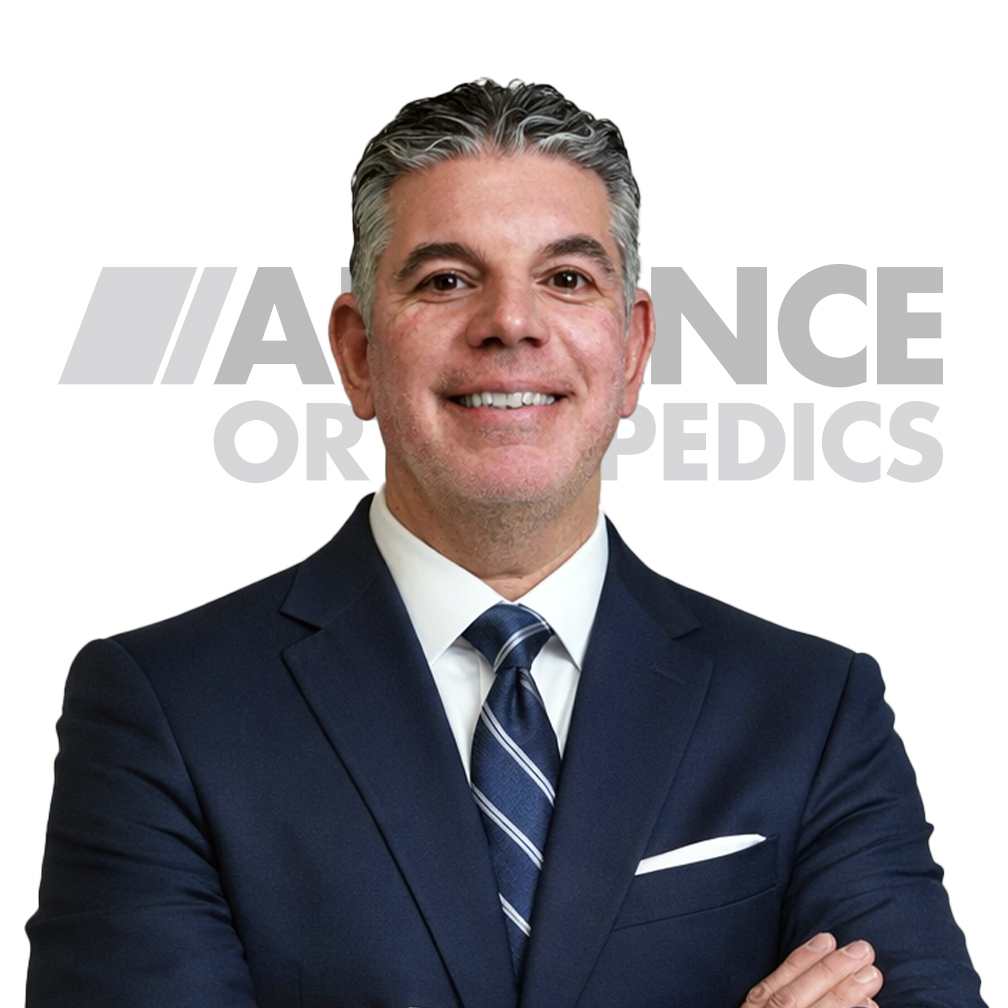
At Alliance Orthopedics, our fellowship-trained spine surgeons across New Jersey specialize in treating lower back conditions. By using non-surgical treatments and muscle-sparing, minimally invasive procedures, they help relieve nerve pressure and stabilize the spine while protecting surrounding muscle, helping support quicker recovery times.


Spine Clinics in New Jersey
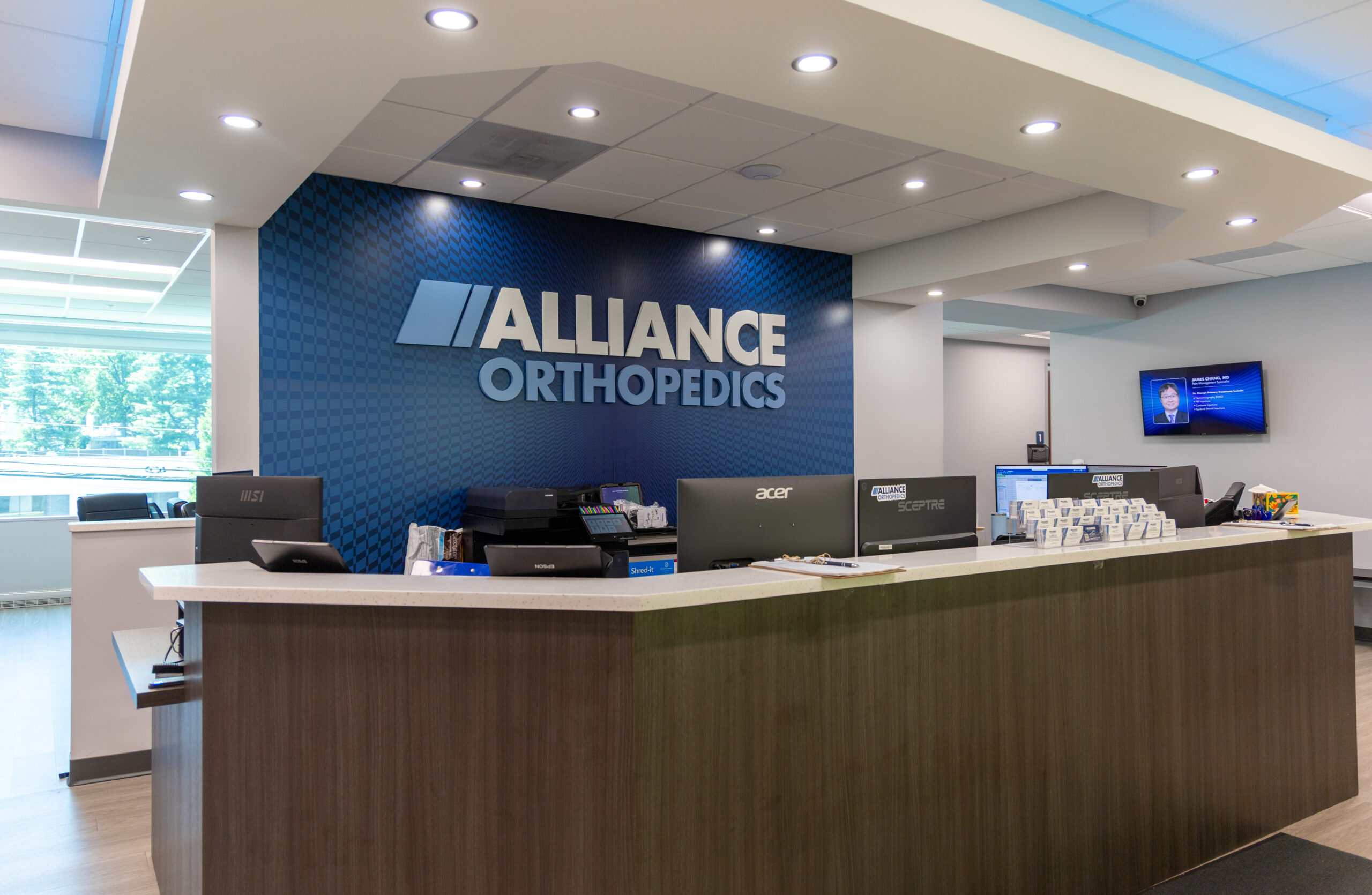
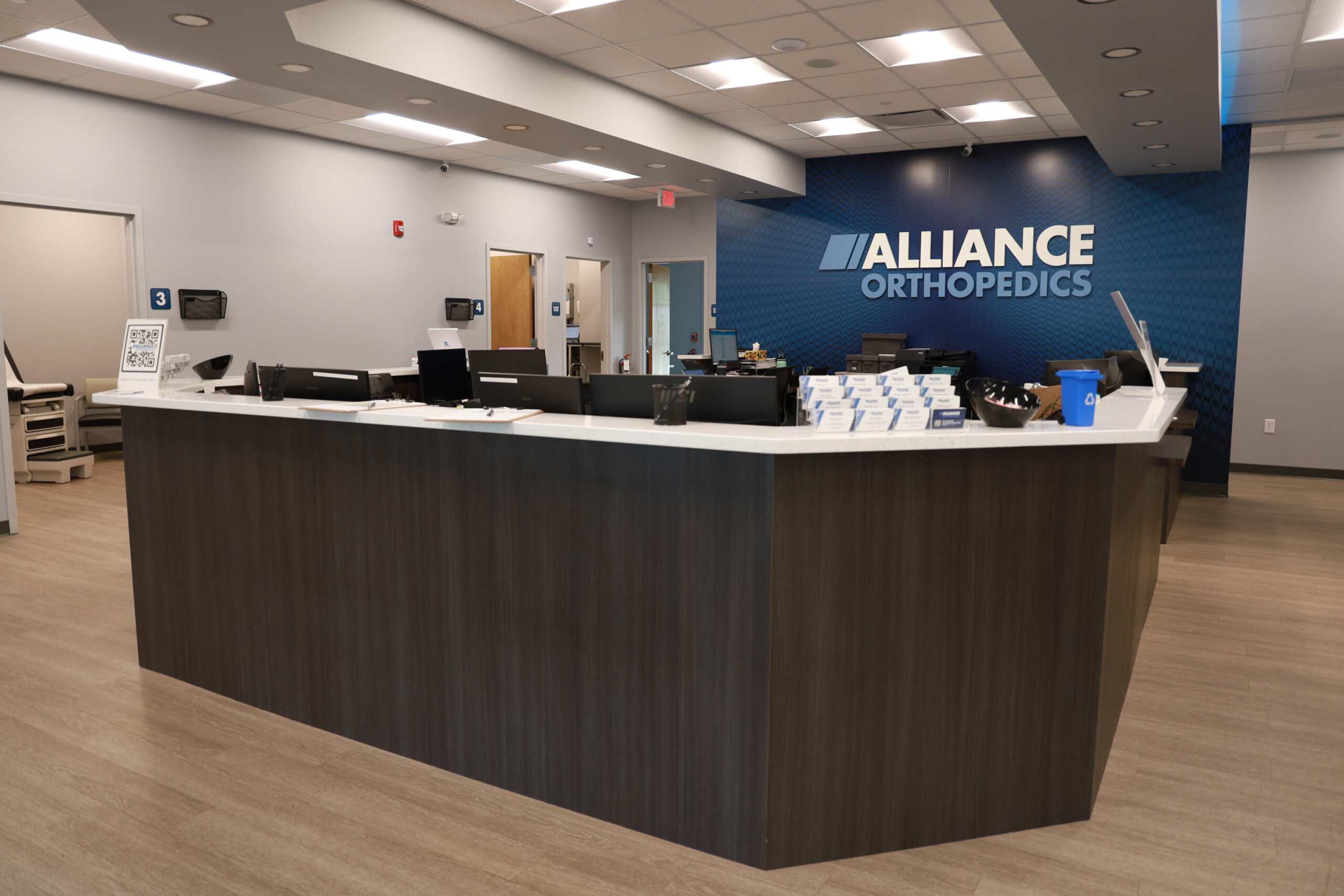
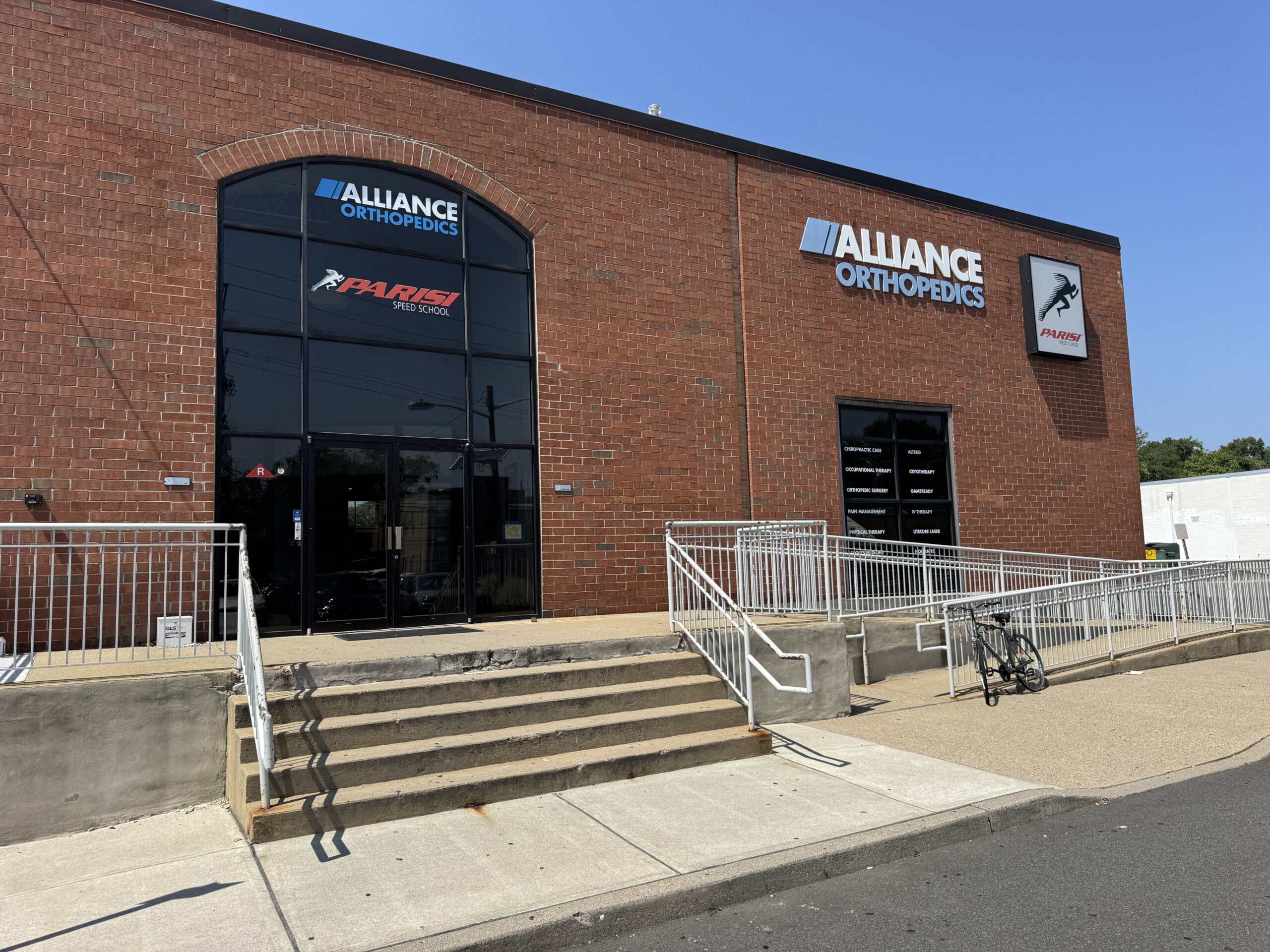
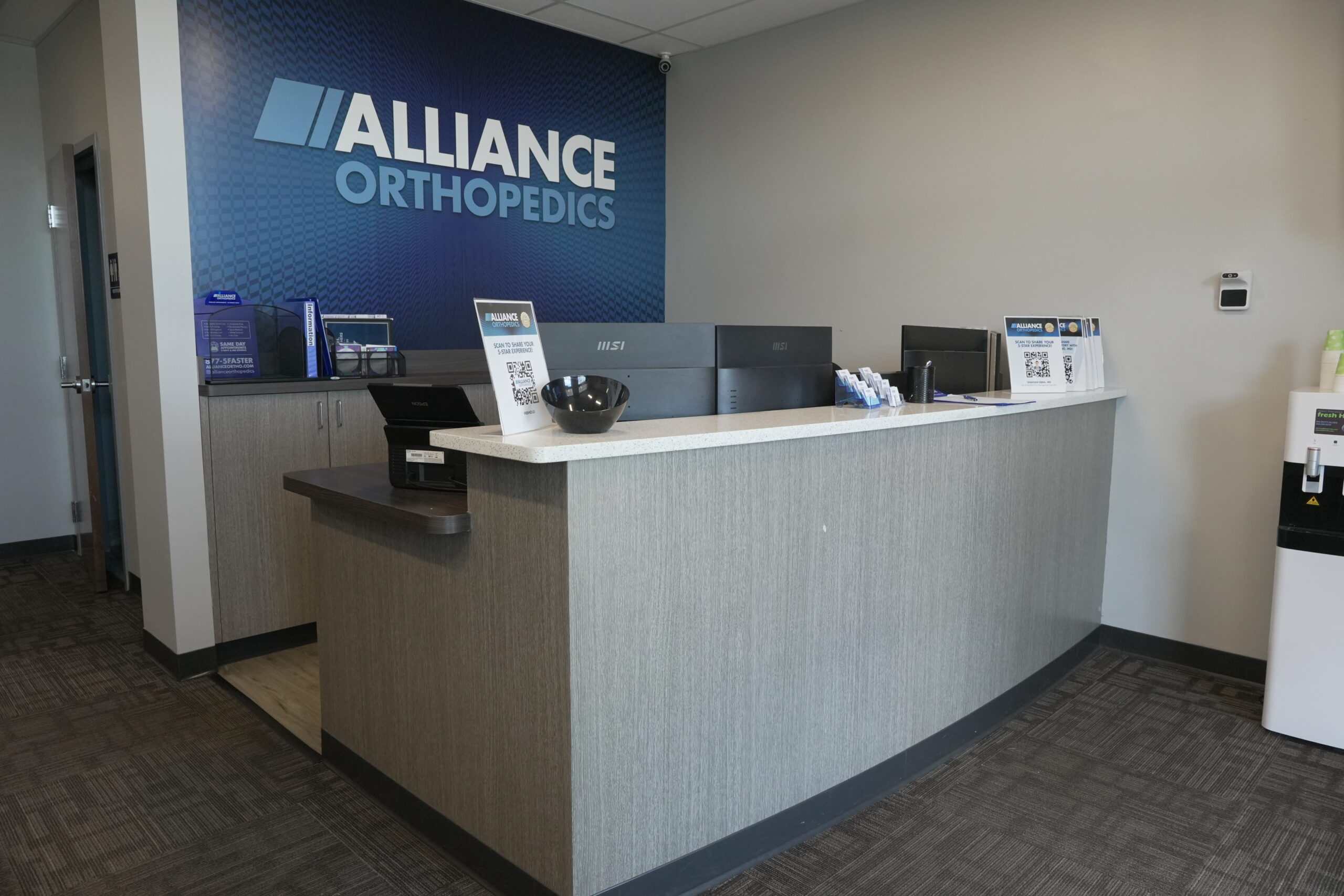
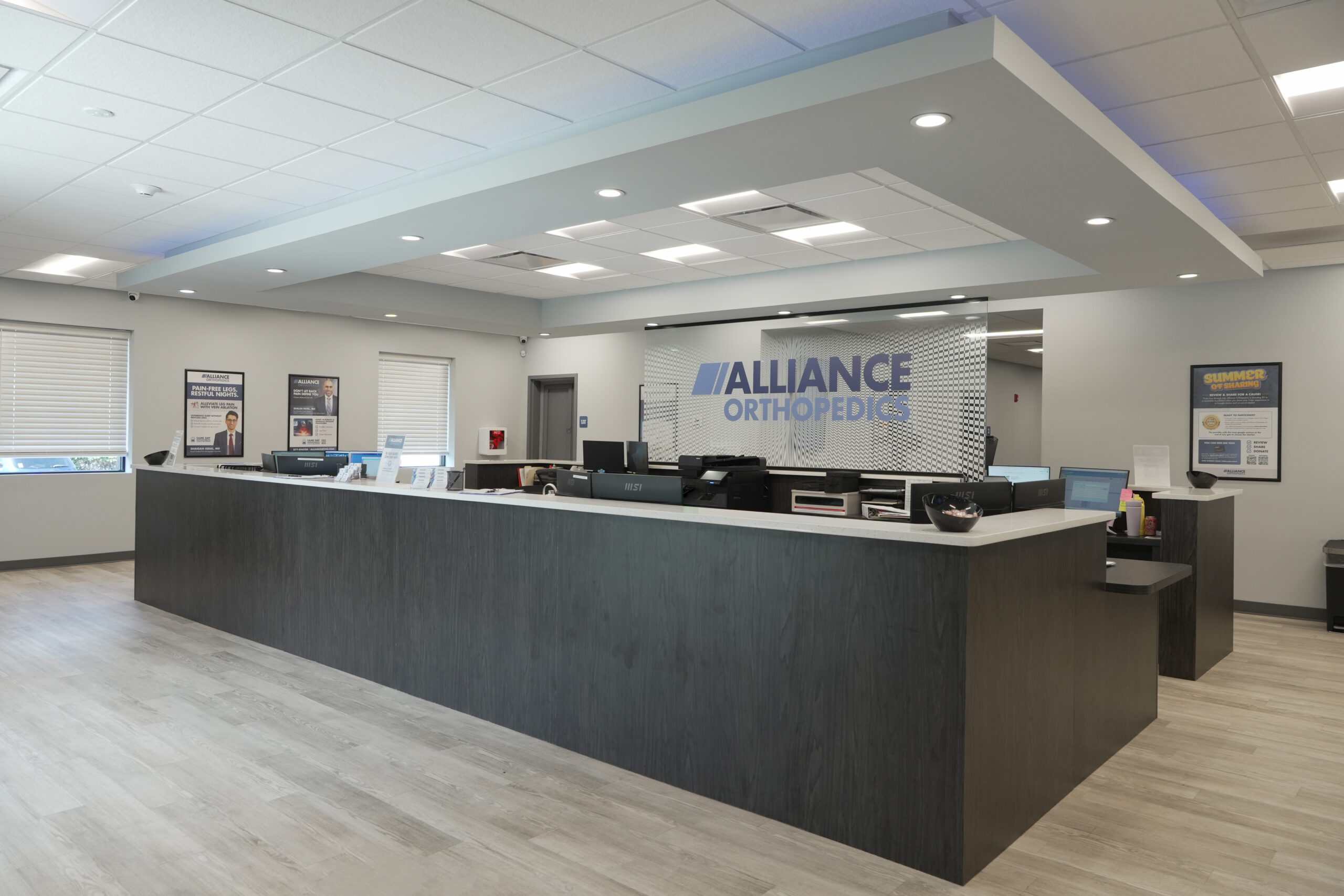
Alliance Orthopedics makes lower back pain care easier with locations across New Jersey, including Bloomfield, East Brunswick, Fair Lawn, Freehold, Middletown, Old Bridge, Randolph, and Union, expert care is always close to home.
Our Other Back Conditions We Treat
Recent Blogs