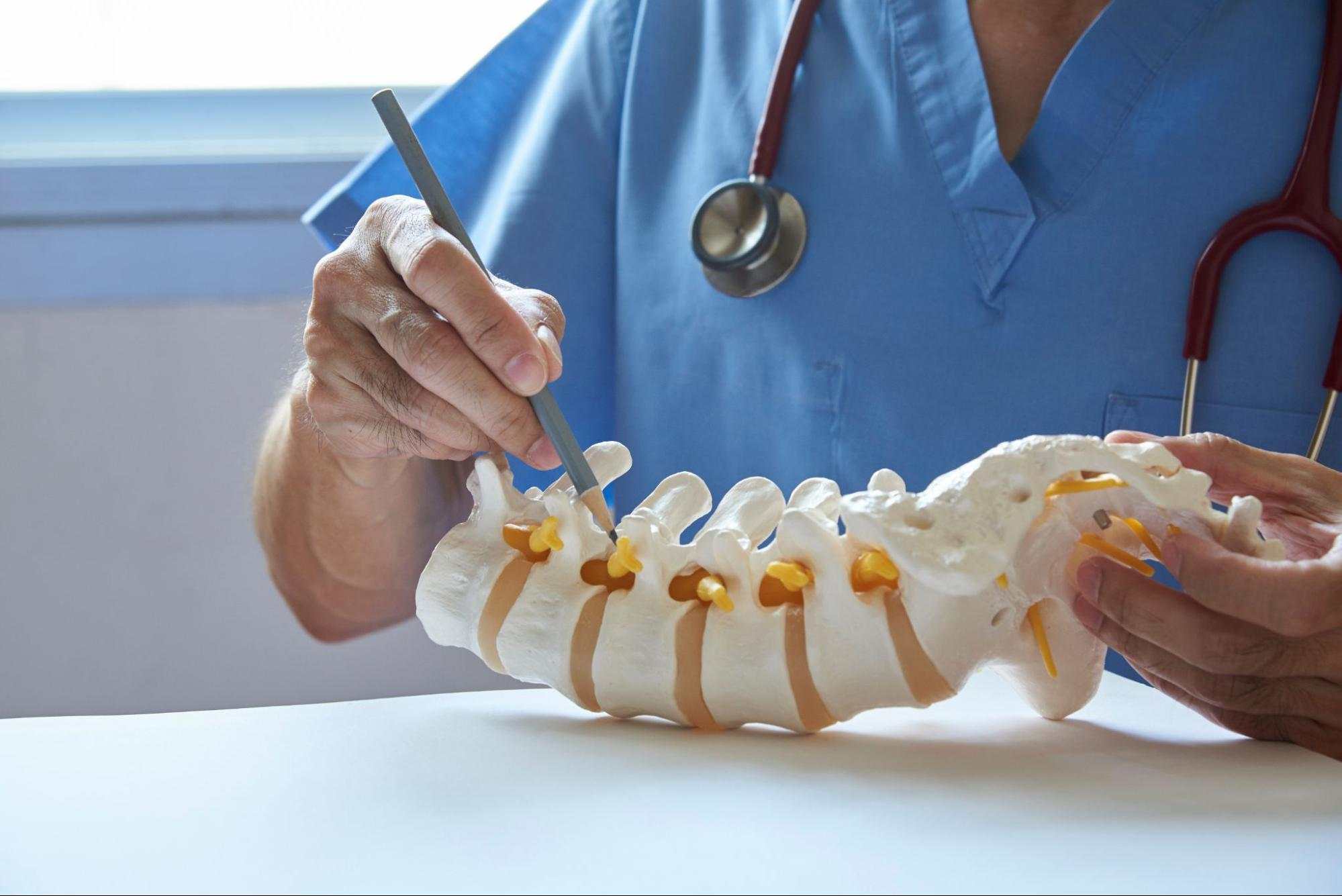
Ankle Replacement Surgery in NJ
Page Navigation
Page Navigation
Ankle Replacement in New Jersey
Ankle replacement surgery, also known as total ankle replacement, is a procedure in which a damaged ankle joint is replaced with artificial components designed to mimic natural ankle movement. This surgery helps relieve chronic pain caused by severe arthritis or joint injury when other treatments haven’t been effective. By removing the worn surfaces of the ankle and inserting a specialized implant, ankle replacement restores function and supports an active lifestyle, allowing patients to return to their favorite activities with greater comfort.
Our foot and ankle specialists in New Jersey specialize in ankle replacements, focusing on minimizing pain and maximizing recovery. Our goal is to restore function, enhance mobility, and improve the overall quality of life for individuals suffering from chronic ankle pain or arthritis.
Benefits of Ankle Replacement Surgery
Ankle replacement relieves persistent pain and restores mobility, allowing for improved walking and overall function. This surgery also helps protect surrounding joints and reduces the need for future procedures.
Benefits of Ankle Replacement
- Significant pain relief
- Preserved natural ankle motion
- Faster return to daily activities
- Improved stability and mobility
- Reduced stress on nearby joints
- Enhanced overall quality of life
Ankle Replacement Surgery Candidates
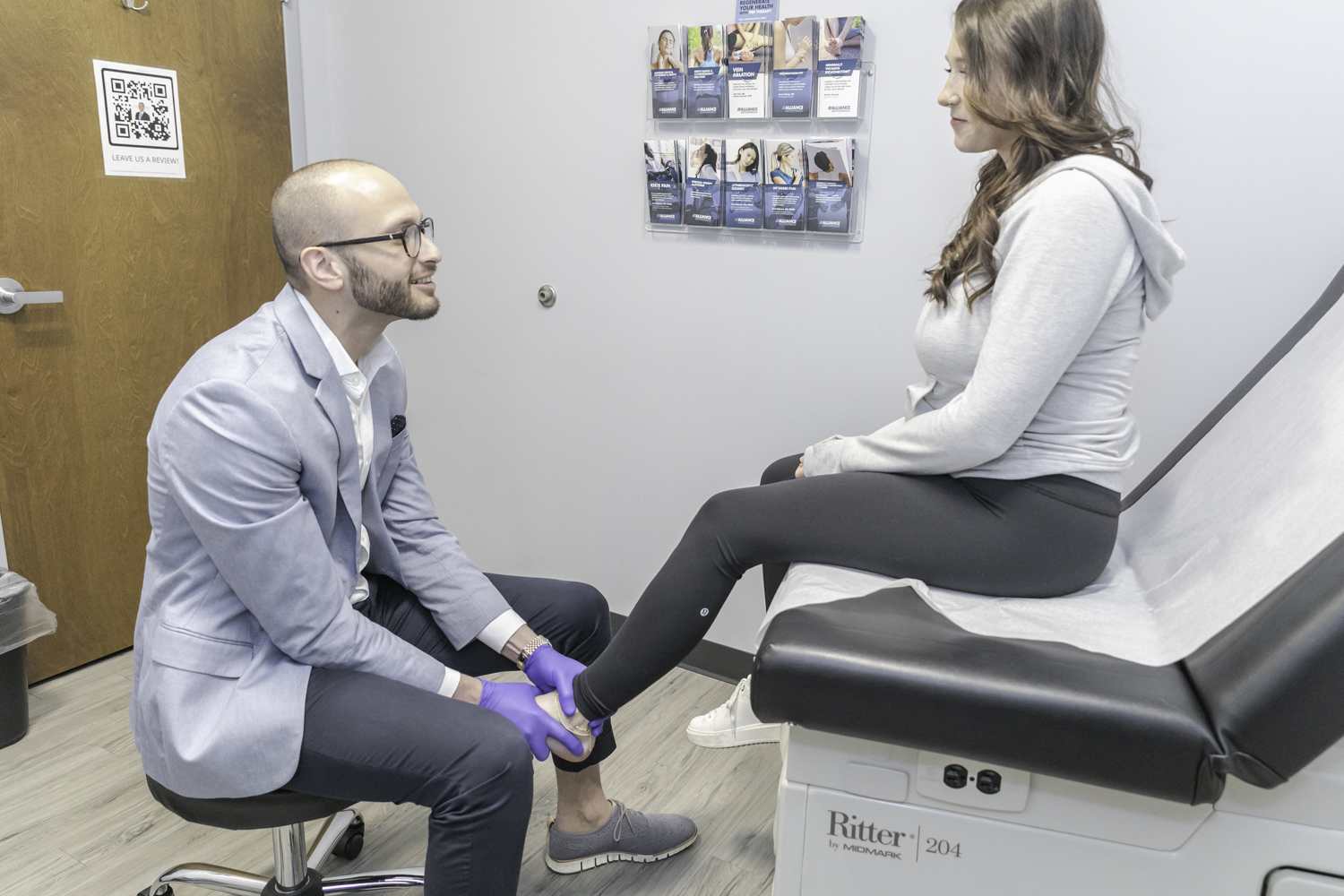
Ankle replacement surgery is ideal for patients experiencing severe ankle pain and limited mobility due to arthritis or joint damage. Ideal candidates have also typically not found relief through other conservative treatments, such as medications, corticosteroid injections, or physical therapy. Your foot and ankle specialist in New Jersey will evaluate your medical history and joint pain to determine if ankle replacement surgery is right for you.
Candidates for Ankle Replacement
- Severe osteoarthritis or rheumatoid arthritis
- Post-traumatic ankle arthritis
- Persistent ankle pain is limiting daily activities
- Decreased ankle range of motion and stiffness
- Failure of conservative treatments such as medications or bracing
- Healthy bone and soft tissue to support the implant
- Moderate or low-impact activity levels
- Good overall health for surgery and recovery
Custom Orthopedic Treatment Made for You, with You
Choose Alliance Orthopedics for care that revolves around you. We listen, collaborate, and create a custom orthopedic treatment plan that fits your life, your goals, and your recovery!
Preparing for Ankle Replacement Surgery
Preparing for ankle replacement surgery minimizes risks and sets the foundation for successful surgery and rehabilitation. Patients should follow their surgeon’s instructions carefully, maintain good overall health, and arrange for support during recovery.
Patient Preparation Checklist
- Attend pre-surgery medical evaluations and testing
- Stop certain medications as advised by your doctor
- Arrange transportation and post-surgery care at home
- Prepare your living space for easy mobility and safety
- Bathe with recommended antiseptic soaps before surgery
- Discuss any questions or concerns with your surgical team
How is Ankle Replacement Surgery Performed?
Ankle replacement surgery begins with a carefully placed incision over the ankle to access the damaged joint. The surgeon removes the worn or arthritic bone and cartilage from the tibia and talus bones, which form the ankle joint, and prepares the area for implant placement. Advanced metal and medical-grade plastic components are then positioned to replicate the joint’s natural shape and motion. These implants create a smooth, stable surface that allows the ankle to move more comfortably with less friction. The goal of ankle replacement surgery is to reduce chronic pain, maintain flexibility, and help patients return to walking and daily activities with greater ease and confidence.
Ankle Replacement Surgery Recovery
Recovery after ankle replacement surgery is a gradual process that focuses on healing and restoring your ankle strength. In the first few weeks, rest and elevation help reduce swelling, while pain is managed with prescribed medications. Your foot and ankle specialist at Alliance Orthopedics in New Jersey will guide you through wound care and monitor your progress to prevent complications.
As healing continues, you’ll begin gentle physical therapy exercises to restore flexibility and range of motion, eventually progressing to partial and then full weight-bearing using crutches or a walker. Most patients return to their daily activities within a few months, with full recovery, especially for higher-impact movements, which can take up to a year. Our skilled team supports you every step of the way to ensure a smooth, safe, and successful recovery.
What to Expect After Ankle Replacement Surgery
After ankle replacement surgery, most patients experience significant pain relief and a noticeable improvement in ankle function. As the joint heals, mobility gradually returns, allowing for smoother, more natural movement without the stiffness often caused by arthritis or joint damage. With consistent physical therapy and proper care, many people are able to walk comfortably again, enjoy low-impact activities, and regain the independence they may have lost due to chronic ankle pain. Swelling and mild discomfort are normal during the recovery period; however, as healing progresses, patients often find that they can move with greater confidence, stability, and an overall improved quality of life.
Ankle Replacement FAQs
On average, ankle implants last 10 to 15 years or longer. Longevity depends on factors such as your activity level, the type of implant used, and overall health. With proper care and follow-up, many patients enjoy years of improved mobility and reduced pain.
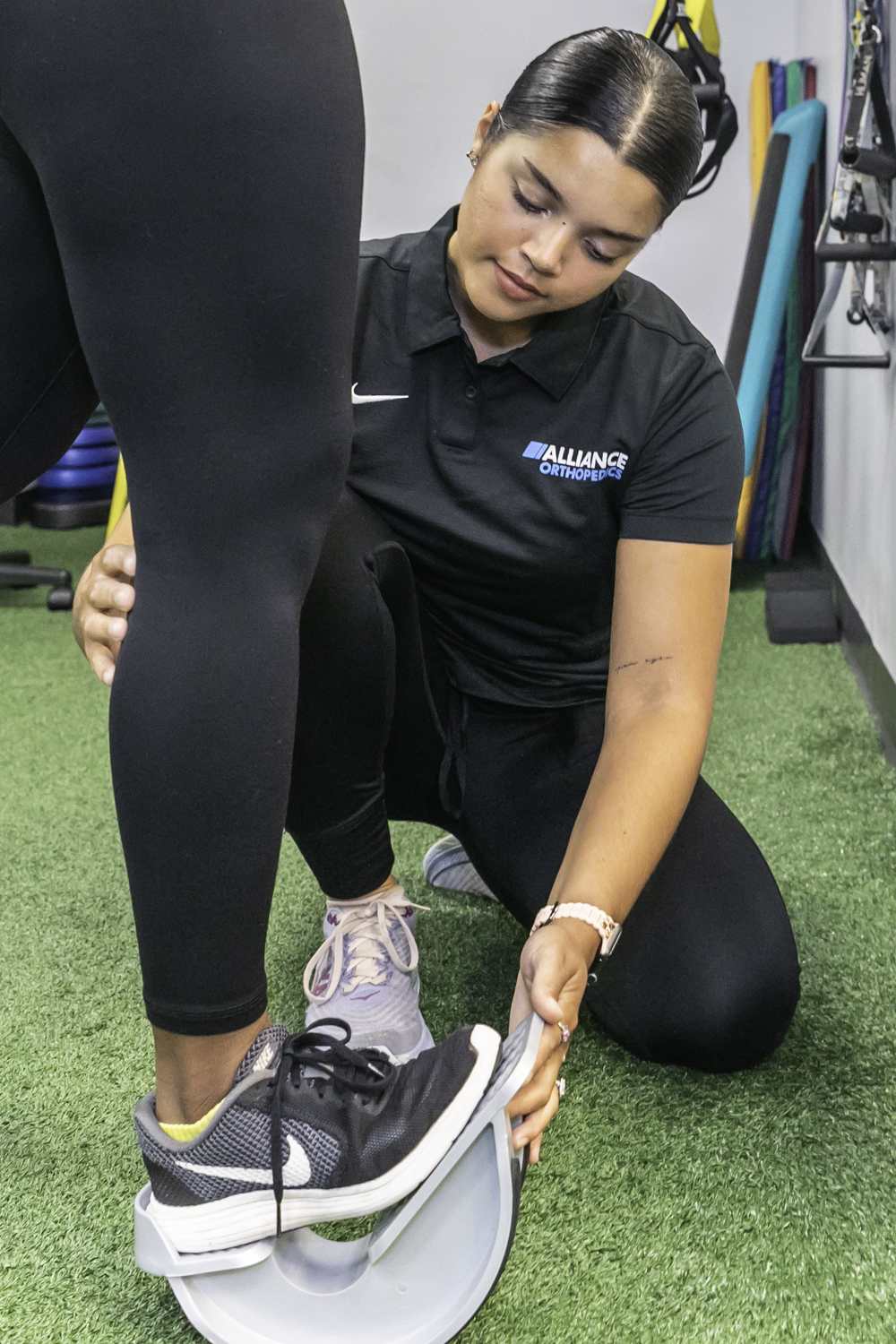
Most patients experience noticeable improvement in ankle movement, though some stiffness may remain. The primary goal is to achieve pain relief while maintaining functional motion, enabling you to walk and perform daily activities with greater comfort than with untreated arthritis.
Yes. By restoring natural joint alignment and movement, ankle replacement reduces excess stress on surrounding joints, which may help slow or prevent arthritis from developing in those areas.
Yes. If implants wear out or complications arise, ankle replacement can often be revised. Modern implants are designed for durability, providing many years of improved function and pain relief before a revision might be necessary.
Why Choose Alliance Orthopedics?
At Alliance Orthopedics, ankle replacement surgery is just the beginning of your journey to renewed mobility. Our skilled foot and ankle surgeons in New Jersey combine advanced surgical techniques with a patient-centered approach to reduce pain, preserve joint movement, and help you return to daily activities with confidence.
We focus on your full recovery, offering personalized rehabilitation plans and continuous support every step of the way. With convenient locations across New Jersey and a compassionate team dedicated to your progress, Alliance Orthopedics ensures you regain strength, flexibility, and independence, helping you move comfortably and get better every day.
Foot and Ankle Specialists in New Jersey
Our foot and ankle surgeons specialize in ankle replacement surgery in New Jersey, using the latest surgical techniques to perform both total and partial ankle replacements. With extensive experience and a patient-focused approach, our team is dedicated to delivering foot and ankle surgeries that help alleviate your joint pain and discomfort.
Orthopedic Clinics in New Jersey
We offer ankle replacement surgery and comprehensive foot and ankle care at our orthopedic clinics across New Jersey. Whether you’re in East Brunswick, Freehold, Middletown, or beyond, our state-of-the-art facilities provide cutting-edge treatments, tailored care programs, and supportive rehabilitation services to help patients recover safely and regain mobility.