Trigger Finger Surgery in NJ
Page Navigation
Page Navigation
Trigger Finger Release Surgery in New Jersey
If you’re dealing with stiffness, locking, or pain in your fingers, you’re not alone. A trigger finger is a common condition that can affect your hands. Trigger finger surgery restores movement to fingers or thumbs that are locked in a bent position due to tendon inflammation. When the tendon sheath narrows, it can cause the affected finger to snap, lock, or feel painful during motion.
At Alliance Orthopedics, our board-certified hand and wrist specialists in New Jersey perform trigger finger surgery to help restore your hand’s comfort and function. We use the latest minimally invasive techniques to release the constricted tendon sheath, allowing your fingers to move freely again while reducing pain and preventing stiffness or loss of function. Whether your symptoms are mild or severe, our dedicated team is here to answer your questions and help you get better every day.Â
Benefits of Trigger Finger Surgery
If your symptoms are keeping you from daily tasks and non-surgical treatments aren’t working, trigger finger surgery can offer lasting relief and better hand function. This procedure effectively reduces pain and allows the affected finger or thumb to move smoothly again. Most patients experience a quick recovery and regain full use of their hands, improving overall daily comfort and function.
Trigger Finger Release Benefits
- Restores normal finger movement
- Reduces pain and catching or locking sensations
- Enables faster return to daily activities
- Minimally invasive, small incision, quick recovery
- Helps prevent future joint stiffness
Trigger Finger Surgery Candidates
You may be a candidate for trigger finger surgery if conservative treatments like splinting, exercises, or corticosteroid injections have not relieved your symptoms. Surgery is often recommended when finger stiffness, locking, or pain interfere with your ability to work, sleep, or perform daily activities. Candidates typically have a tender nodule at the base of the affected finger or thumb and experience catching or locking that worsens over time.Â
Candidates for Trigger Finger Release Surgery
- Individuals with persistent finger locking, snapping, or pain
- Patients with swelling or nodules at the finger base
- Those who haven’t improved with splints or injections
- Difficulty bending or straightening the finger/thumb
- Limited hand use that affects daily routines
Custom Orthopedic Treatment Made for You, with You
Choose Alliance Orthopedics for care that revolves around you. We listen, collaborate, and create a custom orthopedic treatment plan that fits your life, your goals, and your recovery!
Preparing for Trigger Finger Surgery
Preparing for trigger finger surgery involves several important steps to ensure you have a successful surgery and recovery. You should follow your surgeon’s instructions carefully, which typically include guidelines on medication management, hygiene, and activity restrictions.Â
Patient Preparation Checklist
- Review your medical history and current medications
- Avoid eating or drinking after midnight before your surgery
- Avoid blood-thinning medicines as instructed
- Arrange transportation to and from the surgery location
- Set up a comfortable recovery space at home
- Clear your schedule for a few days of rest following surgery
How is Trigger Finger Surgery Performed?
During trigger finger surgery, one of our hand and wrist specialists in NJ makes a small incision near the affected finger or thumb. The tight portion of the tendon sheath, which causes the catching, is carefully released to restore the full range of motion. Local anesthesia keeps you comfortable throughout the procedure, which usually lasts under 30 minutes.
In some cases, no stitches are required. After the tendon is freed, your finger can move normally again. Most patients go home the same day and begin gentle movement soon after, guided by clear post-operative instructions from your Alliance Orthopedics care team.
Trigger Finger Surgery Recovery
After your trigger finger surgery, you’ll typically notice less pain and improved finger movement within days. Swelling and mild tenderness are common but usually subside quickly with rest, elevation, and gentle finger exercises. Most patients resume light activities within a few days and regain full strength in several weeks. Depending on individual needs, physical therapy or a customized exercise plan may be recommended to help with your recovery. You’ll have scheduled follow-ups to monitor healing and address any concerns. Full recovery typically takes about six weeks, after which normal activities, including heavy lifting and repetitive hand use, can usually be resumed safely.
What to Expect After Trigger Finger Surgery
Following trigger finger surgery, patients can expect significant and lasting improvements. The procedure typically resolves symptoms such as finger locking, snapping, and pain, restoring smooth and pain-free movement. Most patients experience these benefits shortly after surgery, with continued progress as healing progresses. The results are long-lasting for most patients, effectively preventing recurrent triggering. Regular follow-up visits with your hand and wrist doctor ensure your recovery stays on track, helping you regain full use of your hand for daily activities and hobbies with confidence.
Trigger Finger Surgery FAQs
Trigger finger surgery is a quick outpatient procedure that typically lasts less than 30 minutes. It is usually performed under local anesthesia, which numbs your hand so you remain awake but comfortable. The surgeon makes a small incision in the palm to release the tendon sheath, allowing the tendon to move freely again for immediate symptom relief.
Yes, finger motion is often restored immediately after surgery. While your finger may initially feel stiff or tender, gentle movement is encouraged early on to prevent lasting stiffness. Most patients notice smoother and more comfortable finger movement almost right away.
Some mild soreness or tenderness is normal after the procedure, but usually subsides within a few days. Pain is often manageable with over-the-counter medications and reduces quickly as healing progresses. Simple finger exercises help restore full range of motion and alleviate discomfort.
Most patients can resume light activities, such as typing or writing, within a few days following surgery. More strenuous tasks, including heavy lifting or repetitive hand use, typically require 4 to 6 weeks of recovery. Your specialist will guide you on the right timeline based on your healing progress.
Why Choose Alliance Orthopedics?
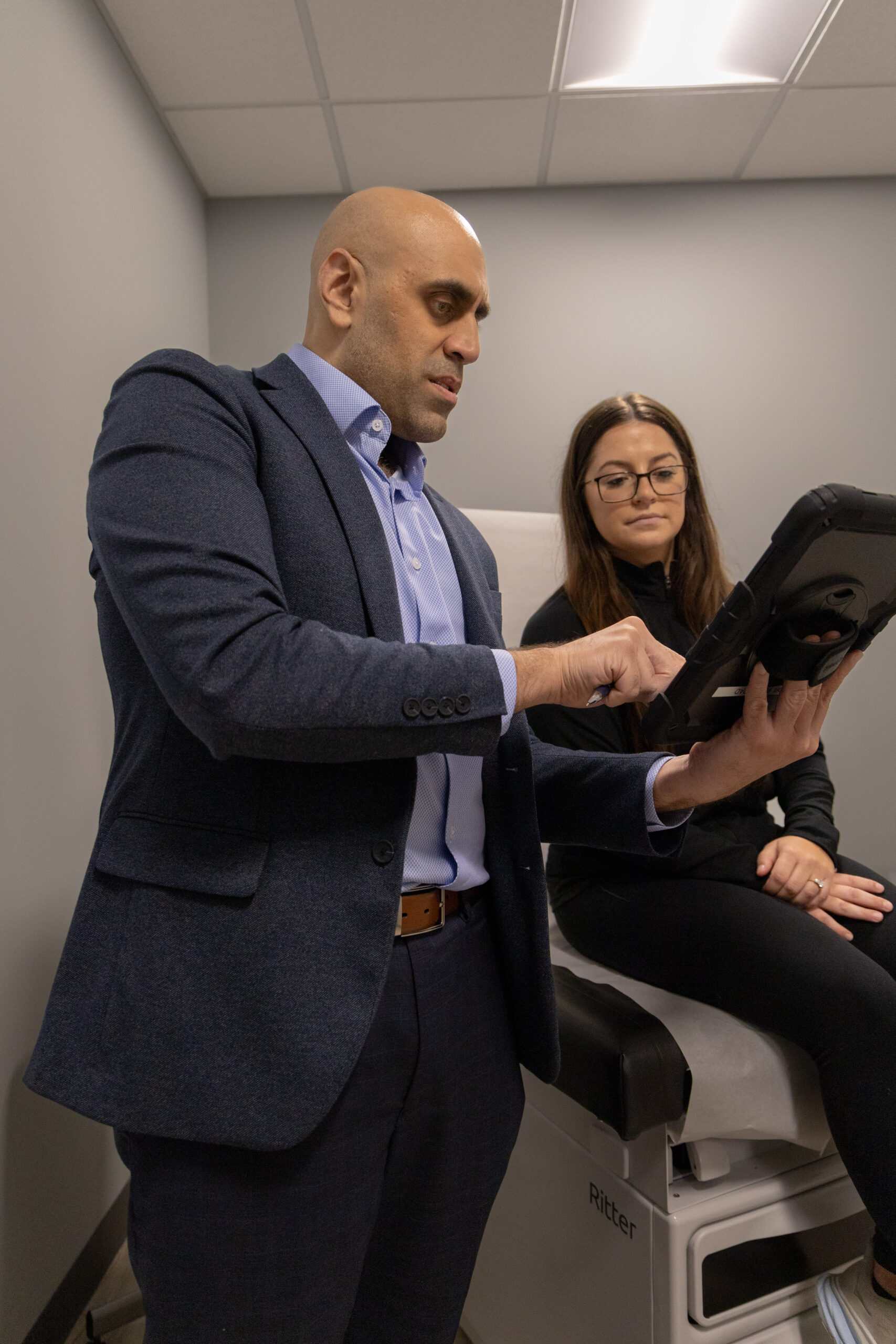
When you choose Alliance Orthopedics for your trigger finger surgery, you’re putting your care in the hands of highly experienced specialists. Our board-certified hand and wrist surgeons in New Jersey specialize in treating trigger fingers and a wide range of hand, wrist, and finger conditions every day, using minimally invasive procedures designed for a quick recovery. From your first visit to your follow-up appointments, we make sure you feel heard, informed, and supported at every step. Your hand and wrist care is our top priority; trust us to help you find relief from pain caused by trigger fingers that constantly snap or lock.
Hand and Wrist Specialists in New Jersey
If you’re struggling with a trigger finger, Alliance Orthopedics has hand and wrist specialists in New Jersey ready to help. Our experienced team guides you through diagnosis and treatment, ensuring you feel supported and confident throughout your journey from surgery to recovery.Â
Orthopedic Clinics in New Jersey
Our orthopedic clinics are conveniently located across New Jersey, including East Brunswick, Freehold, Old Bridge, and Union. You’ll receive expert, compassionate care for trigger finger and more, with a dedicated team supporting you not far from home.Â