
If you’re considering bunion surgery, one of your first questions is probably: “How soon will I be able to walk again?” That’s completely understandable. Being sidelined from your usual routine can feel overwhelming. Whether it’s getting back to work, enjoying your favorite activities, or simply moving comfortably around your home, walking is at the top of nearly every patient’s recovery wish list.
The good news? Recovery looks different today than it did years ago. At most practices, patients are told to stay off their feet for six weeks or more following surgery. But at Alliance Orthopedics, our patients who undergo minimally invasive bunion surgery (MIS) are walking full weight-bearing in a boot the same day. Our foot and ankle surgeons’ innovative approach to bunion surgery is changing what recovery can look like, making it faster, safer, and more comfortable for our patients.
Below, we’ll break down what bunion surgery involves, how recovery timelines work, what factors affect how soon you can walk again, and the practical steps you can take for a smooth healing process.
What Does Bunion Surgery Involve?
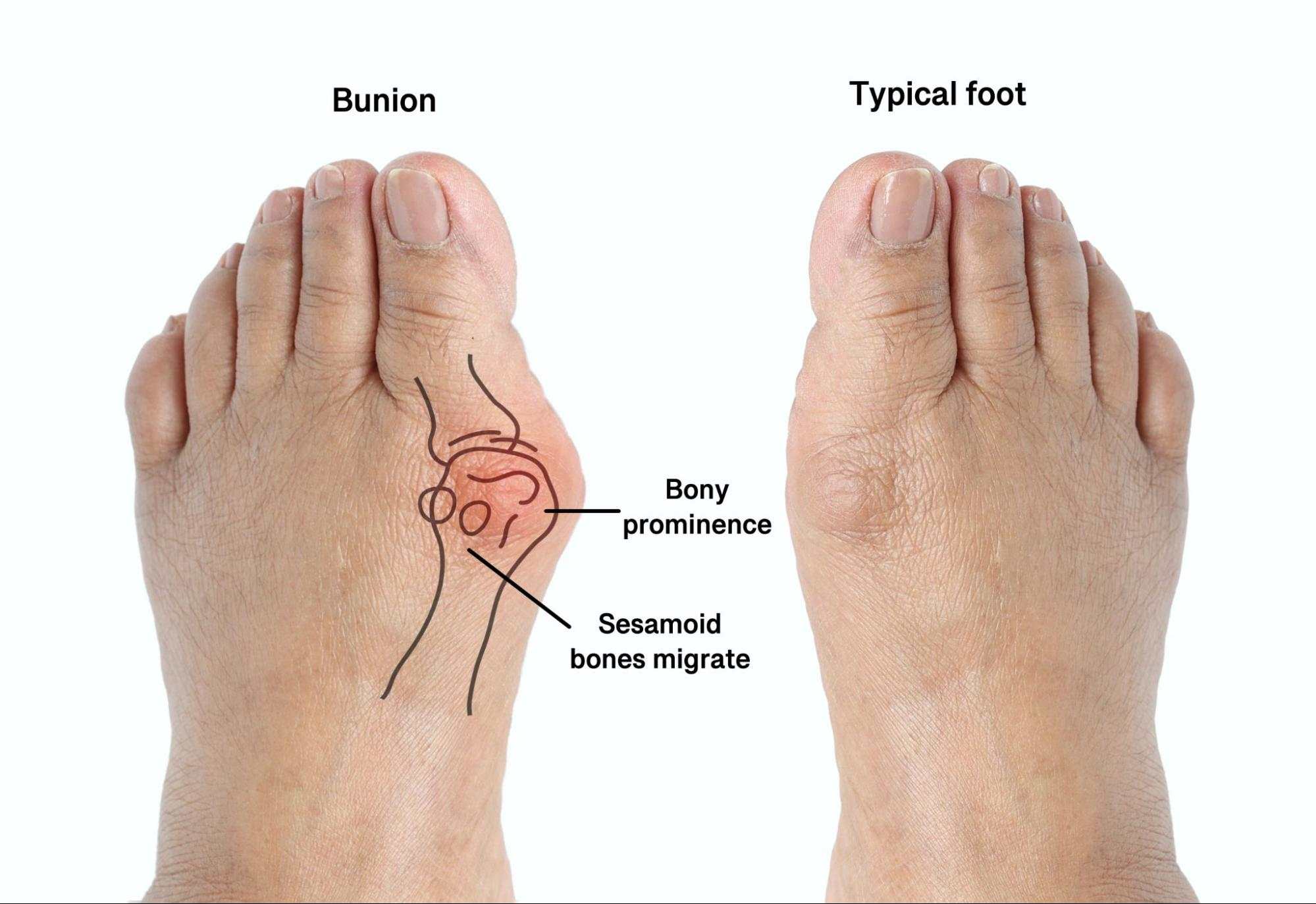
A bunion is a bony bump that develops at the base of your big toe, often causing pain, swelling, and difficulty wearing shoes. Surgery is typically recommended when conservative treatments, such as orthotics, padding, and shoe changes, don’t provide enough relief.
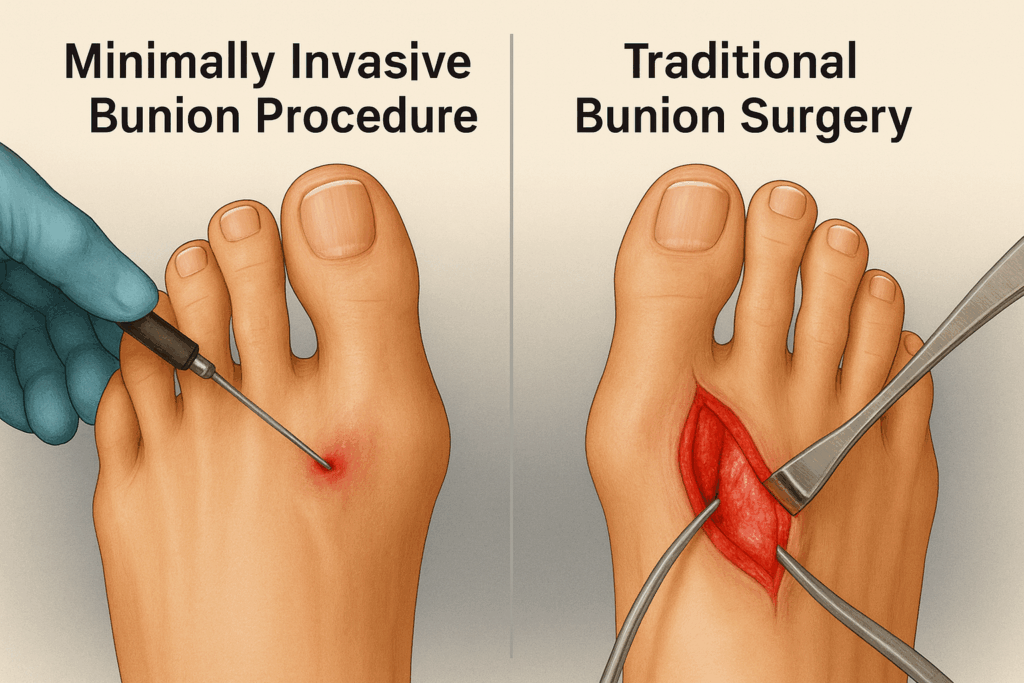
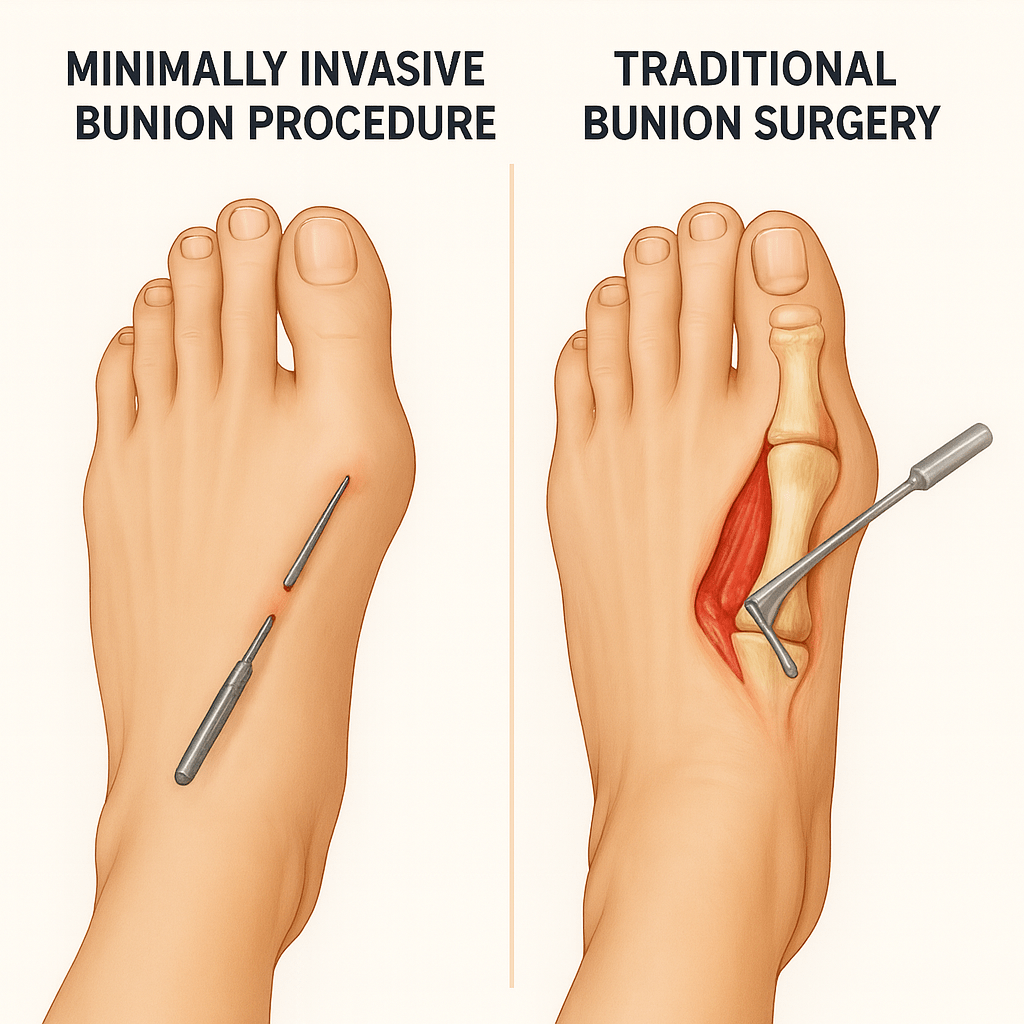
Bunion surgery, or bunionectomy, involves correcting the alignment of the bone, ligaments, and soft tissue around the big toe joint. There are different types of surgical procedures, ranging from traditional open surgery to minimally invasive procedures that use smaller incisions.
- Traditional Bunion Surgery: Larger incision, more extensive bone adjustment, typically requires at least six weeks of non-weight-bearing rest and strict walking limitations.
- Minimally Invasive Bunion Surgery: Small incisions, less tissue trauma, faster recovery, and the ability to walk immediately in a protective boot
Bunion Surgery Recovery Time: Week-By-Week Timeline
Recovery after bunion surgery can vary widely depending on the type of procedure performed and your individual healing process. Here’s what most patients experience with traditional surgery:
0 to 1 Week: Immediate Post-Op
- Patients are typically fitted with a protective walking boot the day of surgery to support early mobility.
- Some swelling and discomfort are normal and can be managed with prescribed pain relief, elevation, and icing as recommended.
1 to 6 Weeks: Early Healing Phase
- Gradual increase in walking distances, always using the boot for support.
- Begin physical therapy to help restore the range of motion and prevent stiffness.
- Swelling and soreness are still present but improving.
- By weeks 3-4, most patients can transition from the surgical boot to supportive sneakers or regular footwear, provided they have received clearance from their surgeon.
6 to 12 Weeks: Growing Stronger
- Walking distances can steadily increase.
- Persistent swelling may appear, especially after prolonged activity.
- Around 10 to 12 weeks, walking feels much closer to normal, with most daily functions manageable.
3 Months: Full Activity Returns
- Normal and high-impact activities, such as running, jumping, and sports, are generally resumed around 3 months.
- Most people feel fully “recovered” and pain-free.
Timeline for Recovery After Minimally Invasive Bunion Surgery
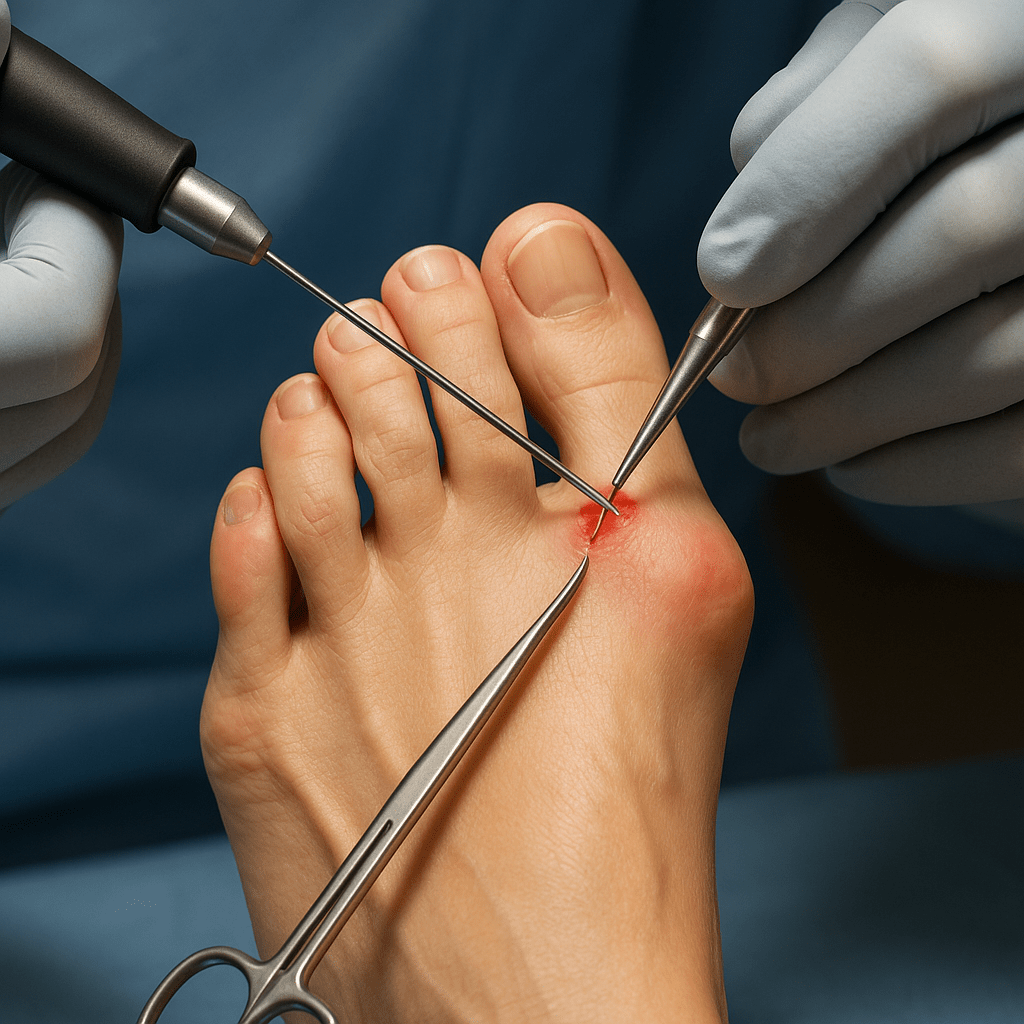
At Alliance Orthopedics, minimally invasive bunion surgery is designed to help you get back on your feet faster, with less pain, swelling, and scarring compared to traditional bunion surgery. Instead of a long incision across the top of the foot, MIS is performed through tiny 2–3mm poke-hole incisions, using specialized instruments to realign the bone with small screws.
Because this approach is gentler on the soft tissues, patients often walk the same day as the surgery, which is different from over 6 weeks of non-weight-bearing recovery required with traditional bunion surgery.
Here’s what a typical recovery timeline looks like with minimally invasive bunion surgery at Alliance Orthopedics:
Day of Surgery
- Patients are usually discharged within 3 hours.
- You’ll be fitted with a protective walking boot.
- Most patients are allowed to walk carefully right away with no crutches or casts needed.
Week 1
- Walking short distances in your protective boot only for essential daily activities.
- Focus on rest, elevation, and icing to reduce swelling.
- Discomfort is usually well managed with minimal or no opioid use.
2 to 4 Weeks
- Keep walking in your boot and gradually increase your daily activity.
- Swelling and stiffness should continue to improve during this stage.
- Attend follow-up visits with your doctor to check incision healing and bone stabilization.
- Your doctor may recommend starting physical therapy to restore flexibility and reduce stiffness.
- By weeks 3 to 4, many patients are able to transition out of the boot and into supportive shoes, such as sneakers or wide-toe box footwear.
Week 5
- Return to light work or daily routines becomes much more manageable.
6 to 8 Weeks
- Walking feels more natural, with minimal swelling.
- Light exercise and increased activity are often possible with your doctor’s approval.
3 to 6 Months
- Most patients resume full activity, including sports and higher-impact exercise.
- Incisions are almost invisible thanks to the tiny poke holes used in surgery.
- Your foot feels stronger, more flexible, and free of bunion pain.
Why Bunion Surgery Recovery Timelines Vary
No two bunions, and no two patients, are exactly alike, which means recovery doesn’t look the same for everyone. Some people are back on their feet quickly, while others need a little more time and patience to allow their bodies to heal properly. Knowing what can affect your recovery timeline helps set realistic expectations and gives you confidence as you move through the healing process. Here are a few of the biggest factors that determine how soon you’ll be walking comfortably after surgery:
- Type of Surgery: Minimally invasive surgery typically involves smaller incisions, less pain, and the ability to walk much sooner. Traditional open surgery may require a longer period off your feet.
- Your Overall Health: Age, circulation, bone strength, and medical conditions, such as diabetes, can all play a role in how quickly your body recovers.
- How closely you follow post-op care: Rest, elevation, wearing the right footwear, keeping the incision clean, and getting physical therapy can make a big difference in speeding up your recovery.
- Severity of the bunion: A more severe bunion may require a more extensive correction, which naturally takes longer to heal.
Practical Tips for Safe, Speedy Recovery
A smooth recovery after bunion surgery combines careful self-care with following your surgeon’s instructions. Paying attention to these practical tips can help reduce discomfort, prevent complications, and get you back on your feet with confidence sooner. Incorporate these strategies into your daily routine to support your healing journey every step of the way:
1. Protect Your Foot
- Always wear your walking boot as directed.
- Avoid barefoot walking until your doctor clears you.
2. Manage Pain and Swelling
- Keep your foot elevated when resting.
- Apply ice packs as recommended.
- Take pain medications as prescribed.
3. Choose the Right Footwear
- Transition to supportive, wide-toe-box shoes when cleared.
- Avoid high heels or tight shoes that can put pressure on your healing joint.
4. Commit to Physical Therapy
- Physical therapy plays an essential role in your recovery, helping you restore mobility through guided stretching and strengthening exercises.
- These movements not only improve flexibility but also reduce stiffness and help prevent future complications.
- At our clinic, our physical therapy services also enhance your recovery with LiteCure Laser Therapy, which reduces swelling, relieves inflammation, and improves pain, an option not available at most orthopedic clinics.
- You’ll also benefit from our Anti-Gravity Treadmill, which reduces the impact on your legs and feet, making it easier to rebuild strength safely.
5. Listen to Your Body
- Swelling and soreness are normal, but sharp pain should not be ignored.
- Communicate any concerns with your care team right away.
What Makes Alliance Orthopedics Different?
At many practices, bunion surgery comes with the expectation of spending six weeks or more completely off your feet. That’s a long time to put life on hold. At Alliance Orthopedics, our approach is different. Thanks to advanced minimally invasive bunion surgery, most of our patients can walk in a protective boot the very same day. This faster, gentler recovery means:
- Walking the same day: Most patients leave surgery in a protective boot and can walk immediately, instead of relying on crutches or being confined to bed.
- Returning to shoes in just 4 weeks: Patients often transition back into comfortable, supportive footwear in as little as one month, compared to 8–12 weeks with traditional surgery.
- Faster return to activity: With less swelling, scarring, and stiffness, patients resume daily routines much sooner.
- Lower risk of complications: Early mobility reduces the chance of joint stiffness and circulation problems that can come from prolonged immobility.
Walk Sooner with Minimally Invasive Bunion Surgery
Struggling with bunions? Contact Alliance Orthopedics today to request an appointment with one of our foot and ankle surgeons in New Jersey and learn how minimally invasive bunion surgery can get you walking again. We have convenient locations across New Jersey, including Fair Lawn, Bloomfield, East Brunswick, Randolph, Old Bridge, Middletown, Freehold, and Union. Call or visit us today to get relief from your bunions!