Distal Radius Fracture Treatment in New Jersey
Page Navigation
Page Navigation
What is a Distal Radius Fracture?
A distal radius fracture is a break in the larger of the two forearm bones near the wrist, usually within about an inch of the joint surface. This is one of the most common wrist injuries and often happens when someone falls on an outstretched hand, landing on the palm with the wrist extended. Depending on how the bone breaks, it can stay lined up or shift out of place and may or may not extend into the joint. Symptoms typically include sudden pain, swelling, and difficulty moving the wrist, and the wrist can appear crooked or “tilted.” Prompt evaluation helps protect future motion, strength, and alignment.
Causes of Distal Radius Fracture
Distal radius fractures usually result from a strong force transmitted through the hand into the wrist. The classic cause is a fall on an outstretched hand, but high-energy trauma and bone-weakening conditions also play a major role. As people age, thinning bones from osteoporosis make the radius more prone to fractures from relatively minor falls. Younger adults more often sustain these fractures during sports or vehicle accidents with higher impact forces. Understanding the cause helps your provider assess bone quality, prevent repeat injuries, and tailor treatment to your lifestyle demands.
- Fall onto an outstretched hand (FOOSH) from standing height
- High-energy trauma, such as car, bike, or sports collisions
- Osteoporosis or low bone density causes fragile bones
- Direct blow to the wrist in contact or combat sports
- Work accidents involving falls or heavy impact to the arm
Distal Radius Fracture Symptoms
Distal radius fracture symptoms appear immediately at the time of injury and are usually hard to ignore. Severe wrist pain starts right away, especially with movement or when bearing weight through the hand. Swelling and bruising typically develop quickly around the wrist and sometimes into the hand or forearm. In more displaced fractures, the wrist may look deformed or bent, with the hand shifted toward the thumb side or the back of the forearm. Some people notice numbness, tingling, or weakness in the fingers if nerves are irritated or compressed by swelling or bone fragments. Recognizing these signs early ensures prompt, appropriate care.
- Sudden, intense wrist pain after a fall or trauma
- Swelling and bruising around the wrist and forearm
- Visible deformity or “crooked” appearance of the wrist
- Difficulty or inability to move the wrist or fingers normally
- Tenderness when touching the wrist or trying to grip
- Numbness, tingling, or weakness in the hand or fingers
Custom Orthopedic Treatment Made for You, with You
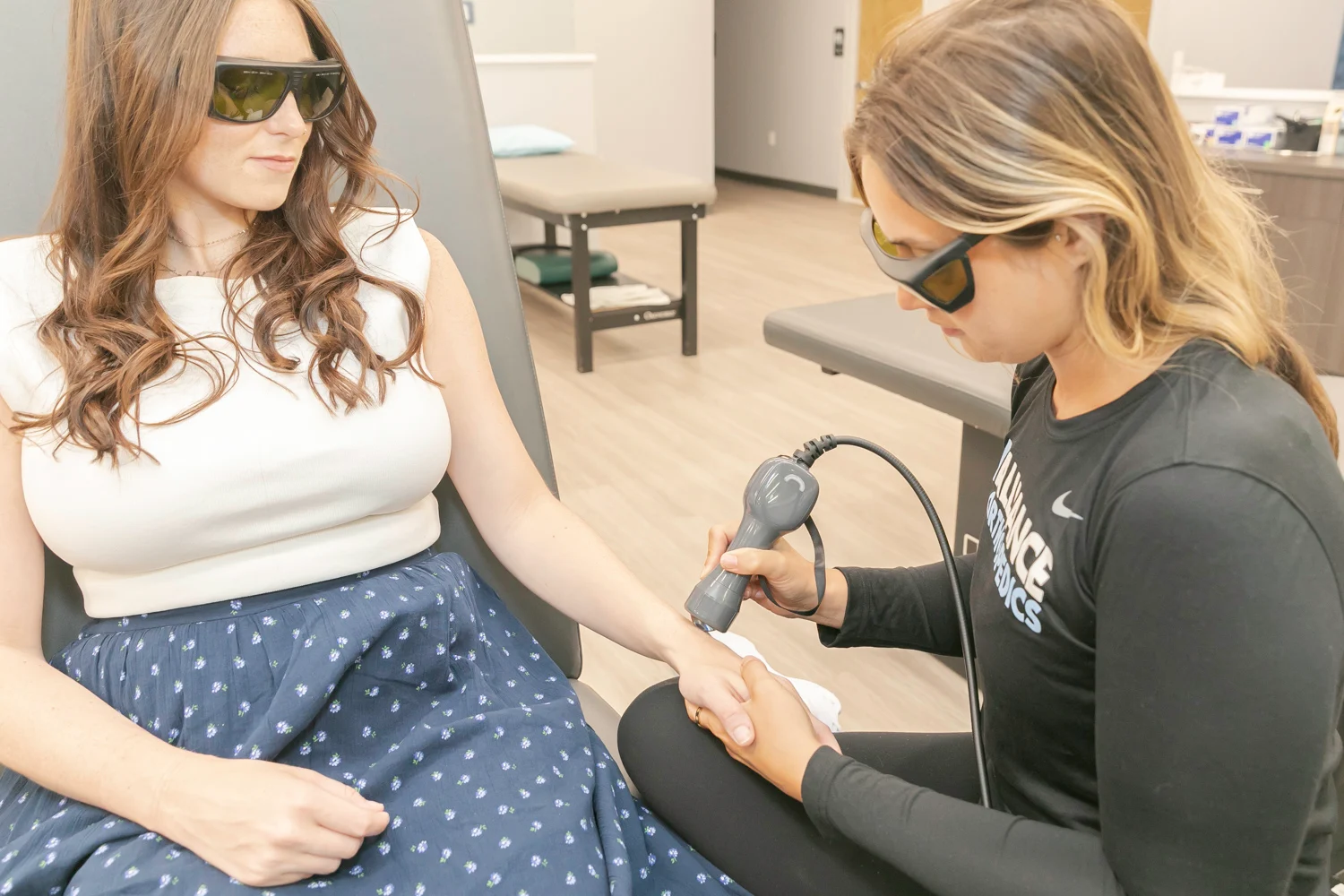
Choose Alliance Orthopedics for care that revolves around you. We listen, collaborate, and create a custom orthopedic treatment plan that fits your life, your goals, and your recovery!
How is a Distal Radius Fracture Diagnosed
Diagnosis starts with a detailed history of how the injury occurred, including the position of your hand, the height of the fall, and any prior bone conditions such as osteoporosis. A focused physical exam checks wrist alignment, swelling, open wounds, and finger motion, as well as circulation and nerve function to be sure blood flow and sensation remain intact. Imaging tests confirm the fracture, show exactly where the bone is broken, and reveal whether the joint surface is involved or pieces are out of place. These findings guide decisions about casting versus surgery and help forecast recovery time and outcomes.
- X-ray: An X-ray uses low-dose radiation to show bone breaks, alignment, joint involvement, and whether fragments are displaced or angulated.
- CT scan: A CT scan creates detailed cross-sectional images, helping map complex, multi-fragment fractures or joint surface damage for surgical planning.
- MRI: An MRI evaluates ligaments, cartilage, and soft tissues; useful if ligament tears or TFCC injuries are suspected.
- Physical and neurovascular exam: Checks skin, swelling, deformity, pulses, capillary refill, and nerve function to rule out vascular or nerve compromise.
Non-Surgical Distal Radius Fracture Treatments in NJ
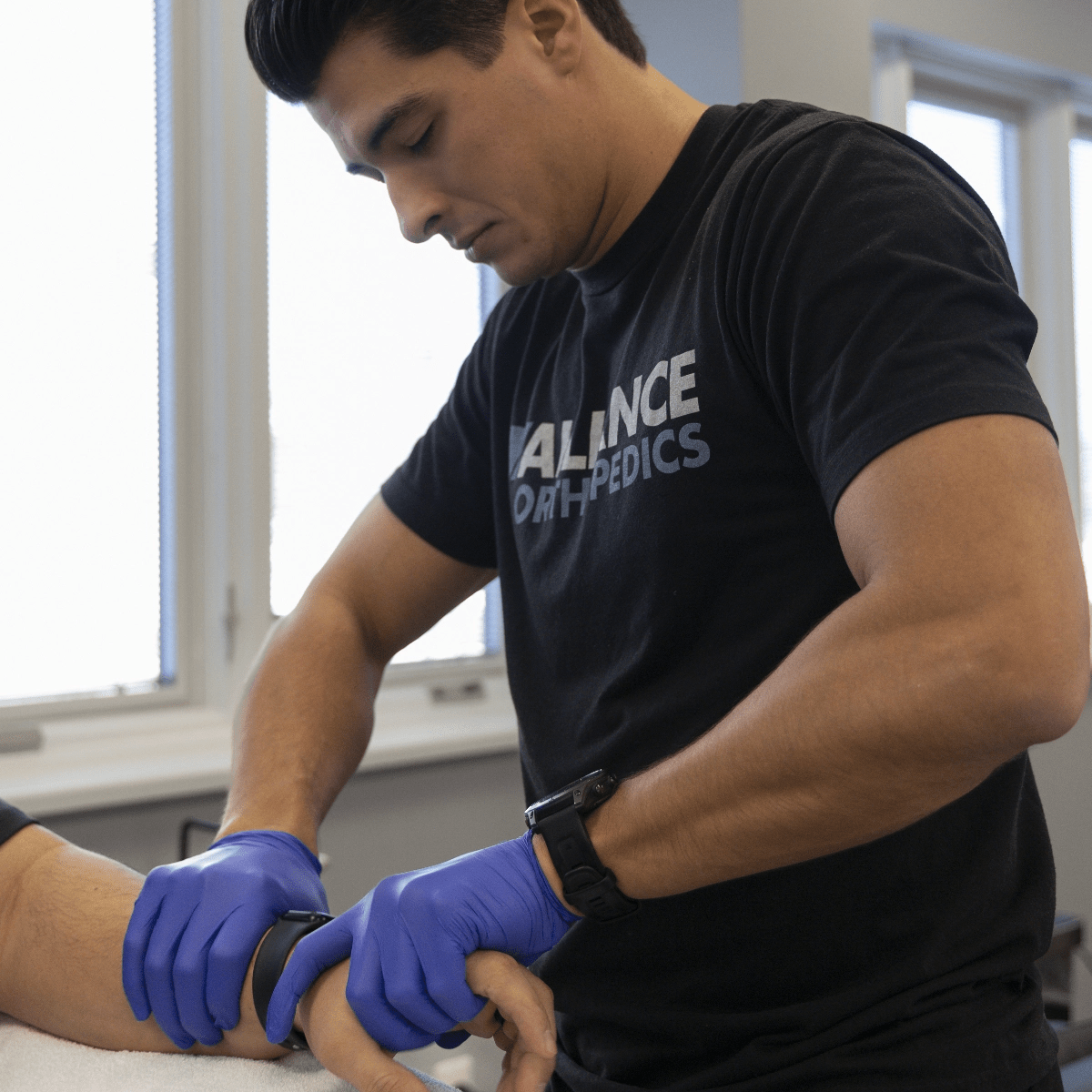
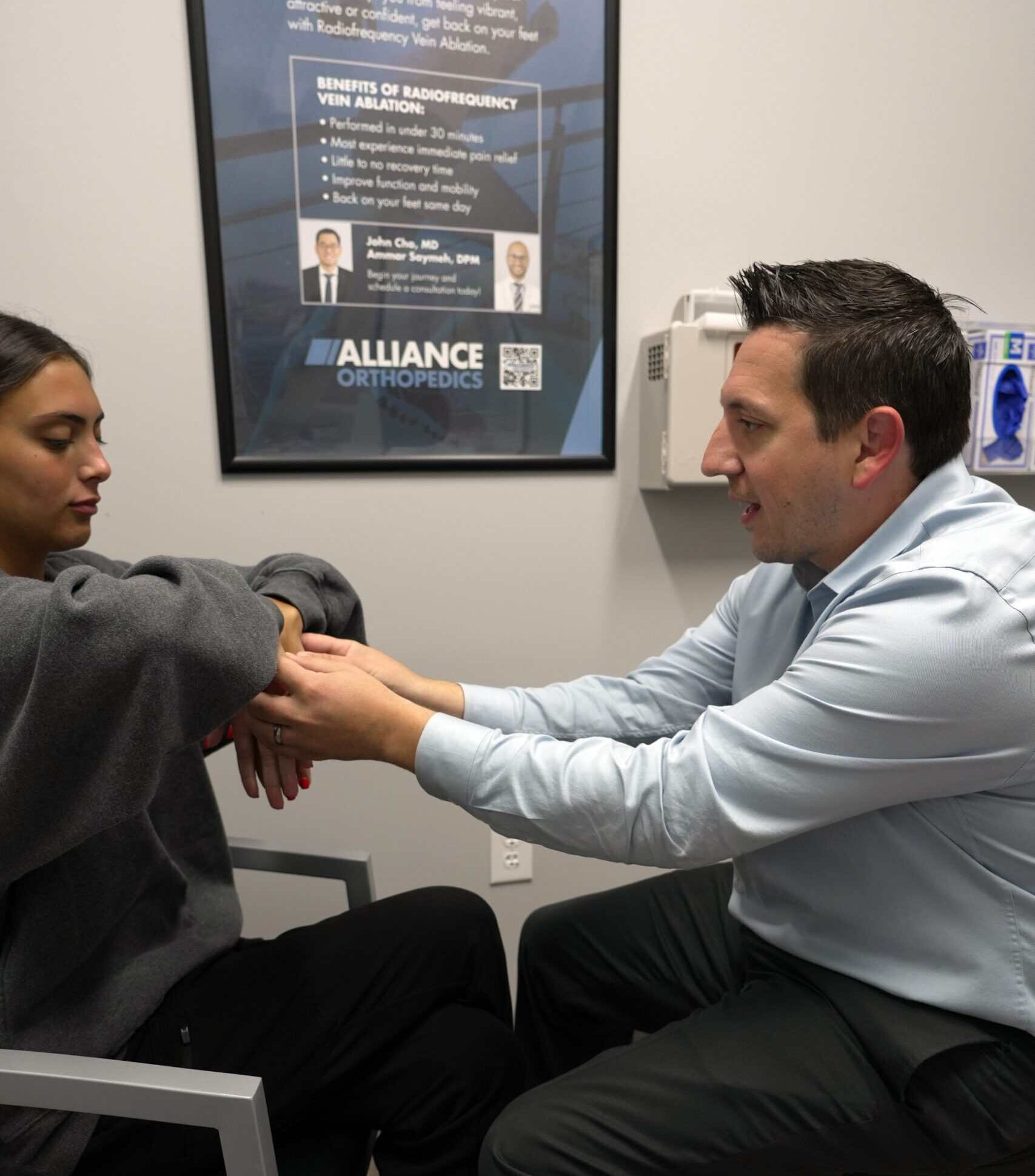
Many distal radius fractures can be treated without surgery when the bone ends remain well aligned or are successfully realigned in the office or emergency room. At Alliance Orthopedics’ New Jersey clinics, specialists gently reposition displaced fractures, then immobilize the wrist in a splint or cast to hold the bone steady while it heals. Pain is managed with medications, ice, and elevation, and follow-up X-rays confirm the fracture stays in a safe position. Once the cast comes off, hand therapy helps restore motion, strength, and grip needed for daily tasks, work, and sports. This approach aims to protect the joint, minimize stiffness, and avoid unnecessary surgery while still achieving a stable, strong wrist.
A custom-molded splint or cast holds the wrist in a protected position, allowing the broken radius to knit together over several weeks. Casts are usually worn for about 4–6 weeks, with periodic X-rays to ensure the bone stays aligned. After removal, therapy focuses on regaining the range of motion and strength.
If the bone fragments have shifted, the provider gently repositions them by hand in a procedure called closed reduction, often using local anesthesia or a numbing block. A splint or cast is then applied to maintain that alignment while healing occurs. Regular follow-up checks ensure that the correction is maintained.
In select, stable fractures or during later stages of healing, a removable brace supports the wrist while allowing gentle motion. This helps control pain, prevents re-injury, and allows hygiene and early exercises. Bracing is often combined with therapy sessions to progressively restore function without stressing the healing bone.
Surgical Distal Radius Fracture Treatments in NJ
Surgery becomes necessary when the fracture is unstable, badly displaced, involves the joint surface, or cannot be held in good position with a cast alone. Alliance Orthopedics hand and wrist surgeons in New Jersey use advanced, anatomically contoured hardware and minimally invasive approaches to restore normal alignment, height, and tilt of the radius. The goal is to rebuild the joint surface as smoothly as possible and hold pieces securely while the bone heals. This often allows earlier motion, limits stiffness, and protects long-term function and grip strength, especially in active patients or those who rely heavily on their hands for work or sports.
Through a carefully placed incision, surgeons realign the broken pieces of the radius, then secure them with low-profile plates and screws designed for the wrist. This rigid fixation restores bone shape and allows earlier, guided motion. It is commonly used for displaced or joint-involving fractures needing precise reconstruction.
In some injuries, especially with significant soft-tissue swelling or multiple fragments, an external fixator frame is applied outside the skin. Pins are placed in the bone above and below the fracture, then connected to a stabilizing bar. This holds the wrist in position while swelling improves and bone begins to heal.
For certain unstable but less complex fractures, thin metal pins are inserted through the skin into the bone fragments to hold alignment without a large incision. The pins are connected to a cast or small external frame. Once healing is sufficient, pins are removed in the office and motion is increased.
Distal Radius Fracture Recovery
Recovery after a distal radius fracture depends on fracture pattern, age, bone quality, and whether surgery is required, but most bones heal in about 6–8 weeks. In the first 1–2 weeks, swelling and pain ease with elevation, ice, medication, and protection in a splint or cast. By 4–6 weeks, many patients move into a removable brace and start gentle range-of-motion exercises for the fingers, wrist, and forearm.
After surgery, supervised motion may begin within 1–2 weeks once the incision and hardware are stable, with strengthening around 6–8 weeks and full recovery of motion and strength over 3–6 months. Alliance Orthopedics coordinates hand therapy at its New Jersey locations through progressive programs that restore flexibility, dexterity, and confidence, enabling patients to return to work, sports, and hobbies safely.
Distal Radius Fracture FAQs
Most distal radius fractures take about 6–8 weeks to heal on X-ray, but full recovery of motion and strength often takes 3–6 months. Simple, stable fractures treated in a cast may return to light activities by 6–8 weeks. More complex fractures, or those treated surgically, may require longer therapy and gradual strengthening. Your job demands, age, and bone quality influence the timeline, and surgeons adjust activity restrictions based on your healing progress at follow-up visits.
Many people regain excellent function and return to nearly all their previous activities, especially when fractures are well aligned and treated promptly. Some stiffness, decreased motion, or mild aching with heavy use can linger, particularly after severe, joint-involving fractures. With appropriate treatment, most patients can resume daily tasks, driving, and sports with minimal lasting limitations. Hand therapy plays a critical role in stretching tight tissues, strengthening weakened muscles, and retraining coordination to optimize your outcome.
No, many distal radius fractures heal well without surgery when the bone fragments are aligned and stable. These are treated with closed reduction if needed, followed by casting and close X-ray monitoring. Surgery is recommended when the fracture is significantly displaced, unstable, involves the joint, or cannot be maintained in a good position. The decision considers your age, activity level, bone density, hand dominance, and goals. Your surgeon will explain why casting or surgery is better for your specific fracture pattern.
Finger motion usually begins right away to prevent stiffness, even while the wrist is immobilized. Light hand use for simple tasks may be allowed once pain is controlled, and your doctor confirms stability. Weight-bearing and heavier gripping are delayed until the bone has healed enough, often after 6–8 weeks. After surgery with stable fixation, guided wrist motion can begin earlier to reduce stiffness, but lifting limits remain in place until your surgeon and therapist clear you for more strenuous activity.
Why Choose Alliance Orthopedics to Treat Distal Radius Fracture?
Alliance Orthopedics provides integrated care for distal radius fractures through fellowship-trained hand and wrist specialists, on-site imaging, and coordinated rehabilitation at multiple locations in New Jersey. The team evaluates fracture type, bone quality, and lifestyle factors to create customized plans that prioritize stable, less-invasive options whenever appropriate. When surgery is required, they use modern, muscle-sparing techniques with low-profile plates or percutaneous pins to protect soft tissues, enabling earlier motion and smoother rehab. Close collaboration with hand therapists speeds return of flexibility, grip strength, and fine motor control for daily tasks, sports, and work across their statewide clinics.

Hand and Wrist Surgeons in New Jersey
Alliance Orthopedics’ hand and wrist surgeons in New Jersey focus on restoring precise wrist alignment and long-term function after distal radius fractures. Their expertise spans simple fractures to complex joint injuries, and they utilize evidence-based casting, fixation, and rehab strategies. Patients benefit from coordinated care that addresses pain, motion, and strength within a single integrated system.

Hand and Wrist Orthopedic Clinics in New Jersey
Alliance Orthopedics operates modern hand and wrist clinics across New Jersey, including Bloomfield, East Brunswick, Fair Lawn, Freehold, Middletown, Old Bridge, Randolph, and Union, providing convenient access to imaging, fracture management, and therapy under one roof. This streamlined model helps patients move efficiently from diagnosis through casting, surgery, and rehabilitation, with consistent guidance at every step.






Recent Blogs