
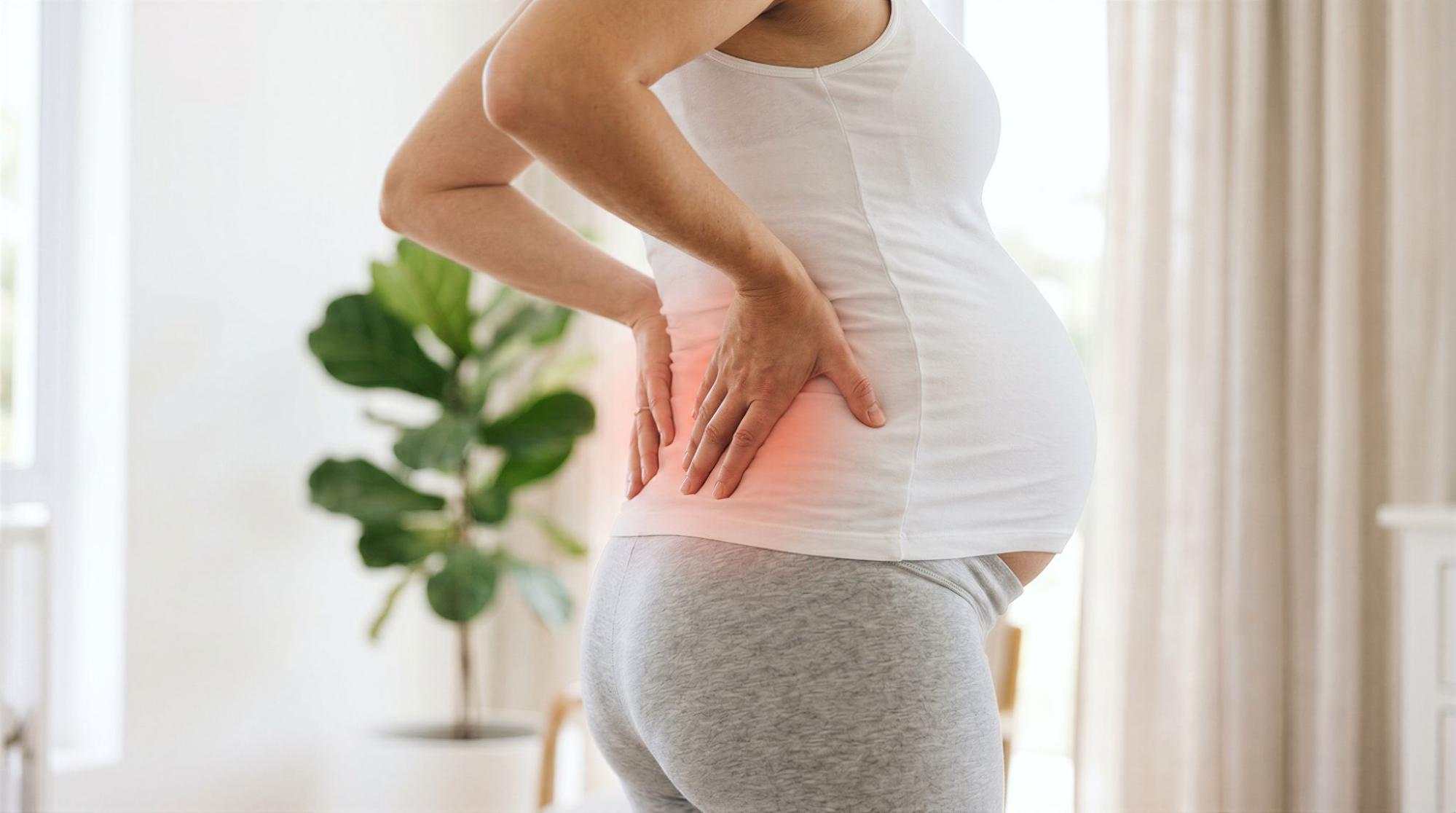
During pregnancy, a lot of things can change other than your schedule and sleep pattern. With the increase of weight and the way your body carries it as well as how you move and your over all posture. If you are a new mother, there’s a high chance you are suffering with lower back pain after pregnancy. Because of the changes during pregnancy while balancing your day to day life, your back ends up doing more work that it did before.
But don’t worry because back pain after pregnancy is often common and it is not something that you have to live with. And we know that in many cases, the pain can improve with the right balance of movement, treatment and support. We are here to help you recover comfortably and get back to feeling more like yourself again.
What Changes in Your Body During Pregnancy That Cause Lower Back Pain
During pregnancy, your center of gravity moves forward as your belly grows larger, this change puts a lot more stress on those muscles and joints that support your spine. Your posture can change without you even realizing it, as you might start leaning back more when standing to manage the weight, or you might arch your back lower back more to as well as walking in a way that adds extra strain to your back.
Hormonal changes can also play a role, because during pregnancy, your body produces hormones that will help loosen ligaments and prepare your pelvis for childbirth. This flexibility helps during pregnancy, but it might leave your lower back and pelvic area feeling weak and less stable. When the regular structures that support your spine are looser than normal, they can be more sensitive to strain and overload.
This can all mean your lower back might be working overtime during the months before your baby is born. And by the time delivery happens, your back will have already been under a lot of additional pressure.
Why Back Pain After Pregnancy Can Continue After Delivery
A lot of women assume that back pain will disappear quickly after pregnancy, but this is quite often not the case. Your body will need time to recover, plus all the demands of caring for your newborn can often make your recovery harder. With the different movements of lifting a baby, bending over their crib, carrying and fitting a car seat, and feeding in awkward positions can all keep your back irritated.
An irregular sleep pattern or sleep deprivation doesn’t help either. Because when you are tired, your muscles are not recovering properly, and your posture will suffer. And as a new parent you are probably spending a lot of time sitting in the same position while breastfeeding or bottle-feeding, which can all add to the strain on your lower back.
So while pregnancy may start your back pain problem, the daily realities of being a new mother after delivery can keep it going. These are all reasons that your back pain after pregnancy can linger longer than expected.
Common Lower Back Pain Causes After Pregnancy
There are normally several reasons for postpartum back pain. And more often than not, it is a mix of several lower back pain causes compounding, and the discomfort can build gradually instead of showing up at the same time. Pregnancy, childbirth, and the physical demands of caring for a newborn can all place extra stress on your lower back, especially when your body is still recovering and adjusting.
Most Common Lower Back Pain Causes
- Weak core muscles after pregnancy.
- Tight or overworked back muscles.
- Changes in posture and body mechanics.
- Pelvic instability or loosened ligaments.
- Strain from lifting, carrying, and feeding your baby.
- Lack of proper rest and recovery.
When your core is weaker, your lower back has to do all of the work. When your posture changes, your back may remain tense for long periods. And when you add in repetitive bending, lifting, and holding your baby in the same position, the pain can definitely be hard to ignore. Even if each movement seems small, the repeated strains all add up.
What Postpartum Lower Back Pain May Feel Like
Lower back pain after pregnancy can show up in a multiple of ways. Some people feel a dull ache across their lower back, while others notice stiffness first thing in the morning or after sitting for a while in the same position. The pain may flare up when bending, twisting, or lifting. And in some cases, it feels more noticeable on one side of your back than the other.
Having said that, not all back pain feels the same. You might notice soreness near the waistband area, discomfort around your hips, or pain that spreads into your glutes. Some people describe their back as feeling “tight” or “out of place,” while others say it feels like their back just never completely relaxes.
Even though the pain can be an inconvenience, this is usually your body’s way of telling you it needs support, not a sign that something is seriously wrong. But, if the pain is intense, lasts for a long period of time, or keeps getting worse, then you need to get it checked.
What Postpartum Lower Back Pain May Feel Like
The good news is that you can get better with the right approach. Gentle movement, guided exercises, and daily posture changes can all make a difference. And in a lot of occasions, physical therapy can be especially helpful because it focuses on rebuilding core strength, improving flexibility, and teaching your body how to move in a more balanced way.
Helpful Habits to Ease Back Pressure
- Try to keep your baby close when lifting to reduce the strain.
- Use supportive chairs and pillows when feeding your baby.
- Avoid twisting while holding your baby.
- Take short walking breaks when ever you can.
- Focus on rebuilding core and pelvic support slowly and gradually.
The goal is never to push through the pain. It is to help your body recover in a way that supports long-term strength, comfort and stability in your body. And small changes will often add up more than you might expect.
When to Get Checked for Back Pain After Pregnancy
Back pain after pregnancy is common with a lot of women, but that does not mean you should ignore it if it is affecting your life. If the pain is stopping you from caring for your baby comfortably, making it more difficult to sleep, or keeping you from your normal daily activities, then it is definitely time to talk to one of our specialists here at Alliance Orthopedics.
And you should get evaluated immediately if your pain is severe, lasts longer than expected, or seems to be spreading. While many of the postpartum back pain cases we see are related to muscle strain, posture, or joint stress, a proper evaluation can help rule out other problems and guide you toward the right treatment.
At Alliance Orthopedics, we understand that new mothers do not want to deal with pain that lingers. Our multidisciplinary team offers orthopedic care, physical therapy, pain management, and other treatment options designed to help you recover in a way that fits with your life. The right plan can make a real difference in how you move, feel, and function every day.
Don’t worry because lower back pain after pregnancy is incredibly common, but it is definitely something you should not accept. Between the physical changes of pregnancy, the strain of childbirth, and the demands of caring for your newborn, there are many reasons your back may still be hurting. The important thing is knowing that help is available and recovery is possible with our support.
If you are dealing with lower back pain or back pain after pregnancy, schedule an appointment with us at Alliance Orthopedics. Our team can help identify the lower back pain causes behind your symptoms and create a treatment plan that supports healing, comfort, and a smoother return to your everyday life.