
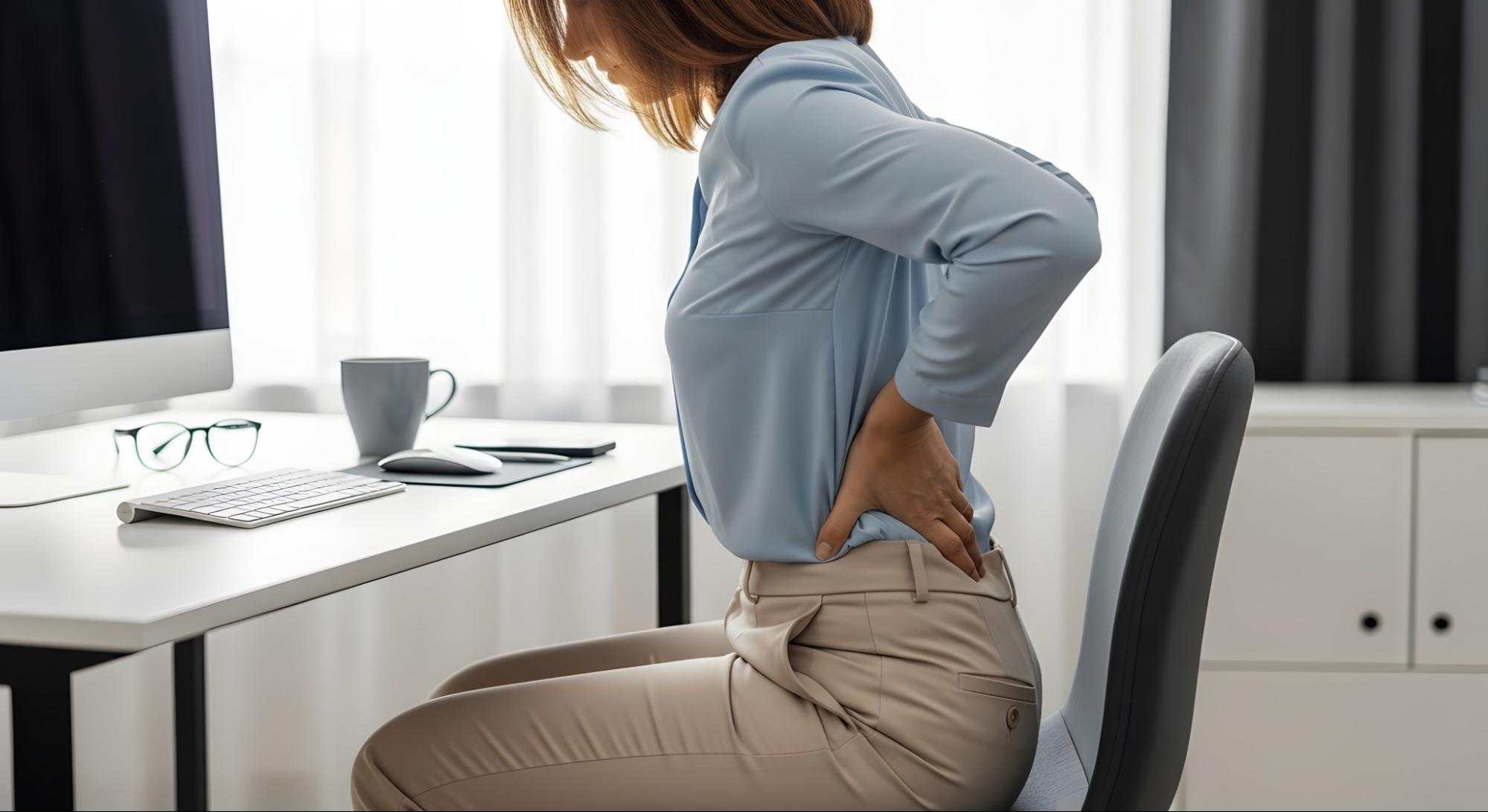
Lower back pain is a common complaint among women of all ages. It can be stubborn, frustrating, and often hard to explain. Whether it sneaks up slowly or hits suddenly, lower back pain can disrupt everything from work and exercise to sleep and daily chores. While many people think of back pain as a simple muscle strain or injury, for women, the reasons behind it can be varied and sometimes rather unique. Understanding what causes lower back pain in females helps you get the right treatment and find relief faster.
Why is Lower Back Pain Common in Women?
There are many reasons why lower back pain affects women so frequently. Differences in anatomy, hormonal cycles, and reproductive health all play a part. Women often face challenges from everyday stresses on the body, changes during pregnancy, and shifts in hormones during menstrual cycles and menopause, all of which can contribute to back discomfort.
Common Causes of Lower Back Pain in Women
Muscular and Ligament Strain
Just like anyone else, women can suffer from muscle strains or ligament sprains caused by activities such as heavy lifting, sudden movements, or repetitive bending. Poor posture or prolonged sitting (for example, at a desk job) tightens and weakens muscles supporting the spine, leading to discomfort.
Hormonal Influences
Hormonal changes during menstruation, pregnancy, and menopause affect how women experience pain. For example, increased levels of relaxin during pregnancy loosen ligaments to prepare the body for childbirth, but can also make joints less stable, increasing the chance of strain or backache. Menstrual cycles can also bring inflammation and water retention that cause lower back sensitivity. After menopause, dropping estrogen contributes to bone loss (osteoporosis) and joint stiffness, both of which can lead to pain.
Pregnancy-Related Change
Pregnancy adds extra weight and shifts a woman’s center of gravity, putting more pressure on the lower back. The growing uterus stretches abdominal muscles, reducing support for the spine, often leading to aches. Posture changes and hormonal influences on ligaments compound this effect.
Pelvic and Gynecological Conditions
Several female-specific health issues can cause or worsen lower back pain. Endometriosis, where tissue similar to the uterine lining grows outside the uterus, can trigger pain that radiates to the back. Uterine fibroids, ovarian cysts, and pelvic inflammatory disease can create pressure or inflammation affecting nerves around the lower back and pelvis.
Degenerative Conditions
As women age, degenerative changes often develop in the spine’s discs and joints. Osteoarthritis wears down cartilage, leading to inflammation and stiffness in the lumbar spine. Osteoporosis, particularly common after menopause, weakens bones, making fractures more likely and often painful.
Pelvic Floor Dysfunction
The pelvic floor muscles support the pelvic organs and help maintain core stability. When these muscles are weak, tight, or dysfunctional, they can cause imbalances that lead to lower back pain or urinary and bowel symptoms.
Lifestyle Factors
Sedentary lifestyles, obesity, and carrying heavy bags/items contribute to excess strain on the spine. Wearing high heels shifts body weight forward, often causing lower back discomfort. Mental health factors, such as stress or anxiety, can also amplify pain and make symptoms feel worse.
When Should a Woman See a Spine Specialist?
Many episodes of lower back pain improve with self-care measures like rest, gentle stretching, and over-the-counter medications. However, if you experience any of the following, it’s important to see a spine specialist or orthopedic doctor:
- Pain lasting longer than 4-6 weeks without improvement
- Pain that radiates down one or both legs, accompanied by numbness, tingling, or weakness
- Difficulty standing or walking, or loss of bladder or bowel control
- Severe pain after trauma or injury
- Unexplained weight loss along with back pain
- A history of osteoporosis, cancer, or other chronic diseases
Early evaluation can identify underlying problems, preventing worsened symptoms and enabling timely treatment tailored to your needs. Our spine specialists in New Jersey use detailed exams and advanced imaging to differentiate causes and recommend the best orthopedic spine care plan.
Treatment Options for Female Lower Back Pain
At Alliance Orthopedics, we tailor your treatment to your specific symptoms, lifestyle, and spine health needs. Your care starts with an accurate diagnosis so we can understand exactly what’s causing your lower back pain and choose the most effective path forward. Depending on your situation, your treatment plan may include:
- Physical therapy programs focusing on posture, core strength, and flexibility
- Medication or injections to control inflammation and relieve pain
- Lifestyle counseling to improve ergonomics, exercise, and weight management
- Minimally invasive procedures or surgery when conservative care isn’t enough
- Coordination with gynecologists if reproductive issues contribute to pain
We understand that women’s lower back pain can be influenced by physical changes, hormonal shifts, and daily lifestyle demands. Our team takes a whole-person approach to help you find pain relief.
How Alliance Orthopedic Can Help Females with Lower Back Pain
At Alliance Orthopedics, we understand how lower back pain can affect your daily life, especially for women who often juggle work, family, and everything in between. Our spine specialists take the time to listen to your concerns, understand your symptoms, and get to the source of what’s causing your pain. Whether it’s muscle strain, pregnancy-related changes, degenerative conditions, or pelvic issues, we offer a wide range of treatments, from conservative care to effective surgical options when needed.
You’ll never feel rushed or overlooked here. We explain your condition in clear, simple terms and guide you through every step of your care with compassion. With convenient locations across New Jersey and a team experienced in women’s spine health, we’re here to help you move with confidence and feel like yourself again.
Don’t let lower back pain limit the moments that matter most. Request an appointment today and take your first step toward real, lasting lower back pain relief.