
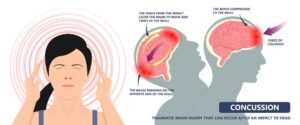
Imagine taking a hard hit during a pickup soccer game or bumping your head in a minor car fender-bender. Suddenly, everything feels off, your head throbs, the room spins a bit, and focusing on simple tasks becomes a struggle. While most people think of them as just a “ding to the head,” the reality is that it could be a concussion.
Concussions are no small matter; they’re a type of brain injury that can sideline even the toughest athletes and everyday people alike. Whether the concussion happened during a sports game, a fall, or a car accident, symptoms like headaches, dizziness, brain fog, and fatigue can make everyday life feel difficult and uncertain.
While many concussions improve within a few weeks, recovery is not the same for everyone. Some people feel better quickly, while others notice symptoms that linger longer than expected. Understanding typical concussion timelines and what can affect recovery can help you know what’s normal, when to be patient, and when it’s time to get checked.
At Alliance Orthopedics, our orthopedic specialists help patients in New Jersey recover from concussions every day. Knowing what to expect during recovery can reduce anxiety and help you take the right steps to protect your brain and return safely to work, school, and sports.
Concussion Recovery Time
One of the first questions patients ask is how long concussion symptoms usually last. The honest answer is that it varies based on the person, how the injury happened, and how quickly recovery steps begin.
For many people, symptoms like headaches, dizziness, and trouble concentrating start to improve within the first week. Studies show that about 60–80% of people feel mostly back to normal within 10–14 days when they rest appropriately and follow a gradual return to activity. Children and teens often take longer, sometimes up to a month, because their brains are still developing.
It’s also important to know that feeling better doesn’t always mean the brain has fully healed. Even after symptoms fade, the brain may still be recovering behind the scenes for two to four weeks. Returning to work, school, exercise, or sports too quickly can cause symptoms to flare back up or linger longer than expected.
Recovery time can be influenced by several factors, including age, previous concussions, sleep quality, stress levels, and pre-existing conditions such as migraines. Some women also report longer-lasting symptoms, which may be related to hormonal factors. The takeaway is simple: giving your brain time to heal and easing back into normal activities can shorten recovery and reduce the risk of long-term issues
Concussion Recovery Stages
Concussion recovery isn’t something you rush through. Instead of following a strict timeline, most people move through recovery in steps, only increasing activity when their symptoms stay under control. If you try to do too much too soon, you may notice headaches, dizziness, or brain fog come back. That’s why doctors recommend a gradual return to activity, letting your brain heal as you slowly reintroduce physical and mental demands. Below is a simple breakdown of the six stages of concussion recovery and what you can expect at each point.
| Stage | Activity Level | Goal | Examples |
| Acute Rest | No activity | Reduce symptoms | Rest, limit screens |
| Light Aerobic | Low | Safely raise your heart rate | Walking, stationary bike |
| Moderate | Medium | Build tolerance to movement | Jogging, cycling |
| Heavy (No Contact) | High | Prepare for full activity | Weights, HIIT, work tasks |
| Full Contact | Sport-specific | Test readiness safely | Practice with contact |
| Full Recovery | Normal | Return to daily life | Sports, work, exercise |
Why Concussion Recovery Time Varies from Person to Person
Concussion recovery isn’t one-size-fits-all. Many healthy adults with a first-time concussion recover quickly because the brain’s energy systems rebound quickly. However, factors such as repeat head injuries, poor sleep, high stress, or untreated neck strain can slow healing and extend the recovery time.
Activity level can also play a role. Athletes, for example, face extra hurdles with concussion return-to-play protocols that require proof that they can handle increasing levels of physical activity without their symptoms returning. While this approach is important for safety, it can make the recovery timeline feel longer than expected.
For about 20–30% of people, symptoms last beyond a month, entering what’s known as post-concussion syndrome. This doesn’t mean recovery has failed or that something permanent is happening. It simply means the brain is taking longer to heal and may need more focused support to get back on track. Treatment during this phase often includes balance therapy, vision therapy, and a guided return to activity based on how your symptoms respond. Ignoring lingering symptoms can increase the risk of ongoing headaches, fatigue, or mood changes.
The good news is that early concussion treatment can shorten recovery and reduce setbacks. At Alliance Orthopedics, we help patients across New Jersey identify what’s slowing recovery and use the right mix of rest and active rehabilitation to move healing forward safely.
Common Recovery Setbacks and How to Avoid Them
Concussion recovery can have ups and downs, and it’s normal for symptoms to come and go as your brain heals. Feeling more tired than usual is common, and symptoms may flare up when the brain is overstimulated. Bright lights, noisy environments, long screen time, or returning to a full schedule too quickly can all slow recovery.
Some common setbacks to be aware of include:
- Spending too much time on screens or relying heavily on caffeine, which can worsen headaches, irritability, and sleep issues
- Skipping meals or not drinking enough fluids, leading to low energy and brain fog
- Returning to contact sports, intense workouts, or higher-risk activities before being medically cleared
To avoid setbacks and support your recovery:
- Focus on consistent sleep, aiming for 8–10 hours each night
- Eat regular, balanced meals and stay well hydrated throughout the day
- Keep your daily activities and routine calm and predictable to limit symptom flare-ups
- Track symptoms day to day to help you and your care team identify patterns
When Concussion Symptoms Need More Attention

Most concussions improve within one to four weeks, but certain symptoms shouldn’t be ignored. If headaches are getting worse, vomiting continues, speech becomes slurred, seizures occur, or there is new numbness or weakness, it’s important to go to the emergency room right away. These symptoms can point to more serious complications, such as bleeding or swelling in the brain.
In other cases, symptoms aren’t urgent but still deserve follow-up. Ongoing brain fog, difficulty concentrating, worsening balance, or noticeable changes in mood or personality after the first couple of weeks are signs that additional evaluation may be helpful. Scheduling a concussion test with an orthopedic specialist and getting additional imaging can help clarify what’s contributing to slower recovery and guide next steps in your recovery.
Life After a Concussion: Protecting Your Brain Long Term
Once you’ve moved through the concussion recovery stages and symptoms have resolved, it’s natural to feel ready to move on. Still, taking steps to protect your brain long term is important. Repeat concussions, especially those that occur before full recovery, can lead to longer healing times, more intense symptoms, and ongoing issues such as headaches, concentration problems, or memory changes.
Reducing future risk often comes down to everyday habits. Using proper technique and protective equipment during sports, wearing a helmet while biking, and making the home safer with good lighting and secure railings can all help prevent falls and head injuries. Building neck and core strength can improve stability and help absorb impact, while regular balance exercises can improve coordination and reaction time.
Staying aware of your overall health also plays a role. Keeping up with routine checkups, paying attention to any new or returning symptoms, and making sure family members know the warning signs of a concussion can help catch problems early. With the right precautions, most people are able to return to work, sports, and daily activities with confidence. At Alliance Orthopedics, we help patients across New Jersey understand how to protect their brain health and stay active long after concussion recovery.
Concussion Care in New Jersey
If a concussion has you sidelined, you don’t have to guess your way through recovery. Alliance Orthopedics provides comprehensive concussion care, from accurate diagnosis to guidance on safely returning to work, school, and sports. Our team takes the time to understand your symptoms and create a recovery plan that fits your lifestyle and activity level to help you get better every day.
With locations in Bloomfield, East Brunswick, Fair Lawn, Freehold, Middletown, Old Bridge, Randolph, and Union, Alliance Orthopedics makes it easier to get care close to home. When you’re ready, you can request an appointment or contact your nearest office to take the next step toward feeling like yourself again, without lingering headaches or uncertainty.