
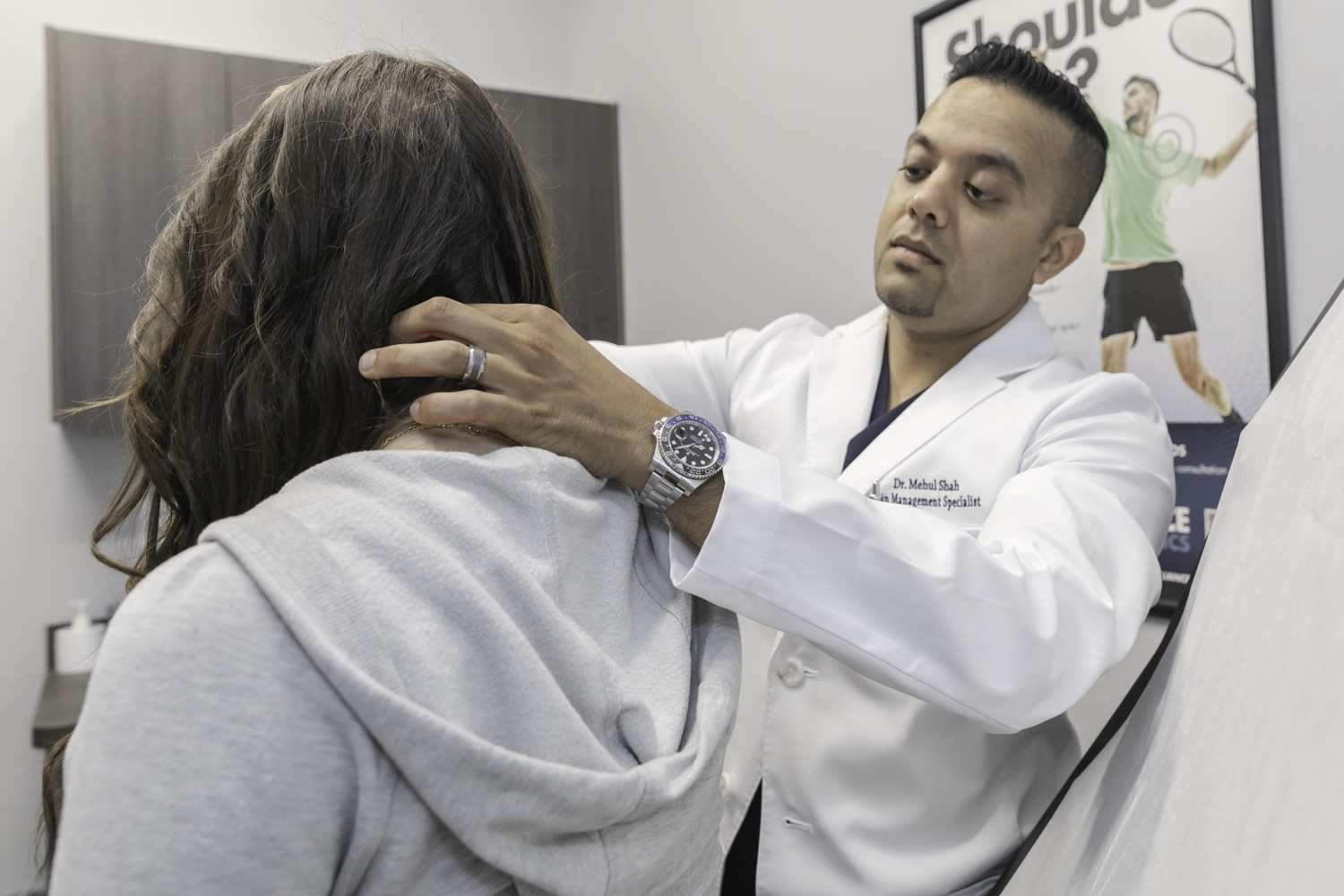
A hit to the head can seem minor at the moment, but even a “small” blow can jolt the brain and cause a concussion. A concussion is a mild traumatic brain injury that temporarily changes how the brain works, even if imaging looks normal and you never lose consciousness. Recognizing the signs early helps protect your brain, prevent a second injury, and support a full recovery instead of pushing through symptoms.
At Alliance Orthopedics in New Jersey, we treat concussions regularly, but we know concussions are often misunderstood. If you’ve hit your head and something just doesn’t feel right, it’s worth paying attention. Concussion symptoms aren’t always obvious right away, and many people try to push through them. Understanding what to watch for and when to get checked can make a real difference in how quickly and fully you recover.

What is a Concussion?
A concussion happens when a bump, blow, or jolt to the head, or a hit to the body that snaps the head back and forth, causes the brain to move inside the skull. This movement stretches and disrupts brain cells, changing how they communicate. You do not need to lose consciousness to have a concussion. Many people walk, talk, and “seem fine” right after the injury, yet develop symptoms over the next minutes, hours, or even days.
Most concussions are considered mild in terms of imaging and structure, but the symptoms can feel anything but mild. Headaches, dizziness, fogginess, and mood changes can interfere with school, work, driving, and sports. The good news: with the right rest, activity plan, and follow-up, most people recover fully within a few weeks to a couple of months.
Signs of a Concussion

Doctors often group concussion symptoms into four main categories to make patterns easier to recognize. Some people experience mostly physical symptoms, while others notice changes in concentration or mood instead of headaches. Symptoms may appear right away or develop gradually over the next 24–72 hours.
- Physical Symptoms
- Headache or a feeling of pressure in the head
- Nausea or vomiting (especially early on)
- Dizziness, balance problems, or feeling unsteady
- Sensitivity to light or noise
- Fatigue, low energy, feeling “wiped out”
- Blurry or double vision, seeing “stars”
- Ringing in the ears
- Cognitive (Thinking) Symptoms
- Feeling confused, “foggy,” or mentally slowed down
- Trouble concentrating on tasks, screens, or reading
- Short-term memory problems (repeating questions, forgetting what you just did)
- Emotional Symptoms
- Irritability or getting upset more easily than usual
- Anxiety, nervousness, or feeling on edge
- Sadness or emotional ups and downs
- Sleep Symptoms
- Trouble falling asleep or staying asleep
- Sleeping much more or much less than usual
Immediate vs. Delayed Concussion Symptoms
Not all concussion symptoms start at the same time. Some are noticeable right after the injury, while others develop gradually over the next few days. If symptoms are getting worse or not improving, don’t ignore them; talk with a medical professional instead of waiting it out.
| Timing | Common Symptoms |
| Immediate (minutes to hours) | Headache, dizziness, confusion, “foggy” feeling, nausea, balance problems, sensitivity to light or noise, and appearing dazed. |
| Delayed (24 to 72 hours) | Trouble concentrating, memory issues, irritability, anxiety, sleep problems, depression, increased sensitivity to light or noise, feeling more emotional, or “not yourself.” |
Concussion Red Flags: When to Go to the Emergency Room
Most concussions can be safely managed in an outpatient setting, but certain warning signs mean an emergency room visit is needed right away. These red flags may point to a brain bleed or a more serious injury and should never be ignored.
Go to the ER immediately if you or your child:
- Has a headache that keeps getting worse and does not improve with rest or medication
- Vomits repeatedly after the injury
- Develops seizures or convulsions, slurred speech, new weakness, numbness, or trouble walking
- Has one pupil larger than the other, cannot be fully woken up, or becomes increasingly confused or very difficult to arouse
- Has clear fluid or blood draining from the nose or ears, or a major change in behavior that feels “not like them”
These symptoms are urgent. Call 911 or go to the nearest emergency room rather than driving yourself if there is severe dizziness, confusion, or worsening symptoms.
For symptoms that are concerning but not an emergency, such as a lingering headache, brain fog, or balance issues without red flags, Alliance Orthopedics can evaluate you the same day, check for neurological concerns, and help guide a safe return to work, school, and sports.
Concussion Self-Assessment Checklist
If you’re asking yourself, “Do I have a concussion?” after a fall, car accident, sports hit, or blow to the head, this simple yes/no checklist can help you figure out whether you should get checked. It’s not a diagnosis, just a guide to help you decide your next step.
Answer Each Question Yes or No:
- Do you have a headache or a feeling of pressure in your head since the injury?
- Have you felt dizzy, off-balance, or unsteady on your feet?
- Are you more sensitive to light or noise than usual?
- Do you feel mentally “foggy,” slower, or easily confused?
- Are you having trouble concentrating on reading, screens, or conversations?
- Have you noticed memory problems, like forgetting what you just did or said?
- Have you felt more irritable, anxious, or emotional than normal?
- Has your sleep changed, such as trouble falling asleep, or sleeping much more or less?
- Did anyone notice you seemed dazed, stunned, or briefly knocked out at the time?
- Are your symptoms worse with physical activity, schoolwork, or screen time?
If you answered “yes” to three or more questions, it’s a good idea to request an appointment with one of our orthopedic specialists at Alliance Orthopedics who is experienced in concussion care. If any of your answers match the emergency “danger signs” listed earlier, go to the ER right away rather than waiting.
Myths About Concussions
Myths about concussions are everywhere, on the sidelines, in locker rooms, at work, and even in family conversations. These misunderstandings can make people shrug off real symptoms, delay getting checked, or push themselves back into activity too soon. Clearing up the most common misconceptions helps you take head injuries seriously, recognize when something is wrong, and get the right care at the right time. Here are a few common myths that may delay you from scheduling an appointment with a doctor right away:
“Only athletes get concussions.”
False. Many concussions come from falls at home, car crashes, bike accidents, or work injuries, not just sports. Anyone can be affected, from young kids to older adults.
“You’ll know right away if it’s serious.”
Not always. Some of the most important concussion symptoms, like trouble thinking clearly, mood changes, or sleep problems, may not show up for hours or days. Feeling “okay” right after the hit does not guarantee you are in the clear.
“If you didn’t pass out, it’s not a concussion.”
Wrong. Many people with documented concussions never lose consciousness. Any combination of the symptoms above after a head or whiplash injury deserves attention.
“You just need to sleep it off.”
Short-term rest is important, but staying in a dark room for days can slow recovery. Current guidelines support brief rest followed by a gradual, guided return to normal activities.
Who is Most at Risk for a Concussion?

Some people bounce back quickly from a concussion, while others struggle with symptoms that linger for weeks or months. The difference is not just about how “hard” you were hit, as your age, history, and overall health all play a role in how vulnerable your brain is and how long recovery might take. Understanding who is at higher risk can help you be more cautious after a head impact and quicker to get care when symptoms appear.
- Previous concussions, especially if close together in time
- Young children and teens, whose brains are still developing
- Older adults, who may have balance issues or be on blood thinners
- People in contact sports, high-risk jobs, or with conditions like migraines or anxiety
Concussion Treatment Options: What Orthopedic & Physical Therapy Care Looks Like
Modern concussion treatment focuses on three main goals: protecting the brain from further injury, managing symptoms, and guiding a safe, step-by-step return to daily activities. Early evaluation helps rule out more serious problems, set clear expectations, and reduce anxiety, which can make symptoms feel worse. Most people improve steadily with a structured treatment plan, and those with lingering symptoms often benefit from specialized post-concussion care.
Concussion treatment may include:
- Short-term rest from physical and mental strain, including intense exercise, prolonged screen time, heavy schoolwork, or demanding work tasks
- Gradual, supervised return to activity, with carefully timed increases in physical and cognitive demands as symptoms improve
- Vestibular physical therapy to address dizziness, balance problems, and motion sensitivity
- Vision therapy or visual-motor exercises to help with eye tracking, focus, and reading difficulties
- Cervical spine evaluation and treatment, since neck injuries commonly contribute to headaches, dizziness, and concentration issues after a concussion
- Headache management strategies, including activity pacing and targeted therapies
- Sleep support, focusing on healthy routines that promote brain recovery
- Cognitive strategies to help with memory, focus, and mental fatigue during recovery
- Return-to-sport, work, and school guidance, tailored to the patient’s symptoms and progress
Concussion Treatment in New Jersey
If you think you may have a concussion, you don’t have to figure it out on your own. Alliance Orthopedics treats concussion symptoms and head injuries for patients across New Jersey, combining careful treatment with personalized recovery plans based on your sport, job, school demands, and daily life.
Whether symptoms began on the field, after a car accident, or from a simple fall, getting checked sooner can shorten recovery time and help protect your long-term brain health.
Request an appointment with Alliance Orthopedics today to schedule a concussion evaluation and get a clear, step-by-step plan to safely return to work, school, and sports, and get better every day.