
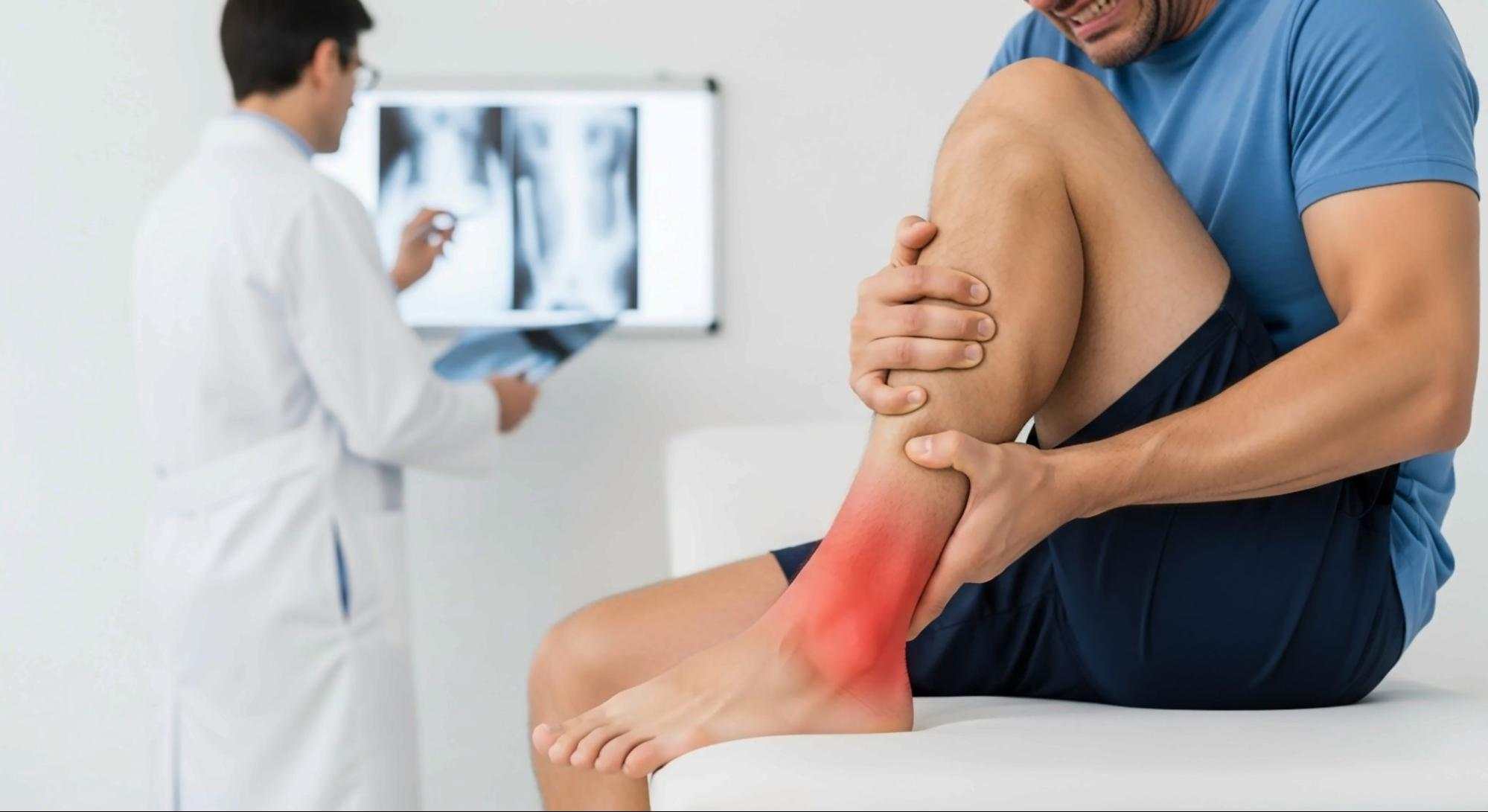
It often starts quietly.
A little stiffness first thing in the morning. A dull ache after a workout. A feeling that something is not quite right, but easy to ignore because life is busy, and pain that whispers feels manageable.
The Achilles tendon rarely demands attention at first. It merely suggests it.
This tendon, the thick band connecting your calf muscles to your heel, is built for power. Every step, every jump, every push off the ground relies on it. When it is healthy, it disappears into the background of daily life. When it is not, it slowly takes center stage.
At Alliance Orthopedics, we often meet people who share a similar story. Most patients did not wake up one day, suddenly injured; their bodies tried to talk to them long before that moment, but were ignored.
Achilles tendon issues are not a single problem. They are a family of conditions, each with its own personality, warning signs, and path forward.
How Achilles Tendon Pain Progresses Over Time
Achilles tendon pain rarely appears out of nowhere. It tends to follow a pattern, beginning with mild discomfort that comes and goes, often easing once the body warms up or after a short period of rest. That temporary improvement can be misleading. While symptoms may fade, the underlying stress on the tendon often continues, especially when activity levels remain high or recovery is incomplete. Over time, what once felt like a manageable nuisance can quietly evolve into something more persistent and limiting.
As the tendon continues to absorb repeated strain, its ability to heal and adapt begins to change. Inflammation may give way to structural breakdown, stiffness becomes harder to shake, and pain lasts longer between activities. This gradual progression explains why Achilles tendon problems are best understood not as a single injury, but as a spectrum of related conditions. Recognizing where symptoms fall along that spectrum is essential because each stage requires a different approach to treatment and recovery.
Types of Achilles Tendon Injuries and Conditions
Rather than existing as separate, unrelated diagnoses, Achilles tendon injuries are classified based on where the tendon is affected and how much structural change has occurred. Early irritation can progress into structural changes within the tendon, and in some cases, advance to more serious damage if underlying stressors are not addressed. While symptoms may feel different from person to person, these conditions are closely related and often represent different stages of the same process. Understanding where a patient falls along this spectrum helps guide treatment decisions, timelines, and expectations for recovery.
Achilles Tendinitis
One of the most common Achilles tendon issues is Achilles Tendinitis. This is irritation and inflammation, often caused by overuse, sudden increases in activity, or changes in footwear or training surfaces. Runners, weekend athletes, and people who stand for long hours often notice soreness along the tendon or near the heel. The pain may improve as the day goes on, which makes it tempting to push through. That temporary relief can be misleading. Inflammation is the body asking for help, not permission to keep going.
Achilles Tendinosis
When early signs of inflammation are ignored, it can evolve into Achilles Tendinosis. This is not just irritation. It is degeneration. The tendon fibers begin to weaken and lose their healthy structure. Pain becomes more persistent. Stiffness lingers. Performance declines. At this stage, rest alone is rarely enough. The tendon needs a structured plan to restore strength, load tolerance, and confidence.
Insertional Achilles Pain
Another condition we see is insertional Achilles pain. This occurs where the tendon attaches to the heel bone. It often feels sharp and localized, especially with uphill walking, climbing stairs, or wearing shoes that rub the back of the heel. Swelling and tenderness can make even everyday activities uncomfortable. This type of pain requires a thoughtful approach because aggressive stretching or loading can make symptoms worse if not guided correctly.
Achilles Rupture
Then there’s the injury people fear most: an Achilles rupture. This is often described as a sudden pop or snap, followed by immediate weakness and difficulty walking. It can happen during sports, but it can also occur during a simple movement when the tendon has been quietly weakening over time. A rupture is dramatic, but it is rarely random. It is usually the final chapter of a story that began with smaller, ignored signals.
Underlying Factors That Contribute to Achilles Tendon Pain
There are also less obvious contributors that matter: Tight calf muscles, limited ankle mobility, poor movement mechanics, and even training schedules that do not allow for proper recovery can all place extra strain on the Achilles tendon. Pain is rarely just about the tendon itself. It is about the system around it.
Why Early Treatment Matters for Achilles Tendon Pain
The good news is that most Achilles tendon issues respond extremely well to the proper care at the right time. Early intervention can mean the difference between weeks of guided recovery or months of frustration. The key is understanding that pain is information, not an inconvenience.
Achilles Tendon Pain Treatment at Alliance Orthopedics in NJ
At Alliance Orthopedics, we approach Achilles injuries by listening first. We look at how you move, how you train, how you work, and what your goals are. Whether your goal is returning to your favorite sport, keeping up with your kids, or simply walking without pain, the plan should match the future you want to get back to.
If you’re experiencing Achilles tendon pain, don’t ignore it. The Achilles tendon is strong, but it is not invincible. It thrives on smart loading, proper recovery, and respect for its signals; when it speaks, it is worth listening to. Request an appointment today at one of our orthopedic clinics in New Jersey to relieve your Achilles tendon pain, and we’ll help you get better every day with our expert foot and ankle treatments.