

Carpal tunnel syndrome is one of the most common conditions affecting the hand and wrist. For many people, it begins gradually with mild symptoms that are easy to ignore. A hand that feels numb, a tingling sensation in the fingers, or discomfort in the wrist after a long day of typing may not seem serious at first.
Over time, however, these symptoms can become more noticeable and begin to interfere with daily activities. Understanding what carpal tunnel feels like can help people recognize the condition early and get the right treatment.
What Is Carpal Tunnel Syndrome?
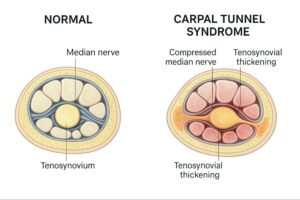
Carpal tunnel syndrome occurs when the median nerve becomes compressed as it passes through a narrow space in the wrist called the carpal tunnel.
The median nerve controls sensation in the thumb, index finger, middle finger, and part of the ring finger. When pressure builds within this area, the nerve cannot function normally, which leads to symptoms in the hand and wrist.
This compression is often caused by repetitive hand movements, inflammation, wrist injuries, or conditions that place extra pressure on the nerve.
Common Carpal Tunnel Syndrome Symptoms
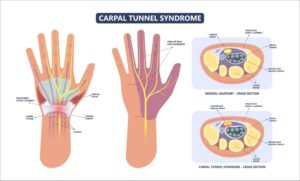
People experiencing carpal tunnel syndrome often notice symptoms that affect both sensation and strength in the hand.
Some of the most common signs include:
- Tingling or “pins and needles” in the fingers
- Numbness in the thumb, index, or middle fingers
- Pain or discomfort in the wrist
- Weakness in the hand
- Difficulty gripping objects
Many patients also notice that symptoms appear during activities such as typing, holding a phone, or gripping tools. Nighttime symptoms are also common, and some people wake up with numbness or tingling in their hands.
What Does Carpal Tunnel Feel Like Day-to-Day?
The sensations of carpal tunnel syndrome can vary depending on how severe the condition is. In early stages, people may experience occasional tingling or numbness that comes and goes. Symptoms may appear after repetitive activities and improve with rest.
As the condition progresses, the symptoms may become more persistent. Patients may experience burning pain in the wrist, weakness in the hand, or difficulty performing tasks requiring fine motor control.
In more advanced cases, individuals may notice that they frequently drop objects because of decreased strength or sensation in their fingers.
When to See a Doctor for Hand Numbness, Tingling, or Wrist Pain
Many people ignore early symptoms of carpal tunnel syndrome because they seem minor or temporary. However, persistent numbness, tingling, or weakness in the hand should not be ignored.
If the median nerve remains compressed for too long, it can lead to long-term nerve damage.
If symptoms begin interfering with sleep, work, or everyday tasks, it is important to consult a medical professional who specializes in hand and wrist conditions.
Carpal Tunnel Treatment Options
Treatment for carpal tunnel syndrome depends on the severity of the condition and how long symptoms have been present.
Some patients improve with conservative treatments such as wrist splinting, activity modification, and anti-inflammatory medications. For individuals with more advanced or persistent symptoms, surgical treatment may be recommended to relieve pressure on the median nerve.
At Alliance Orthopedics, Dr. Joseph Legato evaluates each patient individually and develops a treatment plan designed to restore hand function and reduce pain.
Why Early Treatment for Carpal Tunnel Syndrome Matters
Early diagnosis plays a critical role in preventing long-term complications from carpal tunnel syndrome.
When the condition is identified early, many patients can relieve symptoms and prevent further nerve damage with non-surgical treatments.
Waiting too long to address symptoms may allow the nerve compression to worsen, making treatment more complex.
When to See a Hand & Wrist Specialist at Alliance Orthopedics
If you are experiencing hand numbness, tingling, or wrist pain, it may be time to see a hand and wrist specialist. At Alliance Orthopedics, patients throughout New Jersey receive expert orthopedic care from specialists who understand the complexities of hand and wrist conditions.
Dr. Joseph Legato, board-certified orthopedic surgeon specializing in the hand, wrist, and elbow, works with patients to diagnose the cause of their symptoms and guide them toward effective treatment options.
Request an appointment today with Dr. Legato at any one of our orthopedic clinics in New Jersey to help improve your carpal tunnel symptoms!