
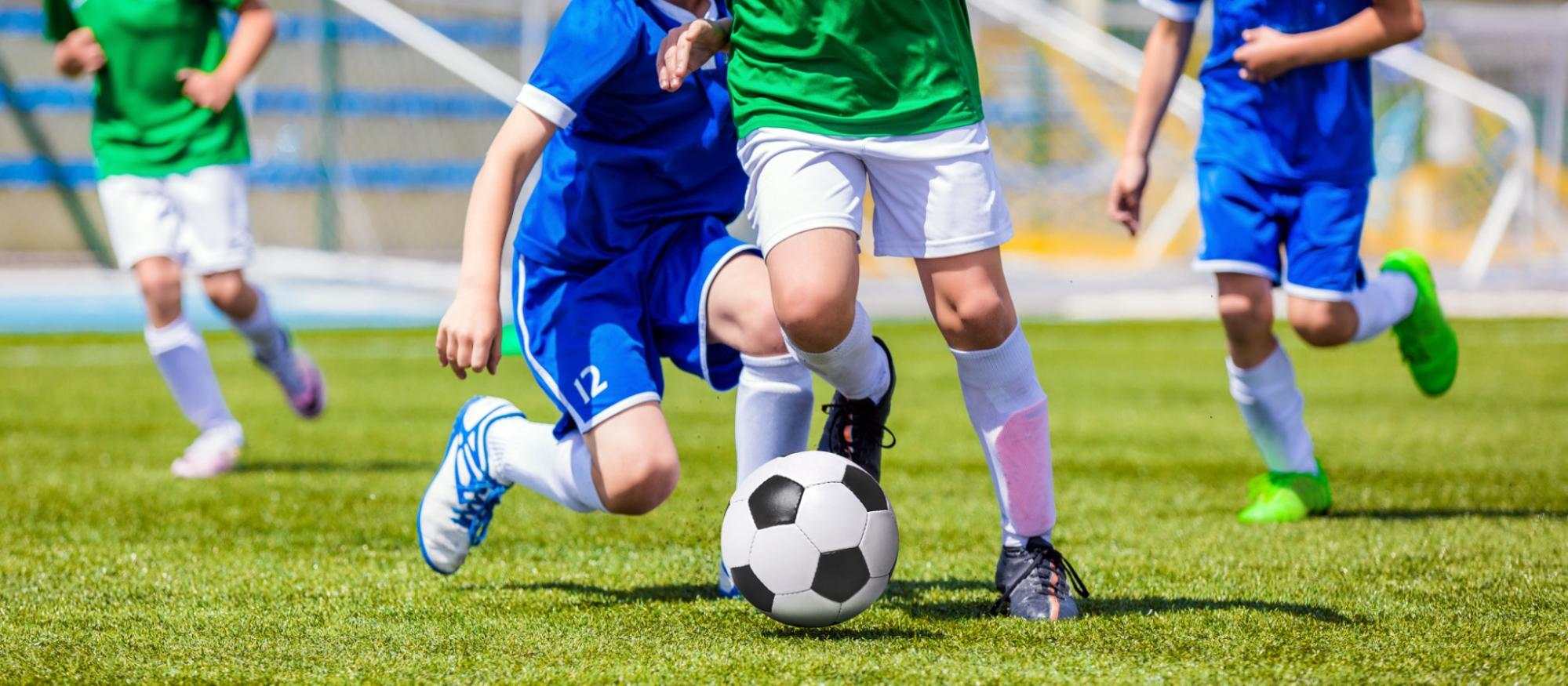
With the World Cup kicking off this coming June, soccer excitement is building across New Jersey and beyond. But for players pushing hard on the pitch, Achilles tendinitis is a common soccer injury that can sideline you fast. At Alliance Orthopedics, we help athletes spot early signs of various Achilles tendon injuries, including Achilles tendinitis, and get back to playing pain-free. Recognizing these warning signs early can help keep you in the game.
What is Achilles Tendinitis?
Achilles tendinitis (also called Achilles tendinopathy) occurs when your Achilles tendon, the strong band connecting your calf muscles to your heel bone, becomes irritated and inflamed from overuse. It often starts as mild discomfort but can worsen without proper rest. You might feel it after long practices, but ignoring it risks tears. It’s a common soccer injury that affects runners and jumpers most, as the tendon absorbs huge forces, up to 12 times your body weight per step.
Why Soccer Players Are at Higher Risk for Achilles Tendinitis
Soccer puts a lot of stress on your Achilles tendon, the strong band that connects your calf muscles to your heel. Every sprint down the field, quick cut to change direction, and explosive push-off to score a goal adds repeated strain to this area.
Playing on uneven grass or turf can make things worse, especially when your foot twists under pressure. If you’re jumping back into training for a league or trying to get in shape quickly, that sudden increase in activity can overload the tendon before your body is ready.
Tight calf muscles, limited stretching, and worn-out cleats can all add to the problem. It’s something we see often at Alliance Orthopedics, especially when more players ramp up their training during big moments like the FIFA World Cup.
5 Early Signs of Achilles Tendinitis in Soccer Players
Catching Achilles tendinitis early stops it from ruining your season, or even worse, your long-term soccer career. Recognizing these warning signs early helps you stay ahead of a more serious injury.
1. Mild Ache After Games
You finish a game or practice and notice a dull ache just above your heel or along the back of your lower leg. It’s not sharp enough to stop you, and it usually fades with rest, but then it comes back the next time you train.
A mild ache is often the first sign your tendon is being overworked. Those repeated sprints, cuts, and explosive movements add up, even if the discomfort feels minor at first.
2. Morning Stiffness
When you wake up, your ankle feels tight and stiff, especially when you take your first few steps or go down stairs. After moving around for a bit, it loosens up, but it never quite feels normal.
This morning stiffness is a sign your tendon didn’t fully recover from the previous day’s activity. For soccer players, that can quickly turn into a bigger issue if you keep pushing through training.
3. Pain During Push-Off
You start to feel pain when pushing off to sprint, jump, or change direction. It might show up during drills or when striking the ball, especially during quick, explosive movements.
This is a big red flag. Soccer relies heavily on that push-off power, and if your Achilles is already irritated, continuing to load it can make the injury worse fast.
4. Tenderness or Swelling Along the Tendon
If you press along your Achilles tendon and it feels sore or sensitive, especially after activity, that’s a sign of irritation. You might also notice slight swelling or a thickened feeling in the tendon.
This kind of localized discomfort means inflammation is building, and your body is starting to react to the stress you’re putting on it.
5. Creaking or Weakness in the Ankle
Some players notice a subtle creaking or crackling feeling when moving their ankle, especially during warm-ups or stretching. You might also feel weaker or less explosive when pushing off.
That combination of sensation and weakness is your body telling you something isn’t right. At this point, continuing to play without adjusting your training can lead to a more serious injury.
What Happens If You Ignore Early Achilles Pain?
Ignoring early Achilles pain is like playing with fire on the field, as you might get away with it for a game or two, but it often leads to bigger problems down the line. At first, that mild ache after sprints or stiffness in the morning might seem like just a “tough it out” moment, especially with World Cup hype pushing you a bit harder than normal. But without rest, the tendon keeps getting micro-tears from those explosive push-offs and cuts, turning irritation into full-blown inflammation. Over weeks, pain sharpens during play, making every step risky.
If you push through, Achilles tendinitis can progress to tendinosis, where the tendon thickens and weakens structurally, no more bounce, just chronic soreness that lingers even at rest. Swelling builds, and you might notice a creaking sensation or visible thickening behind your heel. Worst case? Partial tears or full rupture, often from one bad lunge or kick.
When Should a Soccer Player See an Orthopedic Specialist?
It’s easy to brush off pain and try to play through it, but if something doesn’t feel right, it’s worth paying attention. If your symptoms aren’t improving after a few days, or they keep coming back every time you train, that’s a sign your body needs more than just rest.
You should get checked out if you’re dealing with sharp pain, swelling that doesn’t go down, or difficulty walking, running, or pushing off. These are signs that the injury may be more than just a minor strain.
At Alliance Orthopedics, our team takes a full-body approach to your recovery. We use physical exams and imaging when needed to get a clear answer quickly, so you’re not guessing about what’s going on. Whenever possible, we start with non-surgical treatment to help you recover safely and get back on the field.
How Achilles Tendinitis is Treated
Treating Achilles tendinitis usually starts with simple steps that give your tendon a chance to calm down and heal. The first priority is reducing strain, which often means taking a break from high-impact activity like sprinting, cutting, and jumping. Icing the area and elevating your foot can help manage swelling and discomfort, especially early on.
From there, treatment focuses on rebuilding strength. Physical therapy plays a big role, starting with gentle stretching and progressing into strengthening exercises like eccentric heel drops, which help the tendon handle load more effectively. Supportive options like heel lifts, bracing, or better footwear can also reduce stress on the tendon while you recover.
If symptoms don’t improve, different non-surgical treatments may be recommended. These can include shockwave therapy to stimulate healing or other options to help reduce pain and inflammation. Surgery is rarely needed and is usually only considered if the tendon is severely damaged or hasn’t responded to other treatments.
With the right approach, most soccer players are able to recover fully and return to the field without long-term issues.
Tips to Prevent Achilles Tendonitis in Soccer
Stay ahead of Achilles tendinitis with smart, consistent habits that fit right into your soccer routine. Building these into your weekly training keeps your tendons strong and resilient, so you can sprint, cut, and push off without worry.
Warm Up Before You Play
It’s tempting to jump right into drills, but your body needs a few minutes to get ready. Start with light movement and dynamic stretches, such as leg swings or lunges. It helps loosen things up and makes those first sprints and cuts feel a lot smoother.
Build Strength in Your Calves
Your calves do a lot of the work when you run, jump, and push off. Keeping them strong helps take pressure off your Achilles. Simple exercises like heel drops go a long way, especially when you stay consistent with them a few times each week.
Wear Cleats That Actually Support You
Not all cleats feel the same, and worn-out ones can do more harm than you think. Look for something that feels supportive and stable, especially if you’re playing often. A good fit and better cushioning can help reduce unnecessary stress on your foot and tendon.
Watch Your Form
A lot of injuries come down to mechanics. Try to stay controlled when you sprint, land, or change direction. Overstriding or landing too hard can put extra strain on your Achilles, especially over time.
Keep Your Body Loose with Stretching
If your calves and ankles feel tight, your Achilles ends up taking more of the load. Taking a few minutes to stretch after playing or adding in something such as yoga can help keep everything moving the way it should.
Don’t Skip Recovery
This is where a lot of soccer players fall short. If you’re always going full speed without giving your body a break, it catches up to you. Foam rolling, staying hydrated, and taking a day or two off each week can make a big difference in how your body feels.
At Alliance Orthopedics, our sport medicine team helps soccer players across New Jersey stay ahead of injuries with simple, practical plans that fit into their routine. The goal is to keep you playing, not sitting on the sidelines.
Don’t Let Achilles Pain Sideline Your Season
Soccer season moves fast, and it’s frustrating to miss out because of something that started as a small ache. If your Achilles has been bothering you, it’s worth taking it seriously early. What feels minor now can turn into a longer recovery if you keep pushing through it.
Whether you’re gearing up for your own season or just feeling that extra motivation when the FIFA World Cup is on, the last thing you want is to be stuck on the sidelines. Getting it checked early can help you stay consistent, keep training, and play without second-guessing every step.
At Alliance Orthopedics, we focus on giving you clear answers and a plan that fits your routine. That might mean physical therapy, simple activity adjustments, or targeted treatments to help calm things down and rebuild strength.
Don’t wait for it to get worse. Request an appointment today at one of our orthopedic clinics in New Jersey and get a personalized plan to get back on the soccer field and get better every day.