
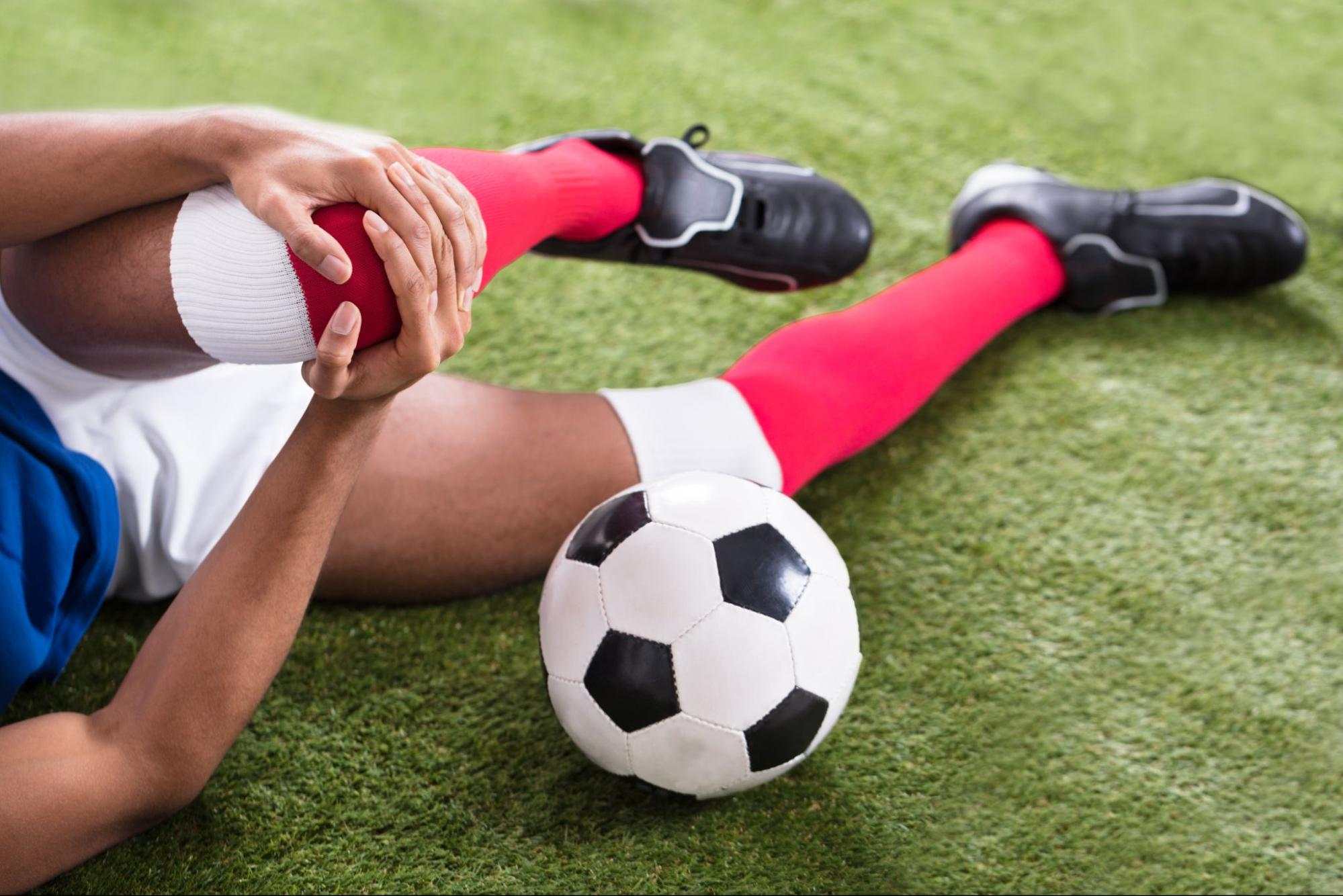
Soccer is one of the most physically demanding sports you can play. Whether you’re competing at a high level like the FIFA World Cup, playing in a weekend league, or just getting reps in at practice, your body is constantly under stress. You’re sprinting, cutting, jumping, stopping, and reacting all in a matter of seconds. One wrong step, awkward landing, or collision can sideline you faster than you expect.
The reality is that soccer injuries affect players at every level, from youth athletes just learning the game to high school and college players pushing performance limits, to adult league players trying to stay active. No one is completely immune.
Knowing how these injuries happen, what they feel like, and what to do when something feels off can make a huge difference. The sooner you recognize a problem, the faster you can recover and get back on the field doing what you enjoy.
Why Soccer Players Are Prone to Injuries
Soccer demands a unique mix of endurance, speed, agility, and physical contact. You’re not just running in a straight line; you’re constantly changing direction, accelerating, decelerating, and reacting to other players. That unpredictability is what makes the sport exciting, but it also puts a lot of strain on your body.
Injuries typically happen because of:
- Sudden movements like cutting, pivoting, or stopping quickly
- Explosive actions such as sprinting, jumping, or kicking
- Player contact, including tackles, collisions, or accidental impacts
- Overuse from repetitive training without enough recovery time
Even if you’re in great shape, these movements put repeated stress on your muscles, ligaments, and joints. At the highest levels, professional players are constantly sprinting, cutting, and reacting under pressure. That same intensity, even at a local level, is what makes soccer both exciting and physically demanding.
Over time, that stress adds up. Without the right recovery, strength training, and awareness, small issues can quickly turn into bigger injuries.
Most Common Soccer Injuries
Soccer’s fast pace and physical demands make certain injuries more common than others. Some happen suddenly, while others develop over time. Understanding both can help you stay ahead of them.
1. Ankle Sprains
Ankle sprains are one of the most common injuries in soccer. They usually happen when your foot rolls inward after landing from a jump, planting awkwardly, or stepping on another player’s foot. When this happens, the ligaments on the outside of your ankle stretch or tear.
You’ll feel pain right away, followed by swelling and difficulty putting weight on your foot. While mild sprains can improve with rest, more severe sprains may require bracing and physical therapy. The biggest mistake players make is returning too quickly without strengthening the ankle, which leads to repeated injuries.
2. Achilles Tendinitis
Achilles tendinitis is an overuse injury that develops gradually. You might notice stiffness or a dull ache in the back of your ankle, especially in the morning or when you first start moving during practice. It’s often caused by increasing training intensity too quickly, tight calf muscles, and worn-out cleats. If you ignore it, the tendon becomes more irritated and eventually becomes weak, making the injury worse.
3. Achilles Tendon Rupture
Unlike tendinitis, an Achilles rupture happens suddenly if you rush forward, sprint, or jump. You might feel or hear a pop and experience sharp pain in the back of your ankle. Many players describe it as feeling like someone kicked them from behind. You won’t be able to push off your foot or stand on your toes. Ruptures are a serious injury that requires immediate medical attention. Recovery can take several months and may involve surgery, followed by rehabilitation.
4. ACL Tears
ACL tears are one of the most feared injuries in soccer, and they often happen without any contact. You might plant your foot to change direction, your knee twists, and suddenly something feels off. Many players hear or feel a “pop,” followed by rapid swelling and a sense that the knee can’t support their weight. Most ACL tears require surgery and a long rehab process, often close to a year, to safely return to play. It’s a tough recovery, but taking it day by day is what gets you back on the field strong and stable.
5. MCL Tears
MCL tears usually happen from contact, such as a hit to the outside of your knee during a tackle. That force pushes your knee inward, stretching or tearing the ligament on the inside. You’ll feel pain along the inner part of your knee, often with swelling and stiffness that can make movement uncomfortable. The good news is that many MCL injuries heal without surgery, but may need a knee brace or physical therapy to heal.
6. Concussions
A concussion is a brain injury, and it can happen when you bump heads going for a header, hit the ground hard, or even take a ball to the face. You may experience a headache, feel dizzy or disoriented, or get bothered by bright lights. If you or a teammate takes a hit to the head and something feels off, speak up. Trying to tough it out is dangerous, so follow the return-to-play rules to the letter and let your brain heal.
7. Groin Strains
Groin strains affect the inner thigh muscles and are common in soccer because of quick direction changes, cutting, and powerful kicking. You’ll usually feel a sharp pain in your upper inner thigh, especially when bringing your legs together, sprinting, or changing direction. These injuries can stick around if you rush the recovery process.
8. Hamstring Strains
All that sprinting, accelerating, and stopping can put a lot of strain on your hamstrings. You might feel fine one second, then suddenly experience a sharp pull or pain in the back of your thigh that forces you to stop. If that happens, don’t try to push through it. Rest and ice are important early on, but recovery doesn’t stop there. You’ll need to gradually rebuild your strength and flexibility with the right exercises. Otherwise, you risk the injury coming back every time you try to reach top speed.
9. Shin Splints
During or after a game, if you notice dull, aching pain along the front of your lower leg, you may be dealing with shin splints. This often happens when you’ve ramped up your training too quickly or spent a lot of time playing on hard surfaces. It might seem minor at first, but it’s your body’s way of telling you to slow down. If you keep pushing through the pain, shin splints can progress into more serious injuries, like stress fractures, that take much longer to heal.
10. Turf Toe
Turf toe is a sprain of the big toe joint that typically happens when you push off forcefully or your toe bends too far backward. You’ll usually feel pain, stiffness, and swelling right at the base of your toe. It might not sound serious, but it can make running, cutting, and accelerating uncomfortable and limited. The best way to treat it is to give it time: rest, use taping for added support, and wear a stiff-soled shoe to limit movement until the pain and swelling settle down.
Signs You May Have a Soccer Injury
You know your body better than anyone. When you’re in the middle of a game or pushing through practice, it’s easy to brush off a tweak or minor ache. But recognizing the difference between normal soreness and something more serious can save you weeks, or even months, of recovery and keep you in the game.
Lingering Pain
Feeling sore after a tough game or workout is normal, and it should ease up within a day or two. But if you have pain that lingers for more than a few days, gets worse when you play, or starts showing up during everyday activities, that’s a sign something isn’t right.
Swelling
Some swelling right after an injury is expected. But if it doesn’t go down after a few days, or one side looks noticeably more swollen than the other, don’t ignore it. Persistent swelling, especially in joints like your knee or ankle, often means your body is trying to protect an underlying injury from further damage.
You Can’t Put Weight On It
If it hurts to stand, walk, or put pressure on your leg, stop right away. Trying to “push through” or limping around can throw off your movement and lead to other injuries. If your leg, ankle, or foot can’t support your weight normally, it’s time to get it checked out.
You Heard a Pop
A popping sound or sensation doesn’t always mean something serious, but if it’s followed by pain, swelling, or instability, it’s a red flag. This is especially true for knee and ankle injuries, where a pop can be a sign of a ligament tear or structural issue. It’s not something you fix by walking it off.
Feeling Loose or Unstable
If your knee feels like it might give out or your ankle feels like it could roll again, that instability matters. Joints should feel strong and supported. If they don’t, it could mean a ligament has been stretched or torn.
Limited Range of Motion
If you can’t move a joint like you normally would, whether it’s bending your ankle, straightening your leg, or kicking, something is restricting that movement. It could be swelling, tightness, or a more serious injury, and forcing it usually makes things worse.
Pain That Keeps You Up at Night
Pain that wakes you up or makes it hard to get comfortable is a huge sign that something more serious is going on. If your pain is affecting your sleep, it’s time to take it seriously.
Soccer is a physical, contact-heavy sport, so bumps and bruises are part of the game. But if any of these signs sound familiar, don’t ignore them. Taking the time to address an injury early can keep you from being stuck on the sidelines much longer than you need to be.
Tips to Help Prevent Soccer Injuries
No one steps on the field expecting to get hurt, but a little preparation goes a long way in keeping you playing. Even professional athletes competing in events such as the World Cup prioritize warm-ups, strength training, and recovery to stay on the field. You can’t prevent every injury, but you can lower your risk by building the right habits before, during, and after you play.
Warm Up
A good warm-up sets the tone for everything that follows. Instead of jumping straight into play, take a few minutes to get your blood flowing and your muscles ready. Focus on dynamic movements such as leg swings, lunges, high knees, and light jogging. Warming up helps improve flexibility, reaction time, and overall performance, while reducing your risk of pulling something early on.
Strength Training
Stronger muscles do a better job of protecting your joints. Adding a few days of strength training each week can make your body more resilient on the field. Focus on exercises like squats, lunges, and core work, and don’t overlook your hamstrings and glutes; they play a major role in sprinting, stability, and injury prevention.
Listen to Your Body
This might be the most important one. If something feels off, a lingering ache, a tight muscle, or a sharp pain, don’t ignore it. Your body is giving you early warning signs. Taking a step back, icing the area, or giving yourself a rest day can prevent a minor issue from turning into a serious injury that keeps you out for weeks.
Cool Down and Stretching
It’s easy to finish a game or practice and head straight home, but a quick cooldown can make a big difference. Light stretching after a game helps reduce stiffness and improve your flexibility. The better your body recovers, the less likely you are to deal with strains or tightness the next time you play.
Fuel and Hydration
What you put into your body matters. Dehydration and poor nutrition can lead to fatigue, and fatigue increases your risk of injury. Make sure you’re drinking enough water before, during, and after playing. Pair that with balanced meals that give your body the energy it needs to perform and recover.
Rest and Recovery
Your body doesn’t get stronger while you’re playing soccer; it gets stronger when you recover. If you’re training or playing every day without rest, you’re increasing your risk of overuse injuries. Build rest days into your routine and take them seriously. Giving your body time to recover helps you come back stronger.
Check Your Gear
Old cleats? Shin pads falling apart? Switch them out and get new ones if you can. Worn-out or poorly fitting gear can put you at risk. On turf, in particular, the wrong cleats can create too much grip and increase stress on your knees and ankles. Make sure your cleats provide the right support for the surface you’re playing on, and replace them when they start to wear down.
When to See an Orthopedic Specialist in New Jersey
You know your body, and you know when something doesn’t feel right. The big question is, when should you actually get it checked out?
If you’ve given an injury a week or two to calm down and it’s not improving, or it’s getting worse, that’s a clear sign it’s time to see an orthopedic specialist or sports medicine physician. The same goes if you’re dealing with ongoing swelling, limited movement, or pain that’s affecting how you walk, run, or play. If a joint feels unstable or like it might give out, don’t try to push through it.
At Alliance Orthopedics, we work with professional soccer players and athletes of all levels who want to get back to playing on the field. Request an appointment today, and let’s get you back on the turf.