

Lower back pain can sneak up on just about anyone. You could be sitting at a desk, lifting a box, or just bending over to tie your shoes, and suddenly, your back starts to ache. For millions of people, lower back pain is a common problem, but when you’re in the throes of discomfort, it can feel overwhelming and isolating. What actually helps? With so many suggestions out there, figuring out how to find real lower back pain relief isn’t always simple.
Let’s explore some practical ways to ease lower back pain, share some advice on stretches and lifestyle adjustments, and help you decide when it’s time to consult a spine specialist. Whether your pain is new or has been lingering, Alliance Orthopedics is dedicated to helping you understand the best options to get back to everyday life without constant lower back pain.
Why Lower Back Pain Happens in Everyday Life
Your lower back is responsible for supporting your upper body, maintaining posture, and allowing movement like bending, twisting, and lifting. Because it works so hard, even everyday activities can sometimes trigger pain. Sitting at a desk for long hours, lifting objects incorrectly, bending repeatedly, or sleeping in an awkward position can all strain the muscles, ligaments, and joints in your back. Over time, these small stresses can add up, leading to stiffness, soreness, or more persistent pain.
Common Causes of Lower Back Pain in Adults
Lower back pain doesn’t have a single cause; there are often multiple factors at play. Common contributors include:
- Muscle or ligament strains: Sudden movements or overuse can pull muscles or ligaments, causing pain.
- Poor posture: Slouching while sitting, standing, or using your phone can place extra stress on your spine.
- Degenerative changes: Conditions like arthritis or disc degeneration can wear down spinal structures over time.
- Pregnancy: Weight gain, hormone changes, and shifts in posture can put extra pressure on the lower back.
- Hormonal shifts: Menstrual cycles, menopause, and other hormonal changes can affect muscle and ligament tension, contributing to discomfort.
By understanding what’s contributing to your lower back pain, you and your healthcare team can choose treatments, such as stretches, strengthening exercises, lifestyle changes, or medical treatments, that target the main cause of the problem, not just the symptoms.
Simple First Steps to Ease Lower Back Pain
When lower back pain strikes, your first instinct might be to just wait for it to disappear on its own. Often, some simple steps can make a difference early on.
Rest & Gentle Activity
A short period of rest, one or two days, can help calm sharp, sudden pain. After that, gentle movement is important. Lying in bed for too long actually slows recovery and can contribute to stiffness, so try light walking or stretching instead.
Heat & Cold Therapy
Alternating between heat and cold packs is a tried-and-true way to soothe an aching back. Cold, like ice packs, helps reduce inflammation when pain first appears. Heat, such as a warm towel or heating pad, increases blood flow and relaxes tight muscles once initial swelling has subsided.
Over-the-Counter Medications
Non-steroidal anti-inflammatory drugs (NSAIDs) like ibuprofen or naproxen can reduce inflammation and dull pain, making daily motion easier while your body heals.
Stretches for Lower Back Pain
Incorporating short, daily stretching routines can also help reduce muscle tension, improve flexibility, and keep your lower back moving comfortably. Doing gentle stretches regularly also supports your recovery, prevents stiffness, and can even reduce the likelihood of future flare-ups. Here are some simple stretches you can try at home:
Child’s Pose
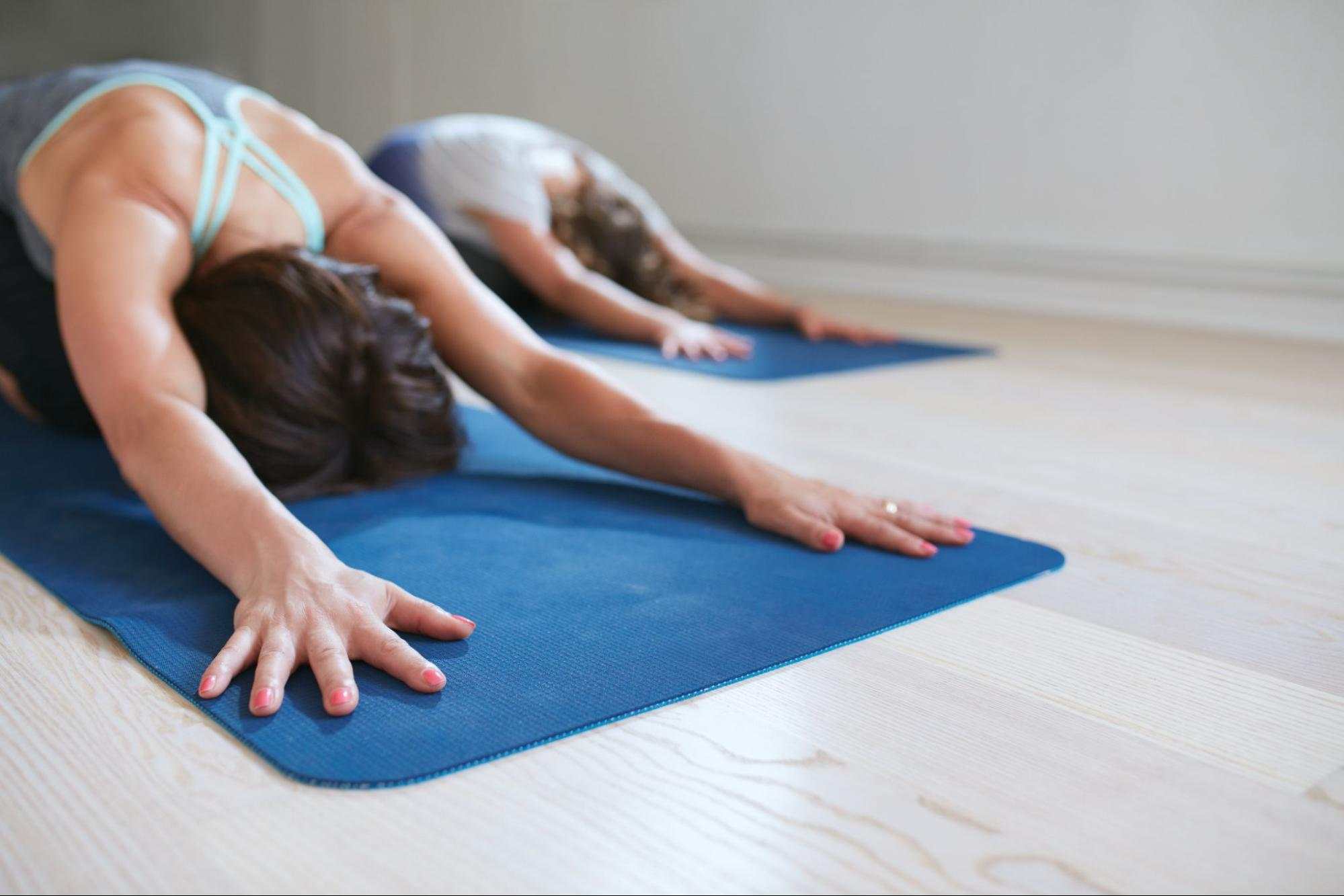
Kneel on the floor, sit back on your heels, and reach your arms forward along the floor. This stretch gently elongates your lower back muscles, helping relieve tension and encourage relaxation. Hold for 20–30 seconds, breathing deeply, and repeat 2–3 times.
Knee-to-Chest Stretch
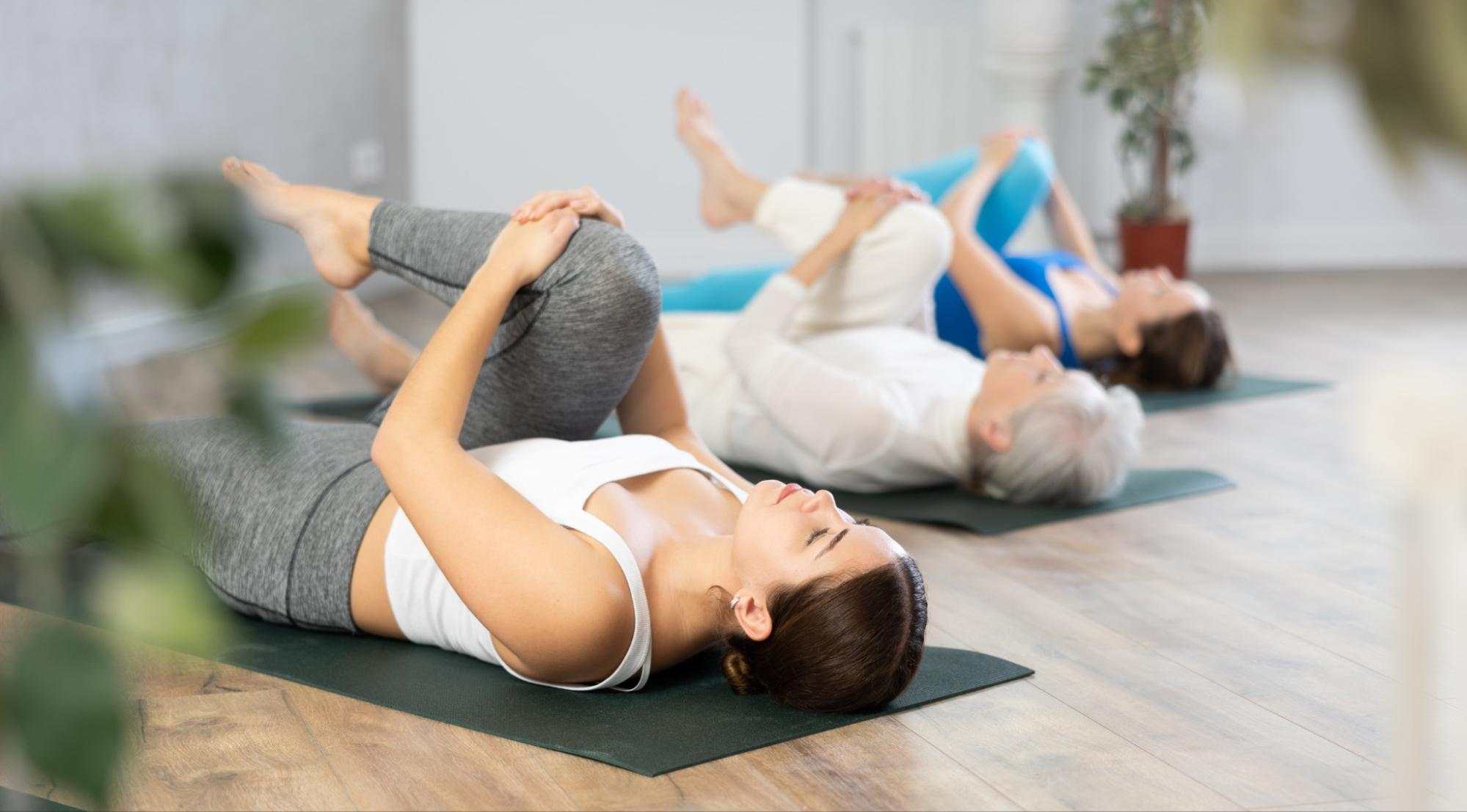
Lie on your back with your legs extended. Slowly pull one knee up toward your chest, keeping your other leg bent or straight on the floor. Hold for 20–30 seconds, then switch legs. This stretch helps loosen tight lower back muscles and can relieve pressure in the lumbar spine.
Cat-Cow Stretch
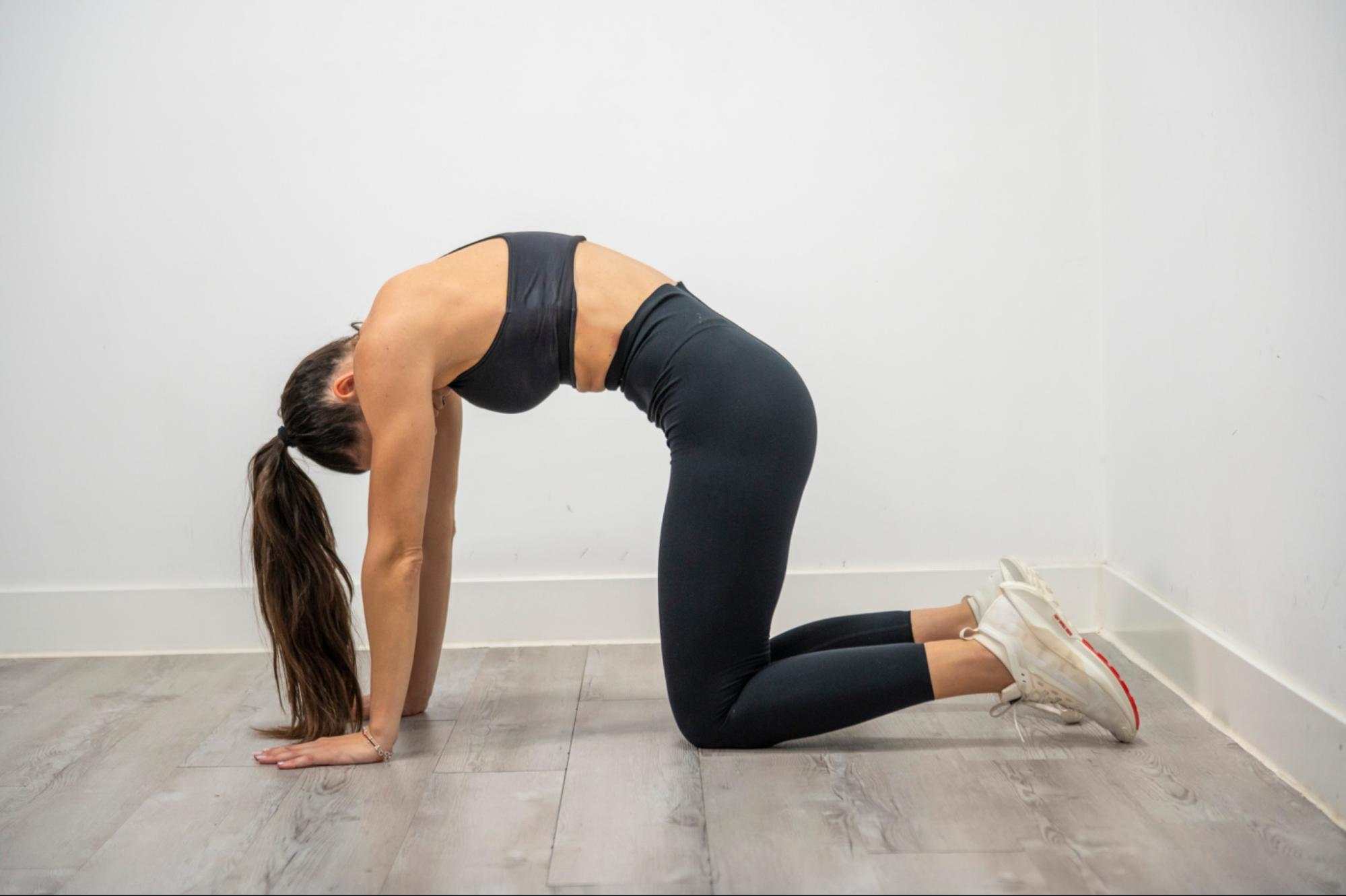
Position yourself on your hands and knees. Inhale as you arch your back downward (cow pose), lifting your head and tailbone gently. Exhale as you round your back upward (cat pose), tucking your chin and tailbone. Repeat 8–10 times, moving slowly and smoothly. This stretch promotes spinal flexibility and helps reduce stiffness in the back and neck.
Posture Tips That Make a Difference for Back Pain
Proper posture does much more than improve your appearance; it’s an important part of keeping your spine healthy and reducing back pain over time. When you slouch at your desk or lean forward to check your phone, you put extra stress on the structures in your lower back. Over months or years, these habits can lead to muscle imbalances, joint strain, and even nerve compression, making pain more likely and recovery slower.
By making small adjustments to how you sit, stand, and move, you can support your spine’s natural alignment, prevent unnecessary wear and tear, and help your back stay comfortable and strong. Here are a few ways to make positive changes in your posture:
- Sit with feet flat, knees at a right angle, and back supported.
- Stand up straight, avoid slouching or leaning forward.
- Adjust your chair, desk, and computer so you look straight ahead and don’t have to hunch for long periods.
Alternative Therapies That May Help Lower Back Pain
When lower back pain lingers despite conventional treatments, exploring alternative back pain treatments can provide additional relief and support healing. These approaches focus on easing muscle tension, reducing inflammation, and promoting overall well-being without the side effects some medications can bring.
Many patients find that combining traditional medical care with strategies like physical therapy, massage, or acupuncture creates a more balanced, effective path to comfort. Here are some commonly used non-surgical options that may help manage persistent lower back pain symptoms:
- Physical Therapy: A physical therapist creates a plan tailored to your needs, focusing on posture, movement, and lifestyle habits.
- Massage Therapy: Regular massages relax muscles, increase blood flow, and relieve tension in the lower back.
- Acupuncture: Thin needles at targeted pressure points may help reduce pain and improve mobility for some people.
- Chiropractic Care: Adjustments and manipulations can restore movement, reduce inflammation, and promote healing in spinal joints.
- Aquatic Therapy: Gentle exercise in warm water supports joints and muscles, allowing for movement without stress or pain.
Lifestyle Changes for Lower Back Pain Relief
Finding relief from lower back pain isn’t just about treating symptoms in the moment; it’s also about making changes that help prevent pain from coming back. Simple, consistent lifestyle habits can also make a big difference in how your back feels day-to-day and over the long term.
- Eat a balanced, nutrient-rich diet: Foods that support bone and muscle health, like fruits, vegetables, lean proteins, and calcium- or vitamin D-rich foods, can help keep your spine strong and your muscles functioning well. Maintaining a healthy weight also reduces stress on your back.
- Quit smoking: Smoking not only slows healing but can also increase the risk of chronic back pain. Quitting supports your overall health and helps your body recover more effectively.
- Manage stress: Stress can make muscles tense and worsen pain. Incorporating relaxation techniques, such as deep breathing exercises, meditation, yoga, or hobbies you enjoy, can help your back feel better and prevent flare-ups.
- Stay active: Regular low-impact exercise, such as walking, swimming, or gentle stretching, keeps your muscles strong, improves flexibility, and supports a healthy spine.
- Sleep and posture habits: Using a supportive mattress and sleeping in positions that protect your spine can help your back recover while you rest. Pairing this with good posture during the day reduces strain and keeps discomfort from building up.
When Should You See a Spine Specialist?
While mild episodes of lower back pain often improve with care at home, some symptoms mean it’s time to reach out for help:
- Pain lasting more than a few weeks or steadily getting worse
- Pain that radiates down your leg, accompanied by tingling, numbness, or weakness
- Loss of bladder or bowel control
- Difficulty standing, walking, or doing everyday activities
- Recent injury, trauma, or accident involving your back
One of our spine specialists can help figure out what’s really going on, whether it’s related to your bones, muscles, or nerves. By getting an early evaluation, you give yourself the best chance for faster pain relief.
When Spine Surgery Might Be Necessary
Most lower back pain can be managed with non-surgical treatments like physical therapy, medications, lifestyle adjustments, and targeted injections. Surgery is usually a last resort, reserved for situations where these conservative approaches haven’t provided enough relief, and pain is severe or interfering with your life. Your doctor may consider surgery if your discomfort is linked to structural issues in the spine or nerve compression that isn’t improving over time. Common procedures include:
- Microdiscectomy: Often used for herniated discs that press on nerves, this procedure removes the portion of the disc causing pain, helping relieve leg or back pain and restore mobility.
- Laminectomy or Spinal Fusion: These surgeries address more advanced back problems, such as severe degeneration, spinal instability, or significant nerve compression. A laminectomy relieves pressure on the spinal cord or nerves, while spinal fusion stabilizes the spine to prevent further damage and reduce pain.
Your spine specialist will carefully evaluate your condition, review all non-surgical options, and help you understand what to expect from surgery, recovery, and long-term outcomes. The goal is always to relieve back pain, improve function, and help you get back to the activities you enjoy without constant pain.
Guiding You Back to a Pain-Free Life
At Alliance Orthopedics, our spine care team understands the challenges of lower back pain and offers solutions that fit your lifestyle and needs. We start with a detailed evaluation to pinpoint the cause, using advanced imaging and a thorough physical exam. From exercise regimens and physical therapy to pain management, chiropractic care, or surgical procedures when needed, our spine surgeons create personalized plans that treat your symptoms and relieve lower back pain.
You’ll receive caring support every step, with expert guidance on how to stretch, move, and adjust daily habits for optimal lower back pain relief. If your pain is stubborn, unexplained, or affecting your daily life, don’t wait; request an appointment and let Alliance Orthopedics help you reclaim comfort, movement, and quality of life.