
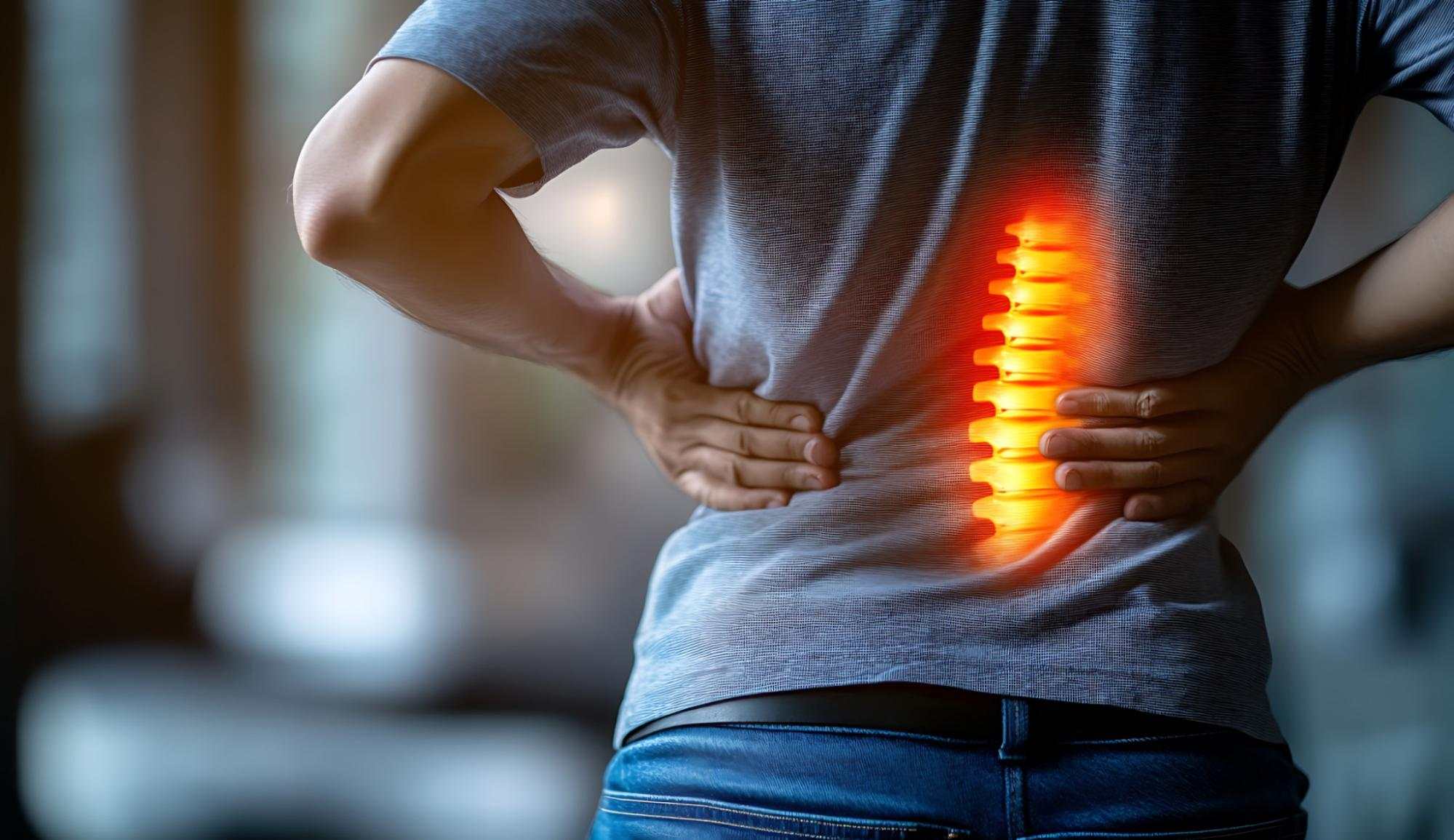
Do you ever feel tingling, numbness, or weakness in your legs or lower back? These could be signs of spinal stenosis, a condition where the spaces in your spine gradually narrow and put pressure on your nerves. It often develops slowly, so it can sneak up on you, and left untreated, it can make everyday activities like walking, standing, or even sleeping difficult. Knowing the most serious symptoms early can make all the difference, helping you get the right care, prevent long-term nerve damage, and stay active and pain-free.
1. Persistent and Severe Lower Back Pain
Many people first notice a persistent aching or sharp pain in their lower back. This pain is often worse when standing or walking for long periods and may improve when sitting or bending forward. Stiffness and decreased flexibility in the lower back also commonly occur, limiting your ability to bend or twist comfortably. Unlike ordinary muscle strains, this pain tends to be ongoing and intensifies as spinal stenosis progresses. It can disrupt daily activities, making even simple motions painful and difficult.
2. Pain That Radiates Into the Legs (Sciatica)
Spinal stenosis often causes radiating pain that travels from the lower back through the buttocks and down one or both legs. Known as sciatica, this pain can be sharp, burning, or shooting in character and significantly impair walking or standing. It results from nerve roots being compressed as they exit the spine. Many individuals find the leg pain more troubling than the back pain itself, as it can shoot down to the feet and toes, affecting sensation and muscle control.
3. Numbness, Tingling, and Muscle Weakness
Compression of spinal nerves also leads to abnormal sensations such as numbness, tingling, or a pins-and-needles feeling in the legs or feet. These symptoms indicate that the nerves are under pressure and deserve immediate attention. In advanced cases, muscle weakness develops, including difficulty lifting the foot (“foot drop”), problems with toe movement, and a general feeling of weakness in the lower limbs. These symptoms increase your risk of falls and injuries.
4. Difficulty Walking and Maintaining Balance
As spinal stenosis worsens, walking becomes a challenge. Many people find they can only walk a short distance before the pain or heaviness in their legs forces them to stop and rest. Balance problems often accompany this weakness, causing unsteadiness or frequent falls. This is especially true when the spinal cord itself is compressed, not just the nerve roots. Difficulty with coordination and walking is a serious sign that immediate medical evaluation is needed.
5. Loss of Bowel or Bladder Control
One of the most severe symptoms of spinal stenosis is loss of control over bladder or bowel function. This condition, called cauda equina syndrome, is caused by compression of nerves that control these functions. It often presents with urinary retention, incontinence, or constipation and can lead to permanent disability if not treated urgently. If you or someone you know experiences loss of bladder or bowel control along with back pain, seek emergency medical care immediately.
When to See a Spine Doctor
Most people experience mild back discomfort at some point in their lives, which often improves with rest and home care. However, it’s important to recognize when your symptoms might be signaling a more serious issue that requires professional help. Ignoring persistent or worsening back problems can lead to avoidable complications and prolonged pain. Knowing when to see a spine specialist can help you take timely action and receive the targeted care you need.
Consider scheduling a consultation with a spine surgeon if you notice any of the following warning signs:
- Persistent or worsening pain in your back, neck, arms, or legs lasting more than a few weeks despite self-care
- Numbness, tingling, or weakness in your extremities, which may affect your mobility or dexterity
- Difficulty walking, maintaining balance, or performing everyday activities
- Loss of bladder or bowel control, or changes in bladder function
- Severe, unrelenting pain that interferes with sleep or daily functioning
- Pain following an injury or trauma, such as a fall or car accident
- Unexplained weight loss, fever, or night sweats that accompany your back pain
These symptoms suggest nerve involvement or spinal cord compression and warrant a thorough examination. A spine specialist will use detailed medical history, physical exams, and advanced imaging to identify the underlying cause and develop a personalized treatment plan aimed at relieving pain and improving function.
Treatment Options for Spinal Stenosis
Living with spinal stenosis can make even simple activities, such as walking, standing, or sitting, feel uncomfortable. The good news is there are treatments that can help relieve pressure on your nerves, reduce pain, and improve your daily life. Depending on your symptoms and how severe they are, treatment may start with non-surgical options like physical therapy, medications, or lifestyle changes. In some cases, surgery may be needed to restore function and ease your uncomfortable symptoms. Knowing your options can help you take the right steps toward feeling better and staying active.
Non-Surgical Treatments
Many people find relief without surgery. These treatments are designed to reduce pain, improve mobility, and help you stay active:
- Physical Therapy: Gentle exercises strengthen your back and core muscles, improve flexibility, and help relieve pressure on your nerves.
- Medications: Pain relievers or anti-inflammatory medicines can make daily tasks easier while your body heals.
- Epidural Steroid Injections: These injections reduce swelling and inflammation around nerves, providing relief that can help you get more out of therapy.
- Lifestyle Changes: Simple adjustments, such as improving posture, modifying your workspace, or learning safe lifting techniques, can protect your spine and reduce discomfort.
Surgical Treatments
If your symptoms are severe or haven’t improved with non-surgical care, surgery may be recommended to relieve nerve pressure, improve function, and help you return to your daily activities.
- Minimally Invasive Decompression Surgery: Removes bone or tissue pressing on nerves, often with faster recovery and less disruption to surrounding tissues.
- Laminectomy: Opens up the spinal canal or nerve passages to reduce pressure and improve movement.
- Spinal Fusion: Stabilizes the spine when stenosis has caused instability, helping reduce pain and prevent further problems.
Living Well With Spinal Stenosis
If spinal stenosis is making daily activities harder, Alliance Orthopedics is here to help. Our team works with you to understand your symptoms and develop a treatment plan, whether through physical therapy, injections, or surgery. We’re your trusted partner for expert spine care. Request an appointment today and take the first step toward back pain relief.